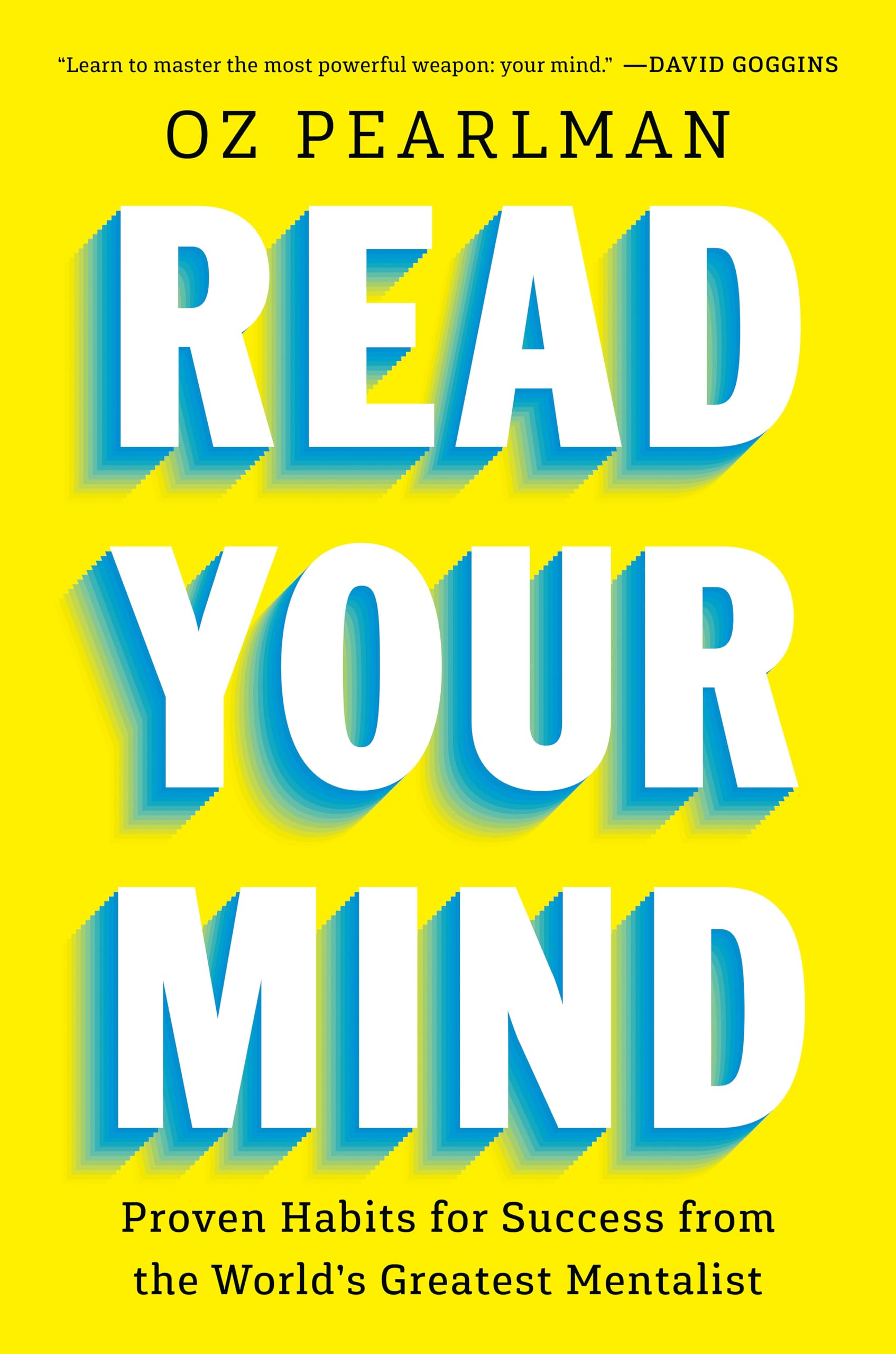
Book cover of Read Your Mind

Read Your Mind Summary

Meditation & Health

By Oz Pearlman

Viking · October 28, 2025

Summary

'Read Your Mind' by Oz Pearlman is an enthralling exploration of the captivating art of mind-reading. Oz Pearlman, a well-known figure in the field of mentalism, takes readers on an unforgettable journey into the mysterious world of thoughts and perceptions. In this book, Pearlman reveals the secrets behind his mind-reading feats, sharing his years of experience and expertise. Through engaging stories and practical demonstrations, he shows how he can seemingly access the innermost thoughts of others. It's not just about the tricks; it's about understanding human behavior, body language, and the power of suggestion. Whether you're a fan of magic, psychology, or simply curious about the unknown, this book offers a wealth of knowledge and entertainment. Pearlman's writing style is accessible and engaging, making it easy for readers of all backgrounds to follow along. As you turn the pages, you'll find yourself constantly amazed by the possibilities that the art of mind-reading presents. It's a book that will leave you questioning what you thought you knew about the human mind.

About the Author

Oz Pearlman is a renowned mentalist and author. He delves into the realm of mind-reading and psychological phenomena in his works. His writing style in "Read Your Mind" is engaging and full of intriguing insights.

Chapters

1

Introduction to Mind Reading

Mind reading is a captivating concept that has intrigued humanity for ages. In "Read Your Mind" by Oz Pearlman, we embark on a journey to understand the art and science behind it. This book is not just about parlor tricks but delves into the real-world applications of understanding human thoughts and behaviors.Mind reading can be used in various aspects of life, from improving communication in personal relationships to enhancing business negotiations. It helps us to anticipate the actions and reactions of others, giving us an edge in different situations. By learning the techniques in this book, we can become more perceptive and better at interacting with those around us.The ability to read minds is not a supernatural power but rather a skill that can be developed through observation, analysis, and understanding of human nature. This book provides a step-by-step guide to mastering these skills, making it accessible to anyone interested in the topic.

2

Understanding Human Behavior

To read minds, we first need to understand human behavior. People's actions, gestures, and facial expressions are all clues that can reveal what they are thinking and feeling. For example, a person who crosses their arms might be feeling defensive or closed-off. A smile can indicate happiness, but it can also be a mask to hide other emotions.We also need to pay attention to the context in which these behaviors occur. A person might be fidgeting because they are nervous about a job interview or because they are simply bored. By considering the situation, we can make more accurate interpretations of their behavior.Another important aspect is body language. Posture, eye contact, and hand movements can all convey a wealth of information. For instance, maintaining eye contact shows confidence and interest, while avoiding it might suggest shyness or dishonesty. By studying these non-verbal cues, we can gain a deeper understanding of what others are thinking.

3

The Power of Observation

Observation is the key to mind reading. We need to be constantly aware of our surroundings and the people in them. This means not just looking at someone but really observing their every move. We should notice the small details, like the way they hold their coffee cup or the expression on their face when they hear a certain word.Observation also involves listening. Paying attention to what people say, how they say it, and the tone of their voice can provide valuable insights. For example, a change in tone might indicate that a person is being sarcastic or that they are hiding something.To improve our observation skills, we can practice in different settings. We can go to a coffee shop and observe the interactions between customers and baristas. We can also watch people on the street and try to guess what they are thinking or where they are going. By doing this regularly, we can become more attuned to the subtleties of human behavior.

4

Analyzing Verbal Cues

Verbal cues are another important aspect of mind reading. The words people use, the way they structure their sentences, and the emphasis they place on certain words can all tell us a lot about their thoughts and feelings.For example, if someone uses a lot of negative words, they might be in a bad mood or have a pessimistic outlook. On the other hand, positive language can indicate a more optimistic attitude. We also need to pay attention to the way people answer questions. A long, rambling answer might suggest that they are trying to avoid something, while a short, direct answer could mean they are confident and sure of themselves.Another important verbal cue is the use of filler words like "um," "ah," or "like." These can indicate that a person is thinking or trying to find the right words. They can also be a sign of nervousness. By analyzing these verbal cues, we can get a better understanding of what someone is really thinking.

5

Emotional Intelligence and Mind Reading

Emotional intelligence plays a crucial role in mind reading. It involves being able to recognize and understand our own emotions as well as the emotions of others. When we have high emotional intelligence, we can better empathize with others and understand their perspectives.For example, if we can sense that someone is feeling sad, we can respond in a more compassionate way. We can offer support and comfort, which can strengthen our relationships. Emotional intelligence also helps us to control our own emotions, which is important when trying to read minds. If we are overly emotional, we might misinterpret the signals from others.To develop emotional intelligence, we can practice self-awareness. We can reflect on our own emotions and try to understand why we feel the way we do. We can also practice empathy by putting ourselves in other people's shoes and trying to understand their feelings. By doing this, we can become more attuned to the emotions of others and improve our mind-reading skills.

5 more chapters available

Continue listening in the Spickor app — free download on the App Store.

Listen in App

Why Spickor?

At Spickor, we believe knowledge should have no paywalls. Every book summary can be unlocked for free by watching a short ad — or you can choose an ad-free subscription. Unlike other apps, there's no "1 book per day" free limit. Learn at your own pace, on your own terms.

FeatureSpickorBlinkistHeadway
Free accessAll books free via ad unlock1 book/day only1 book/day only
Book library2,200+ across 8 categories9,000+ (non-fiction only)2,000+ (personal growth focus)
Paid subscriptionNo forced subscription; ad-supportedRequired; from $99.99/yrRequired; from $89.99/yr
Audio for all summariesYesPremium onlyPremium only
Novels & fictionYesNoNo
PlatformsiOS (Android & Web in dev)iOS / Android / WebiOS / Android only

All Books, Truly Free

Unlock any book with a short ad. No daily limits, no hidden fees.

Listen for Free

Every summary includes high-quality audio. No "premium only" labels.

Beyond Self-Help

8 categories including business, technology, and novels.

Listen in App
9 m 23 s