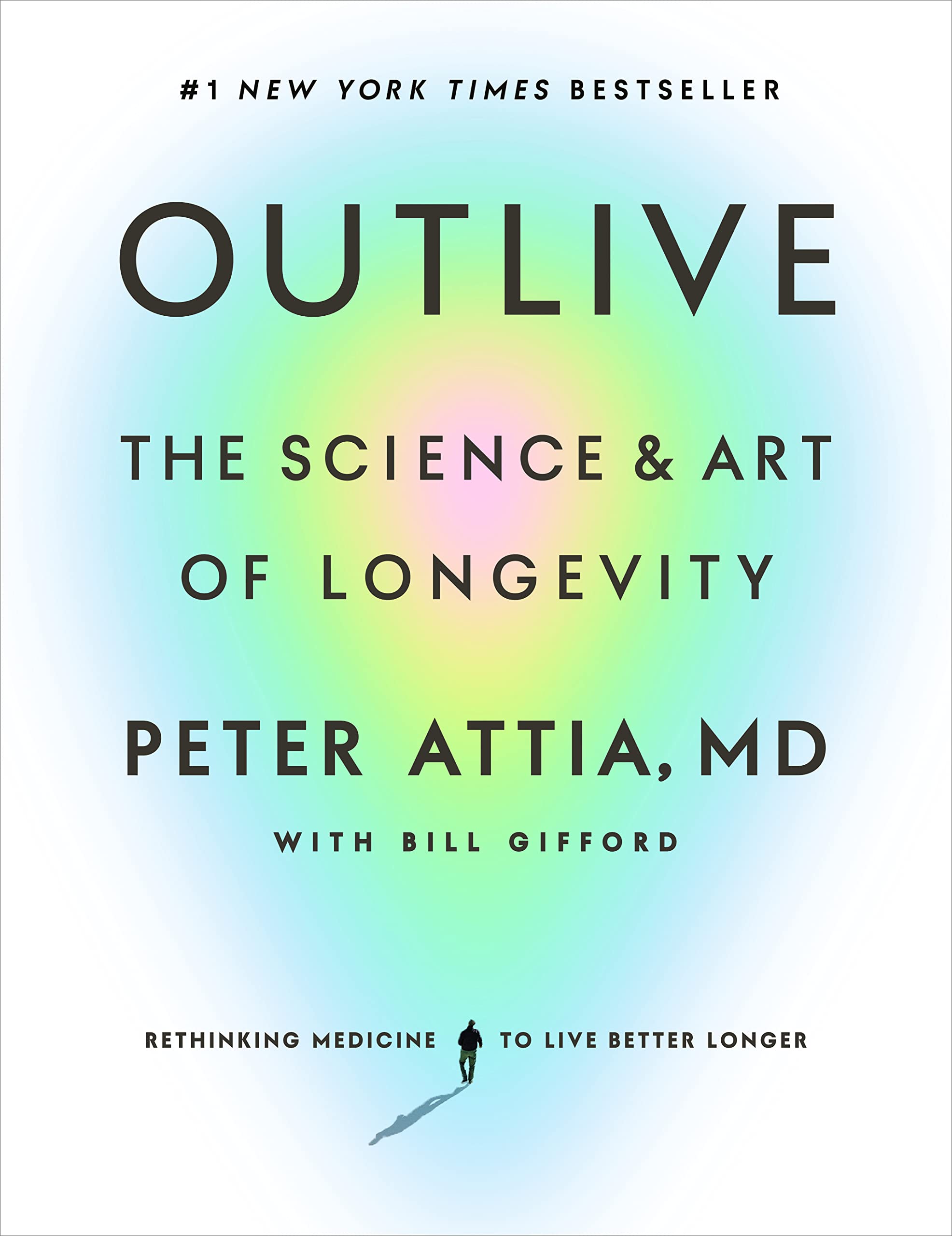
Book cover of What Happened to You?

What Happened to You? Summary

Meditation & Health

By Bruce D. Perry

Flatiron Books · April 27, 2021

Summary

What Happened to You? is a groundbreaking book co-written by media icon Oprah Winfrey and renowned psychiatrist Bruce D. Perry. In this powerful work, they challenge the traditional way of looking at human behavior and mental health. Instead of simply diagnosing and treating symptoms, they encourage us to dig deeper and understand the experiences that have shaped us. The authors draw on real-life stories and scientific research to illustrate how past traumas can have a lasting impact on our present lives. By asking the question 'What happened to you?', they open up a path for empathy, self-discovery, and healing. This book is not just about understanding trauma but also about learning how to move forward and build a more resilient self. It provides practical insights and tools that can be applied in daily life, making it a valuable resource for anyone on a journey of self-improvement. Whether you're dealing with your own past or trying to understand others better, What Happened to You? offers a fresh and compassionate approach.

About the Author

Bruce D. Perry, M.D., Ph.D. is the Senior Fellow of The ChildTrauma Academy, a not-for-profit organization based in Houston (www.ChildTrauma.org) and adjunct Professor in the Department of Psychiatry and Behavioral Sciences at Northwestern University School of Medicine in Chicago. Dr. Perry is the author, with Maia Szalavitz, of The Boy Who Was Raised As A Dog, a bestselling book based on his work with maltreated children and Born For Love: Why Empathy is Essential and Endangered. Over the last thirty years, Dr. Perry has been an active teacher, clinician and researcher in children’s mental health and the neurosciences holding a variety of academic positions. Dr. Perry was on the faculty of the Departments of Pharmacology and Psychiatry at the University Of Chicago School Of Medicine from 1988 to 1991. From 1992 to 2001, Dr. Perry served as the Trammell Research Professor of Child Psychiatry at Baylor College of Medicine in Houston, Texas. During this time, Dr. Perry also was Chief of Psychiatry for Texas Children's Hospital and Vice-Chairman for Research within the Department of Psychiatry. From 2001 to 2003, Dr. Perry served as the Medical Director for Provincial Programs in Children's Mental Health for the Alberta Mental Health Board. He continues to serve as a Senior Consultant to the Ministry of Children’s Services in Alberta, Canada. Dr. Perry has conducted both basic neuroscience and clinical research. His neuroscience research has examined the effects of prenatal drug exposure on brain development, the neurobiology of human neuropsychiatric disorders, the neurophysiology of traumatic life events and basic mechanisms related to the development of neurotransmitter receptors in the brain. His clinical research and practice has focused on high-risk children-examining long-term cognitive, behavioral, emotional, social, and physiological effects of neglect and trauma in children, adolescents and adults. This work has been instrumental in describing how childhood experiences, including neglect and traumatic stress, change the biology of the brain – and, thereby, the health of the child. His clinical research over the last ten years has been focused on integrating concepts of developmental neuroscience and child development into clinical practices. This work has resulted in the development of innovative clinical practices and programs working with maltreated and traumatized children, most prominently the Neurosequential Model of Therapeutics (NMT). The ChildTrauma Academy has multiple partners in various sectors of the community and has created many programs in context of public-private partnerships with the goal of promoting positive change within the primary institutions that work with high risk children such as child protective services, mental health, public education and juvenile justice. His experience as a clinician and a researcher with traumatized children has led many community and governmental agencies to consult Dr. Perry following high-profile incidents involving traumatized children such as the Branch Davidian siege in Waco, the Oklahoma City bombing, the Columbine school shootings, the September 11th terrorist attacks, Katrina hurricane, the FLDS polygamist sect and many others. Dr. Perry is the author of over 300 journal articles, book chapters and scientific proceedings and is the recipient of numerous professional awards and honors, including the T. Berry Brazelton Infant Mental Health Advocacy Award, the Award for Leadership in Public Child Welfare and the Alberta Centennial Medal. He has presented about child maltreatment, children's mental health, neurodevelopment and youth violence in a variety of venues including policy-making bodies such as the White House Summit on Violence, the California Assembly and U.S. House Committee on Education. Dr. Perry has been featured in a wide range of media including National Public Radio, The Today Show, Good Morning America, Nightline, CNN, MSNBC, NBC, ABC and CBS News and the Oprah Winfrey Show. His work has been featured in documentaries produced by Dateline NBC, 20/20, the BBC, Nightline, CBC, PBS, as well as dozen international documentaries. Many print media have highlighted the clinical and research activities of Dr. Perry including a Pulitzer-prize winning series in the Chicago Tribune, US News and World Report, Time, Newsweek, Forbes ASAP, Washington Post, the New York Times and Rolling Stone. Dr. Perry, a native of Bismarck, North Dakota, was an undergraduate at Stanford University and Amherst College. He attended medical and graduate school at Northwestern University, receiving both M.D. and Ph.D. degrees. Dr. Perry completed a residency in general psychiatry at Yale University School of Medicine and a fellowship in Child and Adolescent Psychiatry at The University of Chicago.
Chapters

1

Introduction: The Power of Understanding "What Happened to You?"

In "What Happened to You? Conversations on Trauma, Resilience, and Healing," Oprah Winfrey and Bruce D. Perry explore the profound impact of early life experiences on an individual's well-being. They shift the focus from "What's wrong with you?" to "What happened to you?" This approach recognizes that our past traumas are often the root cause of many of our present-day struggles. Understanding these traumas is the first step towards healing and personal growth.

2

The Nature of Trauma

Trauma is not just a single event; it can be a series of experiences that overwhelm a person's ability to cope. It can be physical, emotional, or psychological. For example, childhood abuse, neglect, or witnessing violence are all forms of trauma. These experiences can disrupt the normal development of the brain, especially in the areas related to emotional regulation, memory, and social skills. The body's stress response system can become dysregulated, leading to long-term problems such as anxiety, depression, and even physical health issues.

3

How Trauma Affects the Brain

The brain is highly plastic, especially in early childhood. Trauma can rewire the brain in ways that are not always beneficial. The amygdala, which is responsible for processing emotions, can become overactive, making a person more prone to fear and anxiety. The prefrontal cortex, which is involved in decision-making and impulse control, may be underdeveloped. This can lead to difficulties in regulating emotions, making good choices, and forming healthy relationships. For instance, a child who has experienced trauma may have trouble concentrating in school or may be overly aggressive with peers.

4

Trauma in Different Life Stages

Trauma can occur at any age, but its impact varies depending on the stage of development. In infancy, trauma can disrupt the attachment bond between a child and their caregiver, which is crucial for healthy emotional and social development. In childhood, trauma can interfere with learning and socialization. Adolescents who experience trauma may engage in risky behaviors as a way to cope. Adults who have a history of trauma may struggle with maintaining stable relationships, employment, and overall well-being.

5

The Role of Resilience

Resilience is the ability to bounce back from adversity. It is not something that a person either has or doesn't have; it can be developed and strengthened. Factors that contribute to resilience include having a supportive social network, positive coping strategies, and a sense of purpose. For example, a person who has experienced trauma may find that having a close friend or family member to talk to helps them process their emotions and move forward. Engaging in activities such as exercise, art, or meditation can also build resilience.

5 more chapters available

Continue listening in the Spickor app — free download on the App Store.

Listen in App

Why Spickor?

At Spickor, we believe knowledge should have no paywalls. Every book summary can be unlocked for free by watching a short ad — or you can choose an ad-free subscription. Unlike other apps, there's no "1 book per day" free limit. Learn at your own pace, on your own terms.

FeatureSpickorBlinkistHeadway
Free accessAll books free via ad unlock1 book/day only1 book/day only
Book library2,200+ across 8 categories9,000+ (non-fiction only)2,000+ (personal growth focus)
Paid subscriptionNo forced subscription; ad-supportedRequired; from $99.99/yrRequired; from $89.99/yr
Audio for all summariesYesPremium onlyPremium only
Novels & fictionYesNoNo
PlatformsiOS (Android & Web in dev)iOS / Android / WebiOS / Android only

All Books, Truly Free

Unlock any book with a short ad. No daily limits, no hidden fees.

Listen for Free

Every summary includes high-quality audio. No "premium only" labels.

Beyond Self-Help

8 categories including business, technology, and novels.

Listen in App
5 m 49 s