Introduction to Financial Mindsets
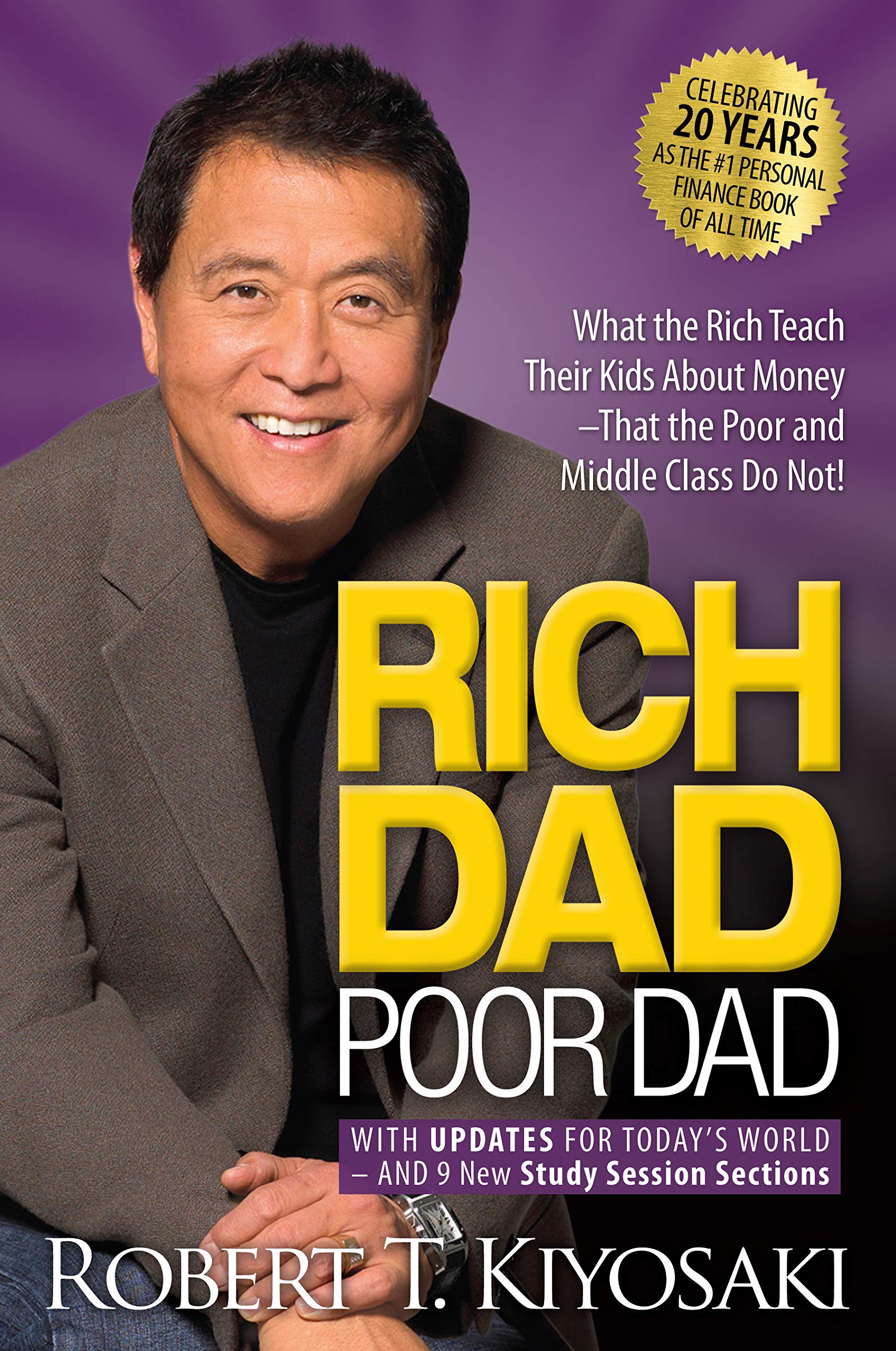
In "Rich Dad Poor Dad," the author, Robert T. Kiyosaki, shares his unique perspective on financial education through the contrasting teachings of his two fathers: his biological father, referred to as the "poor dad," and his best friend's father, the "rich dad." The poor dad was highly educated with a stable job but struggled financially, while the rich dad, though not formally educated, became a successful entrepreneur and investor. This contrast sets the stage for understanding different financial mindsets.The poor dad believed in the traditional path of getting a good education, finding a secure job, and relying on a steady paycheck. He was risk-averse and thought that working hard for money was the key to success. On the other hand, the rich dad had a different view. He emphasized the importance of financial intelligence, which includes understanding money, investing, and creating assets. He taught that instead of working for money, one should make money work for them.This difference in mindset is crucial as it shapes how people approach their finances. Those with a poor-dad mindset often end up in a cycle of working to pay bills, with little left for savings or investment. In contrast, a rich-dad mindset focuses on building assets that generate passive income, allowing for financial freedom.