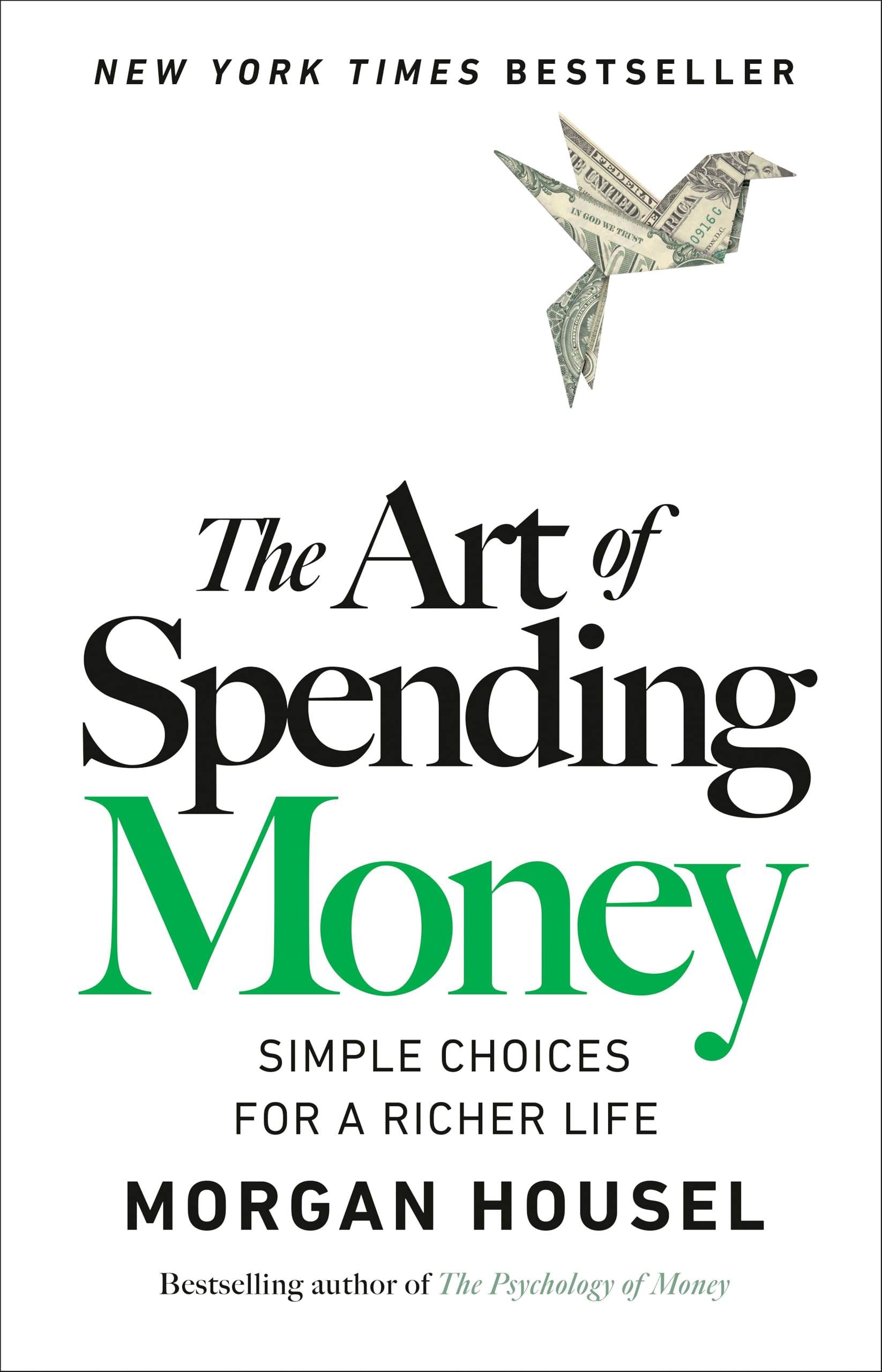
Book cover of The Art of Spending Money

The Art of Spending Money Summary

Economics & Money

By Morgan Housel

Portfolio · October 7, 2025

Summary

The Art of Spending Money by Morgan Housel is a must-read for anyone looking to improve their financial literacy. In this book, Housel explores the complex relationship between money and spending. He takes us through various aspects of financial decision-making, from understanding our own spending habits to dealing with market uncertainties. Through engaging stories and clear explanations, Housel shows how small changes in our spending behavior can lead to significant long-term benefits. He also touches on the psychological factors that influence our spending, such as fear, greed, and social pressure. By the end of the book, readers will gain a deeper understanding of how to spend money in a way that aligns with their values and goals. It's not just about saving; it's about making the most of every dollar and finding a balance between present enjoyment and future security.

About the Author

Morgan Housel is a well-known financial writer. He specializes in finance-related topics. His writing style is clear and engaging, making complex financial concepts easy to understand, as seen in "The Art of Spending Money".

Chapters

1

Introduction to the Art of Spending Money

In "The Art of Spending Money," the book delves into the multifaceted nature of spending and its profound impact on our lives. It's not just about the act of buying things; it's about making choices that align with our values, goals, and long-term well-being. Spending money is an integral part of our daily lives, yet many of us often make decisions without fully understanding the implications. This book aims to provide insights and strategies to help us become more intentional and effective spenders.
2

Understanding Your Spending Psychology

Our spending habits are deeply rooted in our psychology. Emotions play a significant role in how we spend money. For example, when we're happy, we might be more likely to make impulse purchases as a way to celebrate. On the other hand, when we're stressed, we could turn to shopping as a form of stress relief.Our past experiences also shape our spending. If we grew up in a family where money was scarce, we might be overly frugal or, conversely, overcompensate by spending recklessly once we have more financial resources. Understanding these psychological factors is crucial as it allows us to recognize when our emotions are driving our spending decisions and take steps to make more rational choices.

3

The Value of Money

Money is not just a medium of exchange; it represents value. However, the value we assign to money can vary greatly from person to person. Some people value experiences, such as traveling or attending concerts, more than material possessions. Others might place a high value on saving for the future and view spending as a necessary evil.It's important to understand our own values when it comes to money. By doing so, we can make spending decisions that are in line with what truly matters to us. For instance, if we value family time, we might choose to spend money on a family vacation rather than on a new, expensive gadget.

4

Budgeting for Success

Budgeting is a fundamental tool for effective spending. A well-planned budget helps us keep track of our income and expenses, and it allows us to allocate our money in a way that meets our financial goals.To create a budget, we first need to list all our sources of income. This includes our salary, any side hustles, and investment income. Then, we list our fixed expenses, such as rent or mortgage payments, utility bills, and insurance premiums. After that, we account for variable expenses like groceries, entertainment, and clothing.Once we have a clear picture of our income and expenses, we can set limits for each category. This helps us avoid overspending and ensures that we have enough money for the things that are most important to us. For example, if we want to save for a down payment on a house, we can allocate a certain amount of money each month towards that goal in our budget.

5

Smart Shopping Strategies

When it comes to shopping, there are several strategies we can use to get the most value for our money. One of the most effective strategies is comparison shopping. Before making a purchase, we should research different brands and stores to find the best price. This can be done online or by visiting physical stores.Another strategy is to take advantage of sales and discounts. Many stores offer seasonal sales, clearance events, and promotional codes. By keeping an eye on these opportunities, we can save a significant amount of money. For example, if we're planning to buy a new laptop, waiting for a back-to-school sale or a holiday promotion can result in substantial savings.We should also be aware of the quality of the products we're buying. Sometimes, a slightly more expensive item can be a better investment in the long run if it lasts longer and performs better. For instance, a high-quality pair of shoes might cost more upfront but will save us money in the long term as we won't have to replace them as often.

6 more chapters available

Continue listening in the Spickor app — free download on the App Store.

Listen in App

Why Spickor?

At Spickor, we believe knowledge should have no paywalls. Every book summary can be unlocked for free by watching a short ad — or you can choose an ad-free subscription. Unlike other apps, there's no "1 book per day" free limit. Learn at your own pace, on your own terms.

FeatureSpickorBlinkistHeadway
Free accessAll books free via ad unlock1 book/day only1 book/day only
Book library2,200+ across 8 categories9,000+ (non-fiction only)2,000+ (personal growth focus)
Paid subscriptionNo forced subscription; ad-supportedRequired; from $99.99/yrRequired; from $89.99/yr
Audio for all summariesYesPremium onlyPremium only
Novels & fictionYesNoNo
PlatformsiOS (Android & Web in dev)iOS / Android / WebiOS / Android only

All Books, Truly Free

Unlock any book with a short ad. No daily limits, no hidden fees.

Listen for Free

Every summary includes high-quality audio. No "premium only" labels.

Beyond Self-Help

8 categories including business, technology, and novels.

Listen in App
8 m 35 s