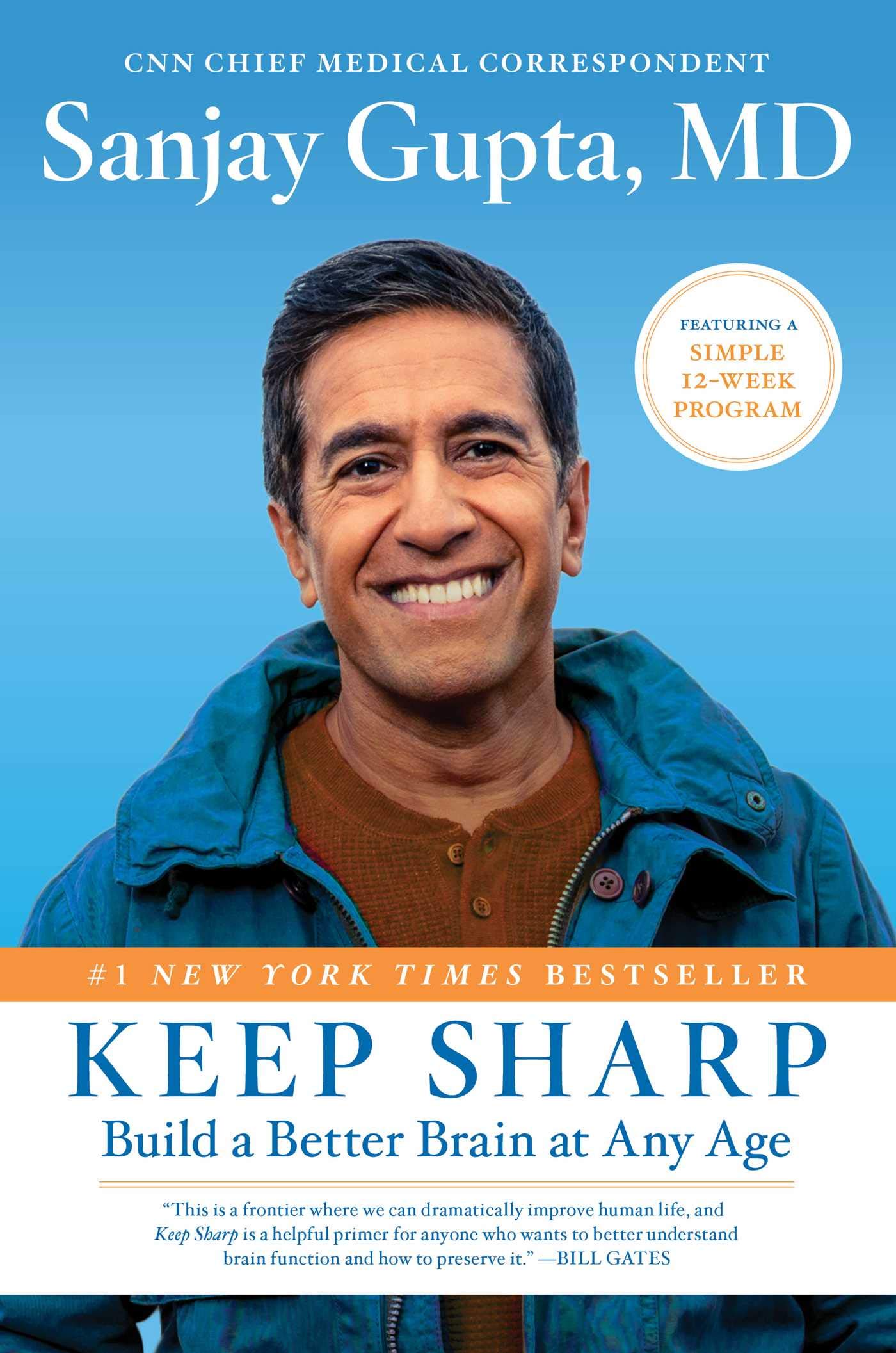
Book cover of Keep Sharp

Keep Sharp Summary

Meditation & Health

By Sanjay Gupta M.D.

Simon & Schuster · January 5, 2021

Summary

In 'Keep Sharp', renowned medical expert Sanjay Gupta delves into the science of brain health. With a focus on practicality, the book presents a series of strategies that can be easily incorporated into daily life. Gupta explains how factors like diet, exercise, and sleep play crucial roles in maintaining cognitive function. He also addresses the impact of stress and offers techniques to manage it. Through real-life examples and scientific research, 'Keep Sharp' provides a comprehensive guide for anyone looking to improve their mental clarity and memory. It's not just about preventing cognitive decline; it's about actively enhancing brain power at any age. Whether you're in your 20s or 70s, this book offers actionable advice to keep your mind in top shape.

About the Author

Sanjay Gupta is a well-known neurosurgeon and author. He writes in the field of health and wellness. His style in "Keep Sharp" is clear, practical, and backed by medical knowledge, offering valuable insights.

Chapters

1

Introduction: The Importance of a Sharp Mind

In today's fast-paced world, maintaining a sharp mind is crucial. Our cognitive abilities affect every aspect of our lives, from making daily decisions to achieving long-term goals. Cognitive decline is not an inevitable part of aging, and this book, "Keep Sharp" by Sanjay Gupta, offers practical strategies to keep our brains in top shape.The book emphasizes that the brain is a highly adaptable organ. Just like our muscles, it can be trained and strengthened. By understanding the factors that influence brain health and implementing the right lifestyle changes, we can enhance our cognitive function, improve memory, and reduce the risk of neurodegenerative diseases.

2

Understanding the Brain

The brain is an incredibly complex organ composed of billions of neurons. Neurons communicate with each other through electrical and chemical signals. These connections form neural pathways, which are the basis of all our thoughts, emotions, and actions.There are different regions of the brain, each with specific functions. The prefrontal cortex is responsible for decision-making, planning, and impulse control. The hippocampus plays a vital role in memory formation. The amygdala is involved in processing emotions, especially fear and anxiety.As we age, the brain undergoes various changes. The volume of the brain may decrease, and the speed of neural communication may slow down. However, these changes are not set in stone. Through proper care and stimulation, we can counteract some of these age-related effects.

3

The Role of Diet in Brain Health

A balanced diet is essential for brain health. Foods rich in antioxidants, such as fruits and vegetables, help protect the brain from oxidative stress. Antioxidants neutralize free radicals, which are unstable molecules that can damage cells, including brain cells.Omega-3 fatty acids, found in fatty fish like salmon, mackerel, and sardines, are also crucial for brain health. They support the structure and function of brain cells and can improve cognitive function and mood.Whole grains are a good source of complex carbohydrates, which provide a steady supply of energy to the brain. They also contain B-vitamins, which are important for nerve function.On the other hand, a diet high in processed foods, sugar, and saturated fats can have a negative impact on the brain. These foods can lead to inflammation in the body, which can affect the brain's function and increase the risk of cognitive decline.

4

Exercise and the Brain

Exercise is not only beneficial for our physical health but also for our brain. When we exercise, our body releases chemicals such as endorphins and dopamine, which can improve our mood and reduce stress.Aerobic exercise, like running, cycling, or swimming, increases blood flow to the brain. This increased blood flow delivers more oxygen and nutrients to the brain cells, promoting their growth and survival.Strength training, such as weightlifting, also has positive effects on the brain. It can increase the production of brain-derived neurotrophic factor (BDNF), a protein that helps in the growth and maintenance of neurons.Regular exercise can also improve cognitive functions such as attention, memory, and problem-solving. It can even help prevent age-related cognitive decline and reduce the risk of neurodegenerative diseases like Alzheimer's.

5

Sleep and Brain Restoration

Sleep is a critical time for the brain to rest and restore itself. During sleep, the brain clears out toxins and waste products that accumulate during the day. It also consolidates memories, turning short-term memories into long-term ones.Lack of sleep can have a significant impact on cognitive function. It can lead to problems with attention, concentration, and memory. Chronic sleep deprivation has been linked to an increased risk of neurodegenerative diseases.To improve sleep quality, it is important to establish a regular sleep schedule. Going to bed and waking up at the same time every day helps regulate the body's internal clock. Creating a comfortable sleep environment, free from distractions and with a suitable temperature, can also enhance sleep.

5 more chapters available

Continue listening in the Spickor app — free download on the App Store.

Listen in App

Why Spickor?

At Spickor, we believe knowledge should have no paywalls. Every book summary can be unlocked for free by watching a short ad — or you can choose an ad-free subscription. Unlike other apps, there's no "1 book per day" free limit. Learn at your own pace, on your own terms.

FeatureSpickorBlinkistHeadway
Free accessAll books free via ad unlock1 book/day only1 book/day only
Book library2,200+ across 8 categories9,000+ (non-fiction only)2,000+ (personal growth focus)
Paid subscriptionNo forced subscription; ad-supportedRequired; from $99.99/yrRequired; from $89.99/yr
Audio for all summariesYesPremium onlyPremium only
Novels & fictionYesNoNo
PlatformsiOS (Android & Web in dev)iOS / Android / WebiOS / Android only

All Books, Truly Free

Unlock any book with a short ad. No daily limits, no hidden fees.

Listen for Free

Every summary includes high-quality audio. No "premium only" labels.

Beyond Self-Help

8 categories including business, technology, and novels.

Listen in App
7 m 49 s