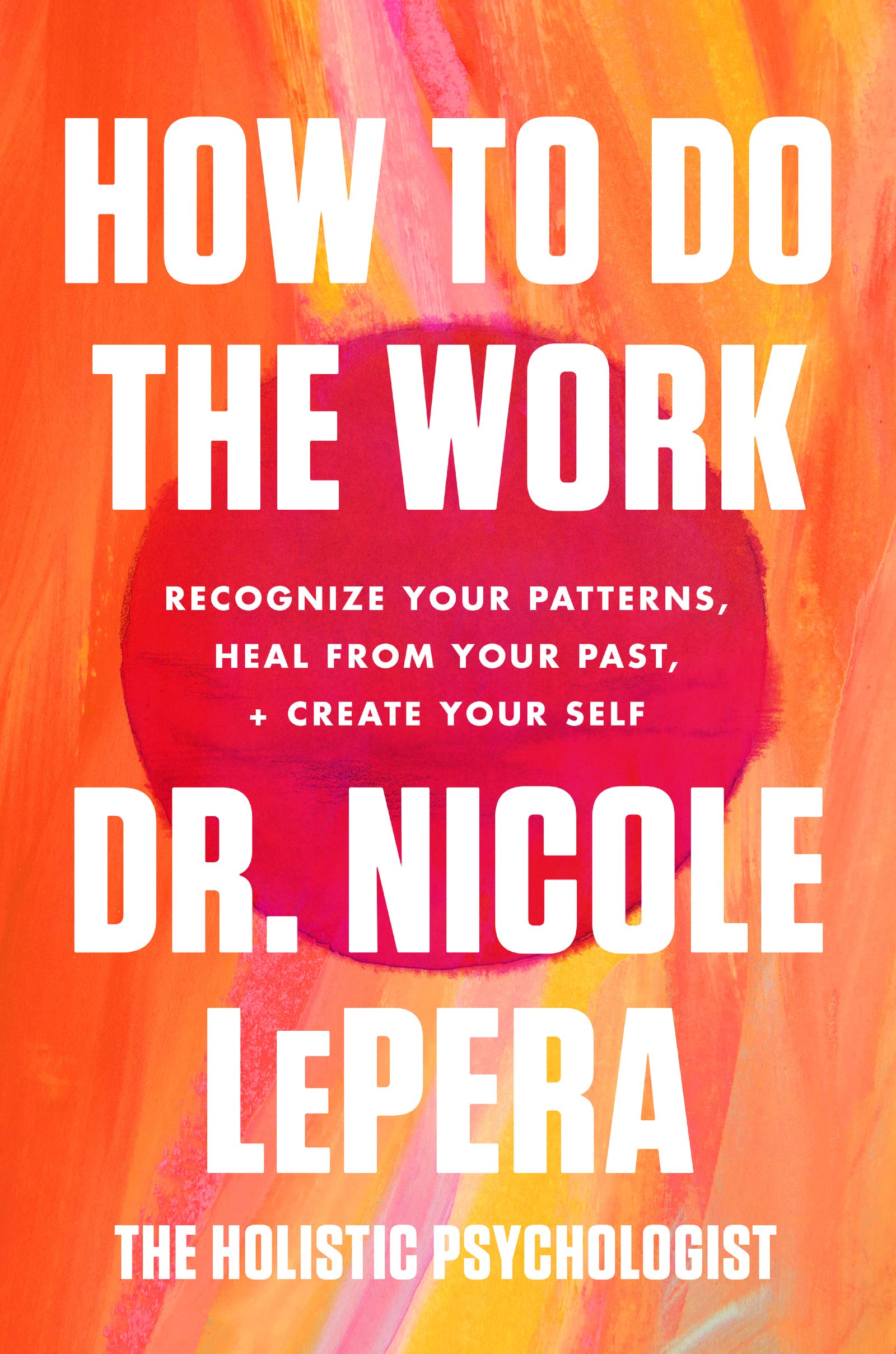
Book cover of How to Do the Work

How to Do the Work Summary

Meditation & Health

By Nicole LePera

Harper · March 9, 2021

Summary

"How to Do the Work" by Dr. Nicole LePera is a groundbreaking self-help book that delves deep into the realm of emotional healing. Dr. LePera, with her professional background, brings a wealth of knowledge to the table. In this book, she explores the root causes of emotional distress, such as childhood traumas and negative thought patterns. She provides step-by-step guidance on how to recognize these issues and take proactive steps towards healing. The author emphasizes the importance of self-awareness and self-compassion in the healing process. By using real-life examples and practical exercises, she makes complex psychological concepts accessible to the general public. Whether you're dealing with anxiety, depression, or simply looking to improve your overall well-being, this book offers valuable insights and tools. It encourages readers to take control of their emotional health and embark on a journey of self-discovery and growth. Through her words, Dr. LePera empowers readers to break free from the chains of past traumas and live a more authentic and joyful life.

About the Author

Dr. Nicole LePera is a psychologist. She focuses on self-help and mental health in her writing. Her style in "How to Do the Work" is practical and insightful, guiding readers to self-improvement.

Chapters

1

Introduction to Self-Healing

Embarking on the journey of self-healing is a profound and life-altering experience. In "How to Do the Work," we are introduced to the concept that our past traumas, no matter how small they may seem, can have a significant impact on our present lives. Understanding this is the first step towards true self-discovery and growth.Trauma is not just limited to major events like abuse or loss. It can also stem from seemingly minor incidents, such as a childhood embarrassment or a harsh criticism. These traumas can create emotional wounds that fester over time, affecting our relationships, self-esteem, and overall well-being.The process of self-healing is not a quick fix. It requires time, patience, and a willingness to delve deep into our inner selves. By doing so, we can break free from the patterns that hold us back and create a more fulfilling life.

2

Understanding the Inner Child

Our inner child represents the part of us that was formed during our childhood. This part holds onto the emotions, beliefs, and experiences from that time. When we experience trauma in childhood, the inner child can become wounded and carry that pain into adulthood.To understand the inner child, we need to look at our past experiences with a compassionate eye. We may have developed certain defense mechanisms as children to protect ourselves from further hurt. For example, we might have become overly compliant or withdrawn. These defense mechanisms, while useful in the past, can now limit our ability to form healthy relationships and express our true selves.By acknowledging and nurturing our inner child, we can start to heal the wounds. This involves listening to the inner child's needs, validating its feelings, and providing the love and support that it may have lacked in the past.

3

The Role of Emotions in Healing

Emotions are a powerful tool in the healing process. They are not something to be ignored or suppressed but rather embraced and understood. When we experience an emotion, it is a signal from our body and mind that something needs attention.Negative emotions, such as anger, sadness, and fear, are often seen as bad. However, they are actually important messengers. For instance, anger can indicate that a boundary has been violated, and sadness can be a sign of loss. By allowing ourselves to fully feel these emotions, we can process them and move forward.On the other hand, positive emotions, like joy and love, can also play a crucial role in healing. They can help us build resilience and create a more positive outlook on life. We can cultivate positive emotions through activities such as gratitude journaling, spending time with loved ones, and engaging in hobbies that bring us joy.

4

Breaking Free from Toxic Patterns

Toxic patterns are behaviors and thought processes that keep us stuck in a cycle of unhappiness. These patterns can be learned from our family, society, or past relationships. For example, we may have a pattern of choosing partners who are emotionally unavailable because it is familiar to us.To break free from these patterns, we first need to identify them. This requires self-reflection and awareness. Once we have identified the patterns, we can start to challenge them. We can question the beliefs that underlie these patterns and replace them with more positive and healthy ones.Breaking free from toxic patterns also involves taking action. We may need to make changes in our lives, such as setting boundaries with toxic people or changing our daily routines. It is a process that takes time and effort, but the rewards are well worth it.

5

Building Healthy Relationships

Healthy relationships are essential for our well-being. They provide support, love, and a sense of belonging. However, building healthy relationships requires effort and self-awareness.In a healthy relationship, both partners respect each other's boundaries, communicate openly and honestly, and support each other's growth. We need to be able to express our needs and listen to the needs of others. This involves being empathetic and understanding.To build healthy relationships, we also need to work on our own self-esteem. When we have a healthy sense of self-worth, we are more likely to attract and maintain healthy relationships. We are less likely to tolerate mistreatment and more likely to stand up for ourselves.

5 more chapters available

Continue listening in the Spickor app — free download on the App Store.

Listen in App

Why Spickor?

At Spickor, we believe knowledge should have no paywalls. Every book summary can be unlocked for free by watching a short ad — or you can choose an ad-free subscription. Unlike other apps, there's no "1 book per day" free limit. Learn at your own pace, on your own terms.

FeatureSpickorBlinkistHeadway
Free accessAll books free via ad unlock1 book/day only1 book/day only
Book library2,200+ across 8 categories9,000+ (non-fiction only)2,000+ (personal growth focus)
Paid subscriptionNo forced subscription; ad-supportedRequired; from $99.99/yrRequired; from $89.99/yr
Audio for all summariesYesPremium onlyPremium only
Novels & fictionYesNoNo
PlatformsiOS (Android & Web in dev)iOS / Android / WebiOS / Android only

All Books, Truly Free

Unlock any book with a short ad. No daily limits, no hidden fees.

Listen for Free

Every summary includes high-quality audio. No "premium only" labels.

Beyond Self-Help

8 categories including business, technology, and novels.

Listen in App
8 m 53 s