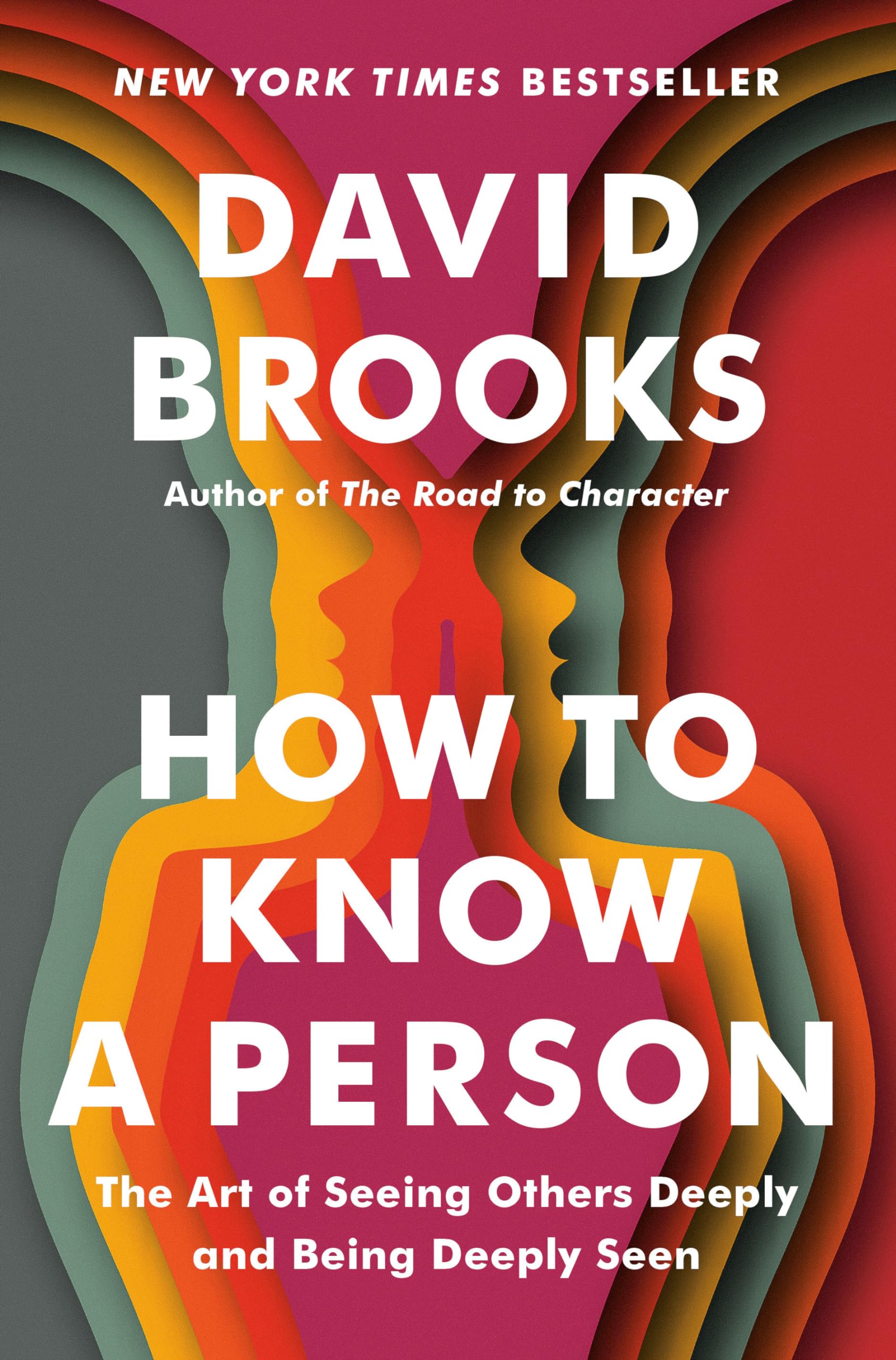
Book cover of How to Know a Person

How to Know a Person Summary

Meditation & Health

By David Brooks

Random House · October 24, 2023

Summary

In the book "How to Know a Person", David Brooks delves into the complex world of human understanding. He starts by highlighting the importance of truly knowing others in our daily lives. Whether in personal relationships, at work, or in social settings, the ability to understand people is crucial. Brooks provides a wealth of knowledge and practical advice on how to observe, listen, and interpret the behaviors and signals of those around us. He uses real-life examples and research findings to illustrate his points, making the content both engaging and relatable. Through this book, readers will learn how to break through surface-level interactions and develop a more profound understanding of the people they meet. It's not just about getting to know someone's name or basic facts; it's about uncovering their true selves, their values, and their motivations. This book is a valuable resource for anyone looking to enhance their social skills and build more meaningful connections in their lives.

About the Author

David Brooks is a well-known author. He specializes in non-fiction writing. His style in "How to Know a Person" is insightful and thought-provoking, presenting complex ideas in an accessible way.

Chapters

1

Introduction to Understanding People

Understanding people is a complex yet crucial skill in both personal and professional life. In the book "How to Know a Person," we embark on a journey to learn the art of truly comprehending those around us. This skill is not just about surface-level interactions but delving deep into a person's character, motivations, and emotions. By mastering the techniques and insights presented in this book, one can build stronger relationships, make better decisions in social and work settings, and gain a deeper understanding of human nature.We all encounter different types of people every day, from family members and friends to colleagues and strangers. Each individual is unique, with their own set of values, beliefs, and behaviors. The ability to accurately assess and understand these differences can significantly enhance our communication and connection with others. For example, in a business environment, understanding a client's needs and personality can lead to more successful deals. In personal relationships, it can prevent misunderstandings and strengthen bonds.Throughout the book, we will explore various aspects of human behavior, including how to read body language, interpret verbal cues, and understand the underlying psychological factors that drive a person's actions. By the end of this journey, we will be equipped with the tools to see beyond the surface and truly know a person.

2

The Basics of Human Behavior

Human behavior is a complex tapestry woven by a multitude of factors. At the most fundamental level, our behavior is influenced by both nature and nurture. Our genetic makeup provides a foundation for certain traits and tendencies, while our environment, upbringing, and life experiences shape us in profound ways.Genetics can play a role in determining aspects such as our temperament, intelligence, and even our susceptibility to certain mental health conditions. For instance, some people may be genetically predisposed to be more introverted or extroverted. However, it's important to note that genetics is not destiny. Our environment can modify and even override some of these genetic tendencies.Our upbringing, especially during our formative years, has a lasting impact on our behavior. The values, beliefs, and norms instilled in us by our parents, family, and community shape our moral compass and how we interact with the world. For example, a person raised in a culture that values collectivism may be more likely to prioritize the needs of the group over individual desires.Life experiences also contribute to our behavior. Traumatic events, significant achievements, and day-to-day interactions can all shape our perspectives and responses. A person who has experienced a major setback may become more cautious or resilient, depending on how they cope with the situation.To truly understand a person, we need to consider all these factors. By looking at the big picture of a person's life, we can start to make sense of their behavior and predict how they might act in different situations.

3

Reading Body Language

Body language is a powerful form of non-verbal communication that can reveal a great deal about a person's thoughts and feelings. It includes gestures, facial expressions, posture, and eye contact.Gestures can be very telling. For example, crossed arms can sometimes indicate defensiveness or a closed-off attitude. On the other hand, open and expansive gestures often suggest confidence and friendliness. A person who frequently uses hand gestures while speaking may be more expressive and passionate about what they are saying.Facial expressions are another key aspect of body language. A smile can convey happiness, but it can also be used to mask other emotions. A forced smile may be a sign of discomfort or insincerity. Micro-expressions, which are very brief facial expressions that last only a fraction of a second, can reveal hidden emotions that a person is trying to hide. For example, a quick flash of anger or sadness can be detected through micro-expressions.Posture can also give us clues about a person's state of mind. A slouched posture may indicate low self-esteem or fatigue, while an upright and confident posture suggests self-assurance. The way a person stands or sits in relation to others can also show the level of comfort or interest in a conversation.Eye contact is a powerful form of non-verbal communication. Maintaining appropriate eye contact can show attentiveness and respect. However, too much eye contact can be perceived as aggressive, while avoiding eye contact may suggest shyness, dishonesty, or discomfort.By learning to read body language, we can gain a deeper understanding of a person's true feelings and intentions, even when their words say something different.

4

Interpreting Verbal Cues

Verbal communication is not just about the words we say but also how we say them. Tone of voice, choice of words, and the way we structure our sentences can all provide valuable insights into a person's thoughts and emotions.Tone of voice can completely change the meaning of a sentence. A sarcastic tone can turn a seemingly positive statement into an insult. For example, saying "That's just great" in a sarcastic tone implies the opposite of what the words actually say. A soft and gentle tone may indicate kindness or concern, while a loud and forceful tone can show anger or assertiveness.The choice of words is also important. A person who uses a lot of technical jargon may be an expert in a particular field, but it can also be a way to show off or create a sense of distance. On the other hand, simple and straightforward language may suggest honesty and approachability. The use of positive or negative words can also reflect a person's attitude. Someone who frequently uses negative words may have a pessimistic outlook on life.The way we structure our sentences can also reveal a lot. A person who speaks in long, complex sentences may be more analytical or intellectual. Short and choppy sentences can indicate nervousness or impatience. Additionally, the use of pauses and hesitations in speech can show that a person is thinking carefully about what they are saying or may be hiding something.By paying attention to these verbal cues, we can better understand a person's message and the emotions behind it.

5

Understanding Personality Types

There are various personality type theories, and understanding them can help us categorize and understand people more effectively. One well-known theory is the Myers-Briggs Type Indicator (MBTI), which classifies people into 16 different personality types based on four dichotomies: extraversion/introversion, sensing/intuition, thinking/feeling, and judging/perceiving.Extraverts tend to be outgoing, social, and energized by being around others. Introverts, on the other hand, are more reserved, preferring their own company or small groups. Sensing types focus on the details and facts of the present, while intuitive types are more interested in patterns, possibilities, and the future.Thinking types make decisions based on logic and objective analysis, while feeling types consider the emotions and values of others. Judging types like to have a structured and organized life, while perceiving types are more flexible and open-ended.Another popular theory is the Big Five personality traits: openness, conscientiousness, extraversion, agreeableness, and neuroticism. Openness refers to a person's willingness to try new things and be open to new ideas. Conscientiousness is about being organized, responsible, and self-disciplined. Extraversion is similar to the concept in the MBTI, referring to sociability and assertiveness. Agreeableness is related to being kind, cooperative, and empathetic. Neuroticism measures a person's emotional stability and tendency to experience negative emotions.By understanding these personality types, we can better predict how a person might behave in different situations and how to communicate with them effectively. For example, an introverted person may prefer written communication over face-to-face meetings, while an extraverted person may thrive in a group setting.

5 more chapters available

Continue listening in the Spickor app — free download on the App Store.

Listen in App

Why Spickor?

At Spickor, we believe knowledge should have no paywalls. Every book summary can be unlocked for free by watching a short ad — or you can choose an ad-free subscription. Unlike other apps, there's no "1 book per day" free limit. Learn at your own pace, on your own terms.

FeatureSpickorBlinkistHeadway
Free accessAll books free via ad unlock1 book/day only1 book/day only
Book library2,200+ across 8 categories9,000+ (non-fiction only)2,000+ (personal growth focus)
Paid subscriptionNo forced subscription; ad-supportedRequired; from $99.99/yrRequired; from $89.99/yr
Audio for all summariesYesPremium onlyPremium only
Novels & fictionYesNoNo
PlatformsiOS (Android & Web in dev)iOS / Android / WebiOS / Android only

All Books, Truly Free

Unlock any book with a short ad. No daily limits, no hidden fees.

Listen for Free

Every summary includes high-quality audio. No "premium only" labels.

Beyond Self-Help

8 categories including business, technology, and novels.

Listen in App
15 m 46 s