Introduction to Psychedelics
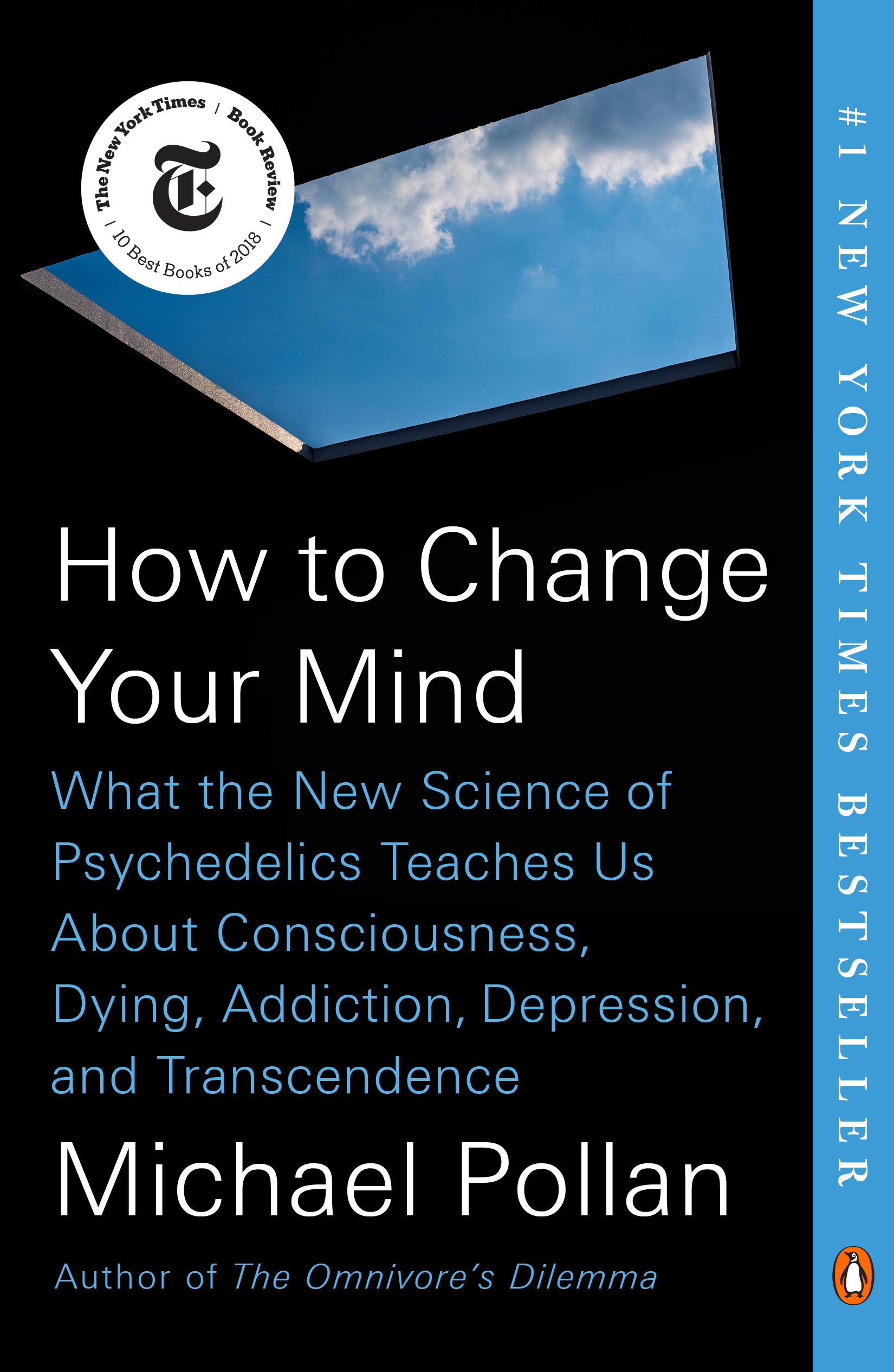
Psychedelics, once stigmatized and associated with the counterculture of the 1960s, are now experiencing a renaissance in scientific research and public interest. "How to Change Your Mind" by Michael Pollan delves deep into the world of these mind-altering substances, exploring their history, effects, and potential benefits. Psychedelic substances such as LSD, psilocybin (found in magic mushrooms), and MDMA have unique chemical properties that interact with the brain's serotonin system. This interaction can lead to profound changes in perception, thought, and emotion. For centuries, indigenous cultures have used psychedelic plants in religious and healing ceremonies. However, in the 20th century, Western society's view of these substances took a dark turn. The Cold-War era and the rise of the anti-drug movement led to the criminalization of psychedelics in many countries, effectively shutting down scientific research for decades. Despite this setback, recent years have seen a resurgence of interest as researchers are starting to uncover the therapeutic potential of these substances.