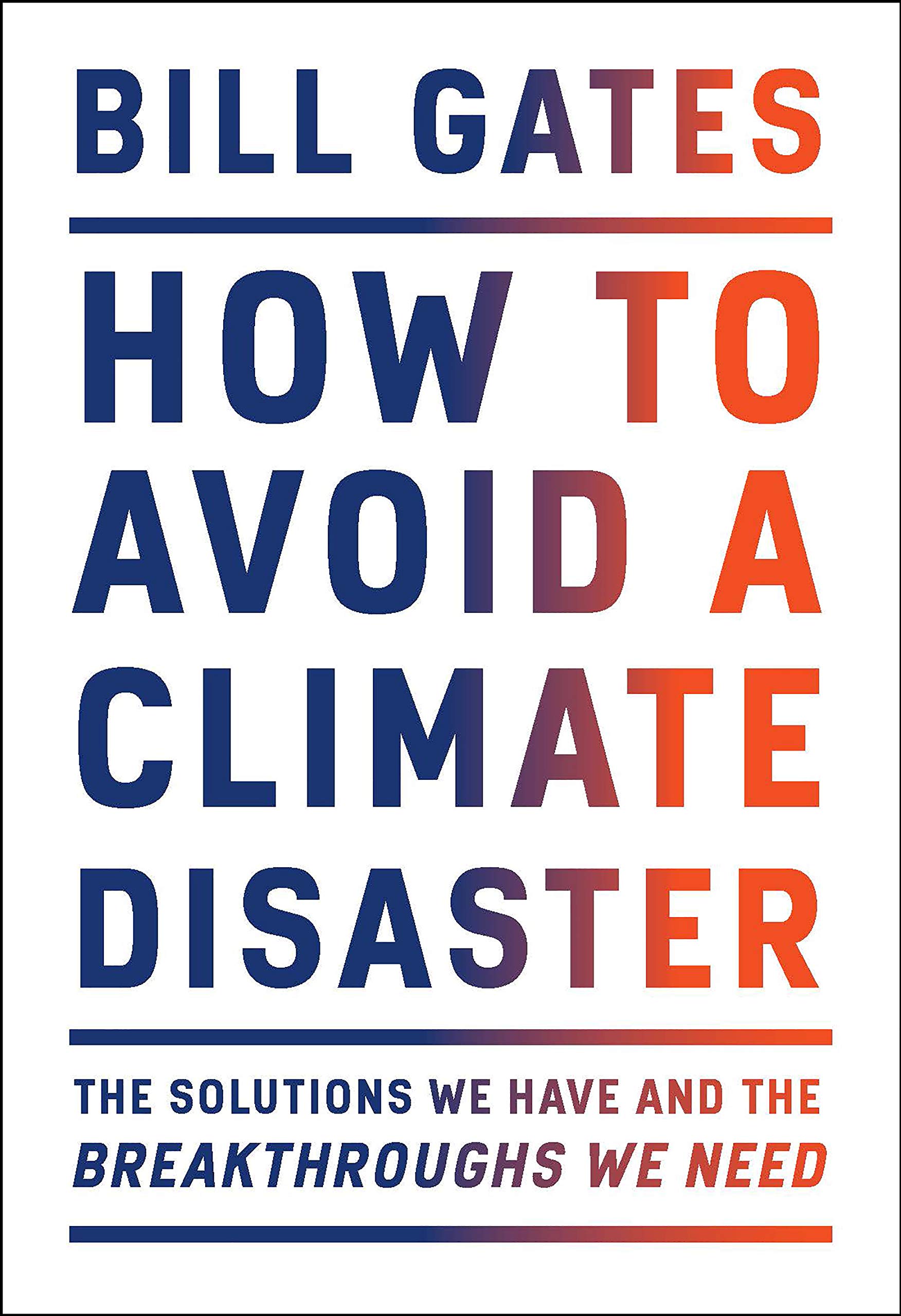
Book cover of How to Avoid a Climate Disaster

How to Avoid a Climate Disaster Summary

Technology & Science

By Bill Gates

Vintage · February 16, 2021

Summary

In the book "How to Avoid a Climate Disaster", Bill Gates, a well-known figure in the technology and philanthropy fields, delves into the complex issue of climate change. He acknowledges that the threat of climate disaster is real and immediate. Gates doesn't just highlight the problems; he provides actionable steps and innovative ideas to combat this global challenge. He breaks down the different sectors contributing to greenhouse gas emissions, such as energy, transportation, and agriculture. For each sector, he offers practical solutions, ranging from the development of clean energy technologies to changes in consumer behavior. Gates emphasizes the importance of collaboration between governments, businesses, and individuals. By presenting a clear and comprehensive plan, he hopes to inspire people to take action. Whether you're an environmental enthusiast or just someone worried about the future, this book provides valuable insights and a roadmap for a sustainable future.

About the Author

Bill Gates is a renowned entrepreneur and philanthropist. He delves into climate-related topics. His writing in "How to Avoid a Climate Disaster" is clear, fact-based, and presents practical solutions to complex issues.

Chapters

1

The Climate Crisis and Its Consequences

The world is facing a severe climate crisis. The burning of fossil fuels like coal, oil, and gas releases large amounts of greenhouse gases, mainly carbon dioxide, into the atmosphere. These gases trap heat, causing the planet's temperature to rise. The consequences of this global warming are far-reaching.Rising temperatures lead to more frequent and intense heatwaves, which can be life-threatening, especially for the elderly and those with pre-existing health conditions. Melting ice sheets in the Arctic and Antarctic contribute to sea-level rise. This endangers coastal communities, as they face the risk of flooding and erosion.Extreme weather events such as hurricanes, droughts, and heavy rainfall are becoming more common. Droughts can lead to water shortages, affecting agriculture and food security. Heavy rainfall can cause flash floods, destroying homes and infrastructure.

2

The Concept of Net-Zero Emissions

To combat climate change, the goal of achieving net-zero emissions is crucial. Net-zero means that the amount of greenhouse gases emitted into the atmosphere is balanced by the amount removed. It's not about completely eliminating emissions but rather offsetting them.There are two main ways to achieve net-zero. One is to reduce emissions at the source. This involves transitioning from fossil fuels to clean energy sources like solar, wind, and hydro power. The other is to remove carbon dioxide from the atmosphere through natural or technological means. Natural methods include reforestation, as trees absorb carbon dioxide during photosynthesis. Technological methods involve carbon capture and storage, where carbon dioxide is captured from industrial processes and stored underground.

3

Energy Generation and Transition

The energy sector is a major contributor to greenhouse gas emissions. Currently, a large portion of the world's energy comes from fossil fuels. To achieve net-zero emissions, a significant transition in energy generation is needed.Solar energy is a promising option. Solar panels can convert sunlight into electricity. They are becoming more efficient and cost-effective over time. Wind energy is also growing rapidly. Wind turbines can generate electricity in windy areas, both onshore and offshore.Hydroelectric power, generated from the flow of water in rivers and dams, is another reliable source of clean energy. However, it also has some environmental impacts, such as affecting fish migration and altering river ecosystems.Nuclear energy is a controversial but potentially low-carbon option. It can produce a large amount of electricity without emitting greenhouse gases during operation. But it also has issues related to nuclear waste disposal and safety concerns.

4

Transportation and Mobility

The transportation sector is another major emitter of greenhouse gases. Most vehicles run on gasoline or diesel, which release carbon dioxide when burned. To reduce emissions in this sector, several solutions are being explored.Electric vehicles (EVs) are becoming increasingly popular. They run on electricity, which can be generated from clean sources. The development of better battery technology is making EVs more practical, with longer ranges and shorter charging times.Public transportation, such as buses and trains, can also play a significant role. By encouraging people to use public transport instead of private cars, we can reduce the overall number of vehicles on the road and thus emissions.In addition, the development of alternative fuels, such as biofuels and hydrogen, is being investigated. Biofuels are made from organic materials and can be used in existing engines with some modifications. Hydrogen fuel cells can power vehicles with only water as a by-product.

5

Agriculture and Food Production

Agriculture is a significant contributor to greenhouse gas emissions. Livestock farming, especially cattle, produces large amounts of methane, a potent greenhouse gas. Methane is released during the digestion process of cows and other ruminants.Fertilizer use in agriculture also releases nitrous oxide, another powerful greenhouse gas. To reduce emissions in this sector, changes in farming practices are needed.One approach is to improve livestock management. This can include feeding cows a diet that reduces methane production. Another is to promote sustainable farming methods, such as regenerative agriculture. Regenerative agriculture focuses on building healthy soil, which can sequester carbon.Reducing food waste is also crucial. A large amount of food is wasted at various stages of the supply chain, from production to consumption. By reducing waste, we can reduce the emissions associated with food production.

5 more chapters available

Continue listening in the Spickor app — free download on the App Store.

Listen in App

Why Spickor?

At Spickor, we believe knowledge should have no paywalls. Every book summary can be unlocked for free by watching a short ad — or you can choose an ad-free subscription. Unlike other apps, there's no "1 book per day" free limit. Learn at your own pace, on your own terms.

FeatureSpickorBlinkistHeadway
Free accessAll books free via ad unlock1 book/day only1 book/day only
Book library2,200+ across 8 categories9,000+ (non-fiction only)2,000+ (personal growth focus)
Paid subscriptionNo forced subscription; ad-supportedRequired; from $99.99/yrRequired; from $89.99/yr
Audio for all summariesYesPremium onlyPremium only
Novels & fictionYesNoNo
PlatformsiOS (Android & Web in dev)iOS / Android / WebiOS / Android only

All Books, Truly Free

Unlock any book with a short ad. No daily limits, no hidden fees.

Listen for Free

Every summary includes high-quality audio. No "premium only" labels.

Beyond Self-Help

8 categories including business, technology, and novels.

Listen in App
9 m 02 s