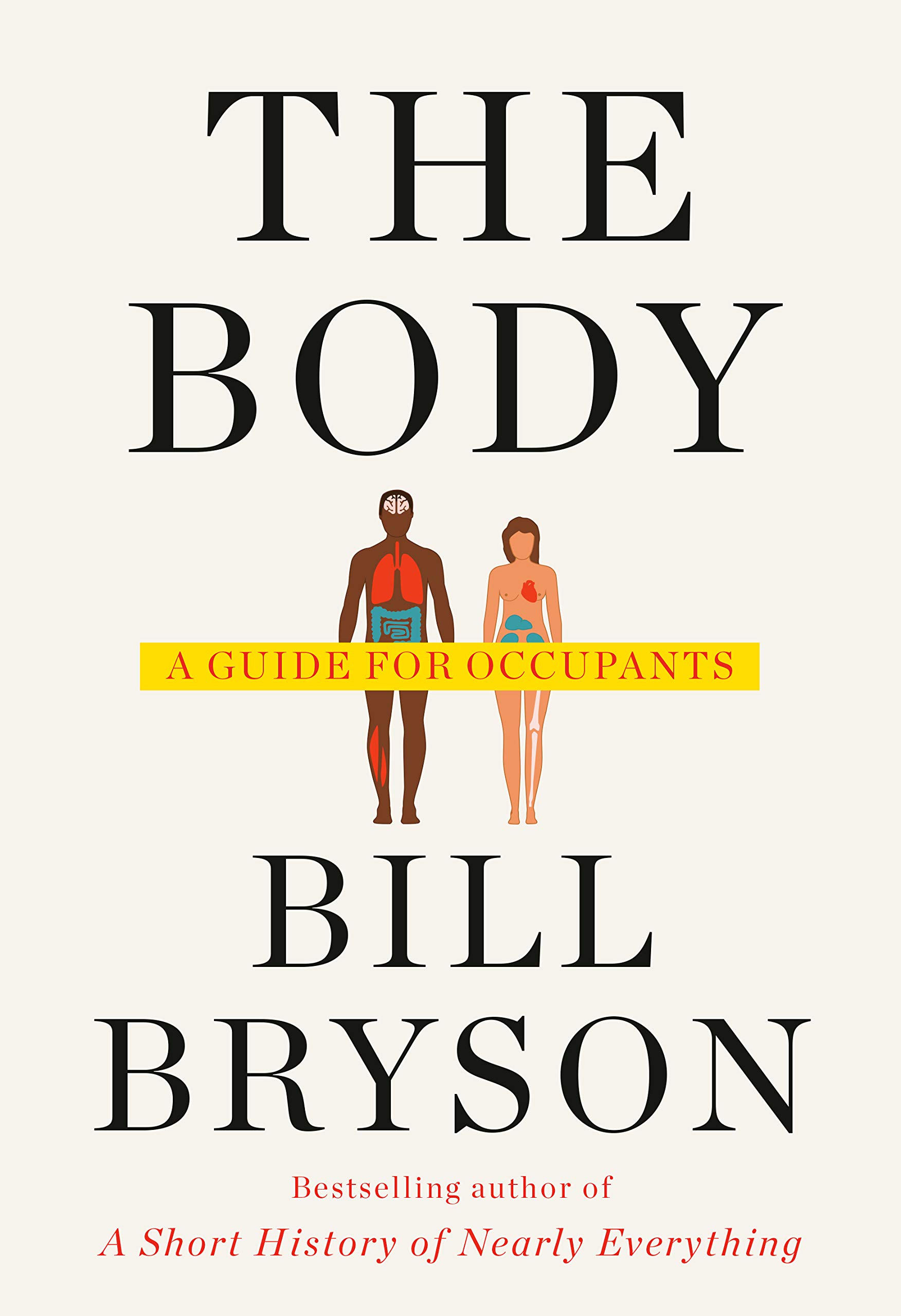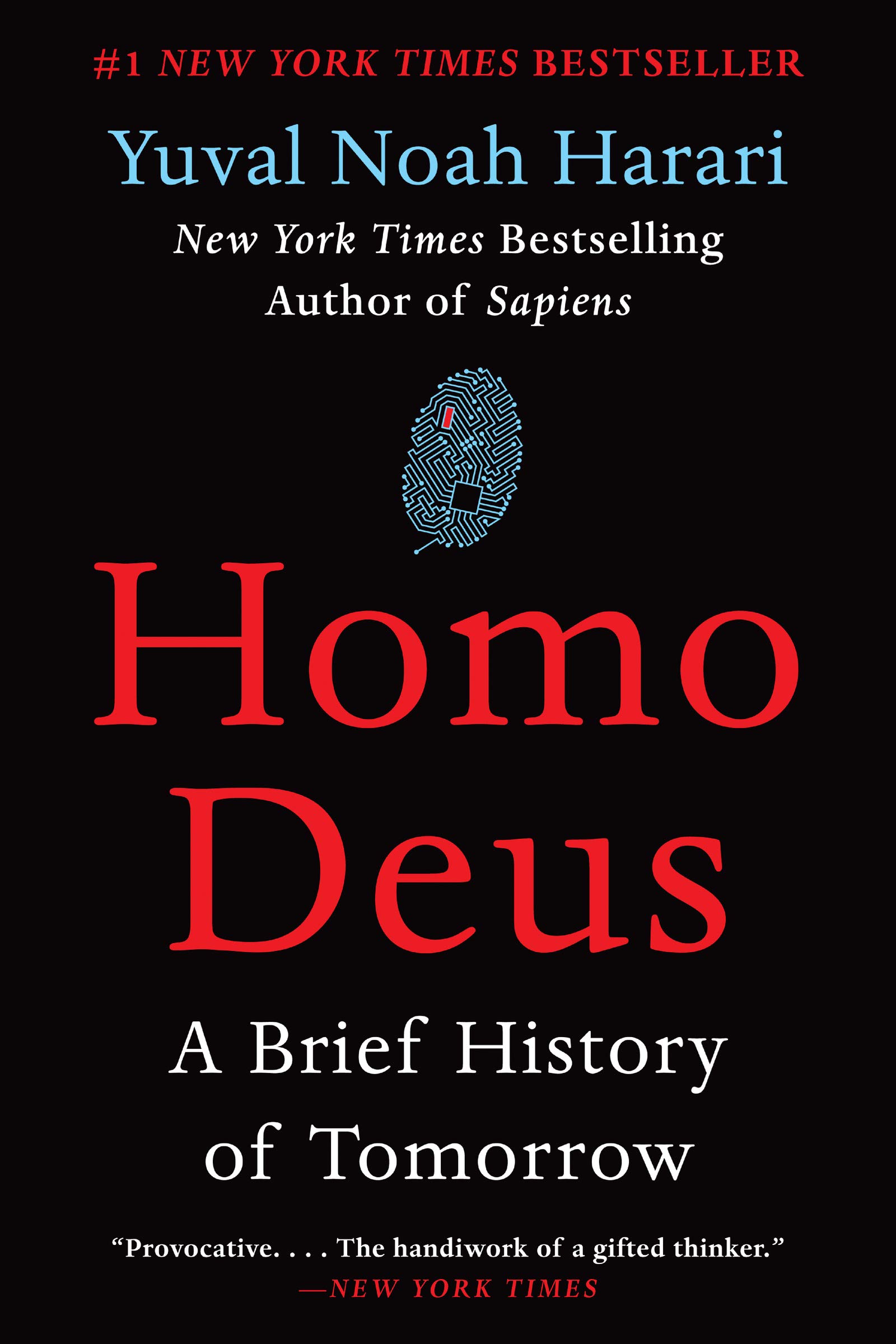
Book cover of Homo Deus

Homo Deus Summary

Technology & Science

By Yuval Noah Harari

Harper · February 21, 2017

Summary

Homo Deus, written by the renowned historian Yuval Noah Harari, is a remarkable exploration of the future of humanity. In this book, Harari takes a deep dive into the potential ways in which humans may transform in the coming centuries. He ponders on how technological breakthroughs, such as artificial intelligence, genetic engineering, and biotechnology, could reshape our very nature. Harari presents a vision where humans may transcend their biological limitations, moving towards becoming gods in their own right. The book not only looks at the technological aspects but also the social, ethical, and philosophical implications of these changes. It challenges us to think about what it means to be human in an era of rapid technological change. Whether we are ready to embrace these new possibilities or need to be cautious, Harari's perspectives are both insightful and engaging, offering a fresh look at the future of our species.

About the Author

Yuval Noah Harari is a renowned historian. He specializes in writing about history, science, and the future. His style is engaging, combining in-depth research with accessible storytelling, as seen in "Homo Deus".

Chapters

1

The End of Homo Sapiens

In modern society, humans have achieved unprecedented dominance over the world. Through scientific and technological progress, we have conquered diseases, extended lifespans, and transformed the environment. However, this success may lead to the end of Homo sapiens as we know it.Biology is no longer a fixed destiny. With the development of genetic engineering, biotechnology, and artificial intelligence, humans are on the verge of transcending their biological limitations. We can now manipulate genes, create new life forms, and even enhance our cognitive and physical abilities. This means that the traditional concept of Homo sapiens, defined by our biological characteristics, may become obsolete.The rise of artificial intelligence poses a significant threat to human employment and social structure. As machines become more intelligent and capable, they can perform tasks that were previously exclusive to humans. This may lead to widespread unemployment and social unrest. Moreover, if artificial intelligence surpasses human intelligence, it could potentially control and manipulate humanity.In addition, the pursuit of immortality and enhanced abilities may lead to a new form of inequality. Only those with access to advanced technologies will be able to afford genetic enhancements and life-extension treatments. This will create a gap between the "enhanced" and the "unenhanced," further dividing society.
2

The Rise of Dataism

Dataism is a new ideology that views the universe as a data-processing system. According to dataism, all organisms, including humans, are just algorithms. The value of an organism is determined by its ability to process and transmit data.In the digital age, data has become the most valuable resource. Companies like Google and Facebook collect vast amounts of data from users, which they use to improve their services and target advertising. This data-driven approach has led to the development of powerful algorithms that can predict human behavior and preferences.Dataism also suggests that the future of humanity lies in merging with technology. By uploading our minds to computers or integrating with artificial intelligence, we can become part of a larger data-processing network. This would allow us to access and process information at a much faster rate, potentially leading to a new form of collective intelligence.However, this ideology also raises many ethical and philosophical questions. For example, if humans are just algorithms, what happens to our sense of self and free will? And who will control the data and the algorithms? Will the power be concentrated in the hands of a few large corporations or governments?

3

The Future of Consciousness

Consciousness is one of the most mysterious aspects of human existence. While we know that consciousness is related to the brain, we still do not fully understand how it works. In the future, as technology advances, our understanding of consciousness may change.Some scientists believe that consciousness is an emergent property of complex information processing. If this is true, then it may be possible to create artificial consciousness in machines. This would have profound implications for our understanding of what it means to be human.On the other hand, there are also concerns about the potential loss of consciousness in a world dominated by technology. As we become more reliant on machines and digital devices, we may experience a form of "digital anesthesia," where our real-world experiences are replaced by virtual ones. This could lead to a decrease in our ability to feel and appreciate the richness of life.Moreover, the relationship between consciousness and free will is also a topic of debate. If our actions are determined by algorithms and data, then do we really have free will? Or is it just an illusion created by our brains?

4

The Transformation of Religion

Religion has played a crucial role in human history, providing meaning, moral guidance, and a sense of community. However, in the modern world, the influence of traditional religions is declining.The rise of science and technology has challenged many religious beliefs. For example, the theory of evolution has undermined the creationist view of the world, and modern medicine has reduced the need for divine intervention in healing. At the same time, the growth of secularism and individualism has led people to question the authority of religious institutions.In response to these changes, some new religious movements are emerging. These movements often combine elements of traditional religions with modern science and technology. For example, some advocate for the use of technology to achieve spiritual enlightenment or immortality.However, the future of religion is still uncertain. While some believe that religion will continue to evolve and adapt to the changing world, others think that it will eventually be replaced by more rational and scientific worldviews.

5

The Impact of Biotechnology

Biotechnology is revolutionizing the way we live. With the ability to manipulate genes, we can cure genetic diseases, create new crops, and even design new organisms.Gene editing technologies, such as CRISPR-Cas9, have made it possible to make precise changes to the DNA of living organisms. This has the potential to treat a wide range of genetic disorders, from sickle-cell anemia to cancer. In addition, biotechnology can be used to develop new drugs and therapies that are more effective and personalized.However, biotechnology also raises many ethical and safety concerns. For example, the use of gene editing in human embryos could lead to unintended consequences, such as the creation of "designer babies." There are also concerns about the potential for bioterrorism, as malicious actors could use biotechnology to create new and deadly pathogens.Moreover, the development of biotechnology may widen the gap between the rich and the poor. Only wealthy countries and individuals will be able to afford the latest biotechnological treatments and enhancements, creating a new form of inequality.

5 more chapters available

Continue listening in the Spickor app — free download on the App Store.

Listen in App

Why Spickor?

At Spickor, we believe knowledge should have no paywalls. Every book summary can be unlocked for free by watching a short ad — or you can choose an ad-free subscription. Unlike other apps, there's no "1 book per day" free limit. Learn at your own pace, on your own terms.

FeatureSpickorBlinkistHeadway
Free accessAll books free via ad unlock1 book/day only1 book/day only
Book library2,200+ across 8 categories9,000+ (non-fiction only)2,000+ (personal growth focus)
Paid subscriptionNo forced subscription; ad-supportedRequired; from $99.99/yrRequired; from $89.99/yr
Audio for all summariesYesPremium onlyPremium only
Novels & fictionYesNoNo
PlatformsiOS (Android & Web in dev)iOS / Android / WebiOS / Android only

All Books, Truly Free

Unlock any book with a short ad. No daily limits, no hidden fees.

Listen for Free

Every summary includes high-quality audio. No "premium only" labels.

Beyond Self-Help

8 categories including business, technology, and novels.

Listen in App
13 m 14 s