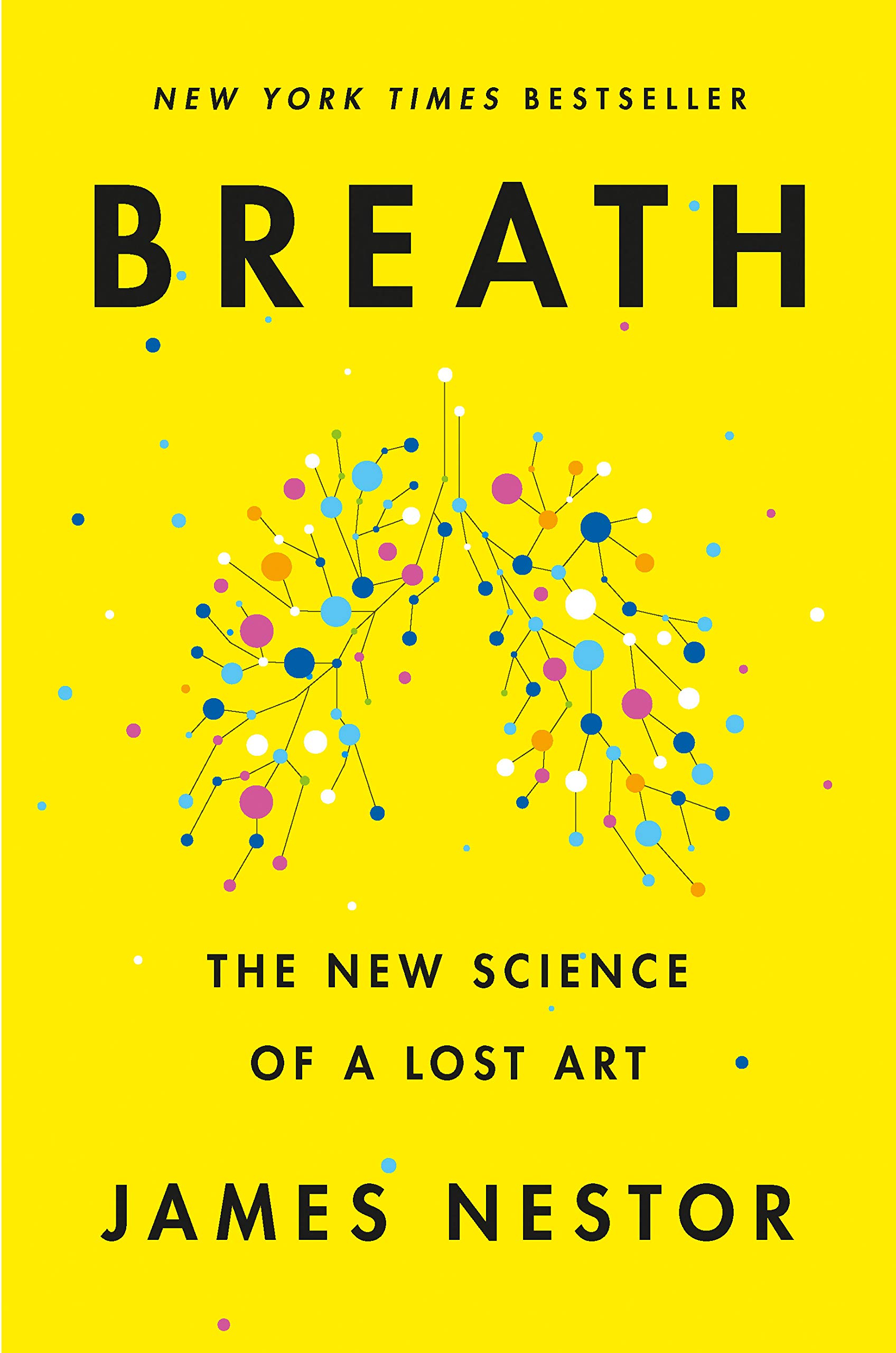
Book cover of Breath

Breath Summary

Meditation & Health

By James Nestor

Riverhead Books · May 26, 2020

Summary

In Breath, author James Nestor takes readers on an extraordinary journey into the world of breathing. He begins by exploring the fundamental role that breathing plays in our lives, from the moment we take our first breath to how it affects every aspect of our physical and mental health. Nestor travels to various corners of the globe, meeting with experts, traditional healers, and athletes to understand different breathing techniques. He delves into the science behind these practices, explaining how they can impact our heart rate, blood pressure, and immune system. The book also challenges common misconceptions about breathing, such as the belief that breathing through the mouth is normal. Instead, it advocates for nasal breathing and provides evidence-based reasons for doing so. Through a combination of engaging storytelling and scientific knowledge, Nestor equips readers with the tools to improve their breathing and, in turn, their overall health and well-being. Whether you're struggling with stress, sleep problems, or simply want to optimize your physical performance, Breath offers valuable insights and practical advice.

About the Author

James Nestor is a well-known author in the field of health and science writing. His book "Breath" showcases his in-depth research. His writing style is engaging, combining scientific facts with accessible language.

Chapters

1

The Importance of Breathing

Breathing is something we do automatically, yet it has a profound impact on our physical and mental health. Our modern lifestyle has led many of us to develop poor breathing habits, such as mouth-breathing. These habits can lead to a variety of problems, from sleep apnea to reduced energy levels.Mouth-breathing is particularly detrimental. When we breathe through the mouth, we bypass the nose's natural filtration system. This means that pollutants, bacteria, and viruses can enter our body more easily. In addition, mouth-breathing dries out the mouth and throat, which can cause snoring and sleep disturbances.On the other hand, nasal breathing has many advantages. The nose filters, warms, and humidifies the air we breathe. It also produces nitric oxide, a gas that helps to dilate blood vessels, improving oxygen delivery to the body's tissues. Nasal breathing can enhance our immune system and reduce the risk of respiratory infections.

2

The Science of Breathing

The way we breathe affects the balance of oxygen and carbon dioxide in our body. Most people think that more oxygen is always better, but that's not entirely true. Carbon dioxide plays a crucial role in regulating the body's pH levels and the release of oxygen from hemoglobin in the blood.When we hyperventilate or take rapid, shallow breaths, we exhale too much carbon dioxide. This can lead to a condition called hypocapnia, which can cause symptoms like dizziness, tingling in the hands and feet, and even panic attacks.Diaphragmatic breathing, also known as belly breathing, is a more efficient way of breathing. The diaphragm is a large muscle located at the base of the lungs. When we breathe diaphragmaticly, the diaphragm contracts and moves downward, allowing the lungs to expand fully. This type of breathing can increase the amount of oxygen intake and reduce the work of breathing.

3

Breathing and Sleep

Sleep is when our body repairs and rejuvenates itself, and proper breathing is essential for a good night's rest. Sleep apnea, a common sleep disorder, is often related to poor breathing habits. People with sleep apnea stop breathing for short periods during sleep, which can lead to fragmented sleep and daytime fatigue.Mouth-breathing is a major contributing factor to sleep apnea. By keeping the mouth closed during sleep and breathing through the nose, we can reduce the risk of airway collapse. Using nasal dilators or tape to keep the mouth shut can be effective solutions.In addition, certain breathing exercises before bedtime can help relax the body and mind, promoting better sleep quality. For example, the 4-7-8 breathing technique involves inhaling for 4 seconds, holding the breath for 7 seconds, and exhaling for 8 seconds. This technique can slow down the heart rate and induce a state of relaxation.

4

Breathing and Exercise

Proper breathing is also crucial during exercise. When we exercise, our body's demand for oxygen increases. If we don't breathe correctly, we may not be able to supply enough oxygen to our muscles, leading to fatigue and reduced performance.During aerobic exercises like running or cycling, it's important to breathe rhythmically. A common pattern is to inhale for a certain number of steps or pedal strokes and then exhale for the same or a different number. This helps to maintain a steady supply of oxygen to the working muscles.For strength training, proper breathing can also enhance performance. When lifting heavy weights, it's recommended to inhale during the eccentric (lowering) phase of the movement and exhale during the concentric (lifting) phase. This helps to stabilize the core and prevent injury.

5

Breathing and Stress

Stress is a common part of modern life, and our breathing can be a powerful tool to manage it. When we're stressed, our breathing often becomes rapid and shallow. This activates the body's sympathetic nervous system, which is responsible for the "fight-or-flight" response.By consciously changing our breathing pattern, we can activate the parasympathetic nervous system, which promotes relaxation. Slow, deep breathing can lower the heart rate, reduce blood pressure, and decrease the production of stress hormones like cortisol.Mindfulness breathing is a popular technique for stress management. It involves focusing on the breath, observing the sensation of the air entering and leaving the body. This simple practice can help us stay present in the moment and reduce anxiety.

5 more chapters available

Continue listening in the Spickor app — free download on the App Store.

Listen in App

Why Spickor?

At Spickor, we believe knowledge should have no paywalls. Every book summary can be unlocked for free by watching a short ad — or you can choose an ad-free subscription. Unlike other apps, there's no "1 book per day" free limit. Learn at your own pace, on your own terms.

FeatureSpickorBlinkistHeadway
Free accessAll books free via ad unlock1 book/day only1 book/day only
Book library2,200+ across 8 categories9,000+ (non-fiction only)2,000+ (personal growth focus)
Paid subscriptionNo forced subscription; ad-supportedRequired; from $99.99/yrRequired; from $89.99/yr
Audio for all summariesYesPremium onlyPremium only
Novels & fictionYesNoNo
PlatformsiOS (Android & Web in dev)iOS / Android / WebiOS / Android only

All Books, Truly Free

Unlock any book with a short ad. No daily limits, no hidden fees.

Listen for Free

Every summary includes high-quality audio. No "premium only" labels.

Beyond Self-Help

8 categories including business, technology, and novels.

Listen in App
9 m 02 s