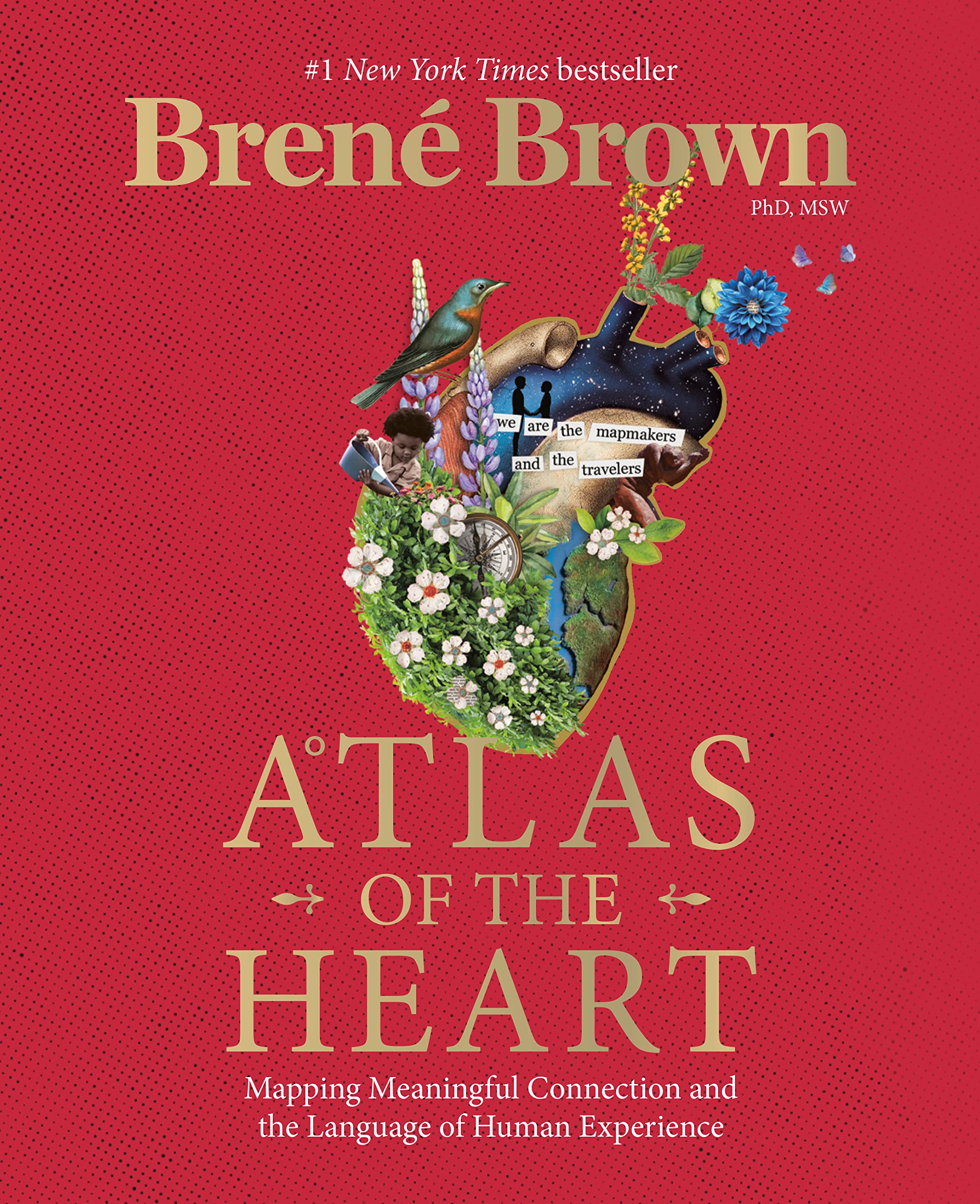
Book cover of Atlas of the Heart

Atlas of the Heart Summary

Meditation & Health

By Brené Brown

Random House · November 30, 2021

Summary

In the book Atlas of the Heart, Brené Brown, a well-known author and researcher, delves deep into the intricate realm of human emotions. She presents an 'atlas' that maps out a wide range of feelings, from the most common to the most elusive. Through her research and personal anecdotes, Brown explores how emotions shape our lives, relationships, and decision-making. The book is not just a theoretical exploration; it's a practical guide for anyone looking to better understand themselves and others. It offers tools and insights to help readers recognize, process, and express their emotions in healthy ways. Whether you're dealing with joy, sorrow, anger, or love, Atlas of the Heart provides a framework for navigating the emotional terrain. It encourages self-reflection and empathy, making it a valuable resource for personal growth and connection.

About the Author

BRENÉ BROWN is a renowned researcher and author. She specializes in the fields of courage, vulnerability, shame, and empathy. Her writing in *Atlas of the Heart* is insightful, empathetic, and combines research with real-life stories.

Chapters

1

Introduction to Emotional Awareness

Emotions are an integral part of our lives, yet they are often misunderstood and mismanaged. "Atlas of the Heart" delves deep into the complex landscape of human emotions, offering a comprehensive guide to understanding and navigating them. This book is a valuable resource for anyone looking to enhance their emotional intelligence and build more meaningful connections with others.In today's fast-paced world, we are constantly bombarded with information and distractions, which can make it difficult to tune in to our emotions. However, understanding our emotions is crucial for our mental and physical well-being. By learning to recognize and name our emotions, we can better manage them and make more informed decisions.

2

The Importance of Naming Emotions

One of the key concepts in the book is the power of naming emotions. When we can put a name to what we're feeling, it gives us a sense of control and clarity. For example, if we're feeling a jumble of negative emotions but can't quite identify them, it can feel overwhelming. But once we label them as, say, anxiety and disappointment, we can start to address them more effectively.Naming emotions also helps in communication. When we can clearly express how we feel to others, it reduces misunderstandings and builds stronger relationships. For instance, instead of just saying "I'm not happy," if we say "I'm feeling frustrated because my efforts aren't being recognized," the other person can better understand our situation and respond appropriately.

3

Mapping the Emotional Landscape

The book presents a detailed map of the emotional landscape, categorizing emotions into different groups. There are primary emotions like joy, sadness, anger, fear, and disgust. These are the basic building blocks of our emotional experiences.Then there are secondary emotions, which are more complex and often result from a combination of primary emotions. For example, jealousy can be a mix of fear, anger, and sadness. Understanding these different layers of emotions helps us to have a more nuanced view of our emotional states.This mapping also allows us to see how emotions are interconnected. For instance, feeling shame can often lead to feelings of isolation and self-doubt, which in turn can trigger anxiety. By understanding these connections, we can start to break the cycle of negative emotions.

4

Empathy and Emotional Connection

Empathy is a cornerstone of emotional intelligence. It involves being able to understand and share the feelings of others. In the book, empathy is explored in depth, highlighting its role in building relationships and creating a sense of community.When we practice empathy, we are better able to connect with others on a deeper level. We can offer support and comfort when they are going through difficult times. For example, if a friend is grieving, instead of offering trite advice, we can sit with them, listen to their story, and share in their pain.Empathy also helps in conflict resolution. By putting ourselves in the other person's shoes, we can better understand their perspective and find common ground. This can lead to more peaceful and productive interactions.

5

Vulnerability and Authenticity

Vulnerability is often seen as a weakness, but in reality, it is a strength. Being vulnerable means opening ourselves up to the possibility of hurt, but it also allows us to form deeper connections with others.When we are authentic and share our true selves, including our fears, insecurities, and dreams, we invite others to do the same. This creates an environment of trust and intimacy. For example, in a romantic relationship, being open about our flaws and insecurities can strengthen the bond between partners.However, being vulnerable is not easy. It requires courage and self-acceptance. We need to overcome the fear of judgment and rejection. The book provides strategies for embracing vulnerability and using it as a tool for personal growth.

5 more chapters available

Continue listening in the Spickor app — free download on the App Store.

Listen in App

Why Spickor?

At Spickor, we believe knowledge should have no paywalls. Every book summary can be unlocked for free by watching a short ad — or you can choose an ad-free subscription. Unlike other apps, there's no "1 book per day" free limit. Learn at your own pace, on your own terms.

FeatureSpickorBlinkistHeadway
Free accessAll books free via ad unlock1 book/day only1 book/day only
Book library2,200+ across 8 categories9,000+ (non-fiction only)2,000+ (personal growth focus)
Paid subscriptionNo forced subscription; ad-supportedRequired; from $99.99/yrRequired; from $89.99/yr
Audio for all summariesYesPremium onlyPremium only
Novels & fictionYesNoNo
PlatformsiOS (Android & Web in dev)iOS / Android / WebiOS / Android only

All Books, Truly Free

Unlock any book with a short ad. No daily limits, no hidden fees.

Listen for Free

Every summary includes high-quality audio. No "premium only" labels.

Beyond Self-Help

8 categories including business, technology, and novels.

Listen in App
7 m 59 s