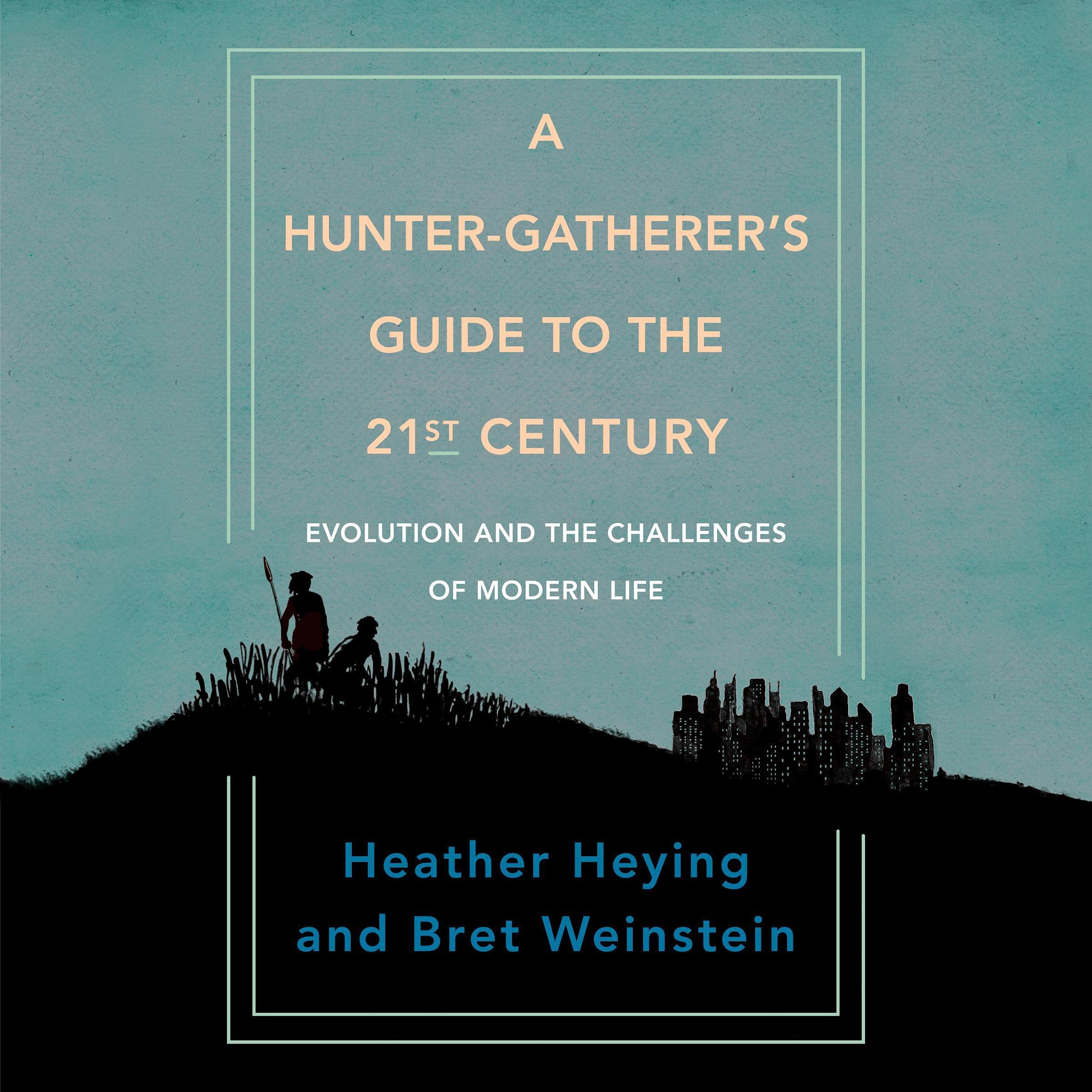
Book cover of A Hunter-Gatherer's Guide to the 21st Century

A Hunter-Gatherer's Guide to the 21st Century Summary

Technology & Science

By Heather Heying & Bret Weinstein

Penguin Audio · September 14, 2021

Summary

In 'A Hunter-Gatherer's Guide to the 21st Century', authors Heather Heying and Bret Weinstein embark on an extraordinary exploration. They delve into the ancient wisdom of hunter-gatherer societies and apply it to the challenges and opportunities of the 21st century. By examining the fundamental aspects of human nature and social structures from a pre-modern lens, the book provides valuable lessons on how to live a more balanced and fulfilling life in the modern world. It touches on various topics, such as physical health, mental well-being, and social dynamics. The authors use real-world examples and scientific research to support their claims, making the book both informative and engaging. Whether you are struggling with the hustle and bustle of city life or simply curious about the roots of human behavior, this book offers a fresh and thought-provoking perspective.

About the Author

Heather Heying and Bret Weinstein are evolutionary biologists. They write in the field of science and self-help. Their style combines scientific knowledge with practical advice, as seen in "A Hunter-Gatherer's Guide to the 21st Century".

Chapters

1

Introduction: Bridging the Past and Present

In "A Hunter-Gatherer's Guide to the 21st Century," Heather Heying and Bret Weinstein explore how the evolutionary heritage of hunter-gatherer societies can provide valuable insights for modern life. Our species spent the majority of its existence as hunter-gatherers, and many of our biological and psychological traits are deeply rooted in that lifestyle. Understanding these ancestral patterns can help us navigate the challenges of the 21st century, from health issues to social relationships.The modern world is vastly different from the environment in which our ancestors evolved. We live in cities, work long hours in offices, and have access to an abundance of processed foods. This disconnect from our evolutionary past has led to a variety of problems, such as obesity, mental health issues, and social isolation. By looking back at the hunter-gatherer way of life, we can find solutions to these contemporary problems.

2

The Hunter-Gatherer Lifestyle

Hunter-gatherer societies were nomadic, moving from place to place in search of food. They relied on a diverse diet that included wild plants, fruits, nuts, and game. This diet was rich in nutrients and low in processed sugars and fats, which is in stark contrast to the modern Western diet. In terms of social structure, hunter-gatherers lived in small, close-knit groups. These groups were based on kinship and cooperation. Everyone had a role to play, whether it was hunting, gathering, or taking care of the young. Social relationships were strong, and conflicts were usually resolved through negotiation and compromise.Hunter-gatherers also had a deep connection to nature. They understood the cycles of the seasons, the behavior of animals, and the properties of plants. This knowledge was passed down from generation to generation and was essential for their survival.

3

Diet and Health

The hunter-gatherer diet was well-balanced and highly nutritious. It consisted of whole, unprocessed foods that provided a wide range of vitamins, minerals, and antioxidants. For example, wild plants were a rich source of fiber, which is important for digestive health. Game meat was a good source of protein, and the fats in the meat were mostly healthy unsaturated fats.In contrast, the modern diet is often high in processed foods, refined sugars, and unhealthy fats. This has led to a rise in obesity, diabetes, and heart disease. By adopting some aspects of the hunter-gatherer diet, such as eating more whole foods and less processed junk, we can improve our health.Another important aspect of the hunter-gatherer diet is its variety. Hunter-gatherers ate a wide range of different foods, which helped ensure that they got all the nutrients they needed. In the modern world, many people have a very limited diet, relying on a few staple foods. This can lead to nutrient deficiencies.

4

Movement and Activity

Hunter-gatherers were constantly on the move. They walked long distances in search of food, and their daily activities involved a lot of physical exertion. This level of physical activity was essential for their survival and also had many health benefits.In the modern world, most people have sedentary jobs and spend a lot of time sitting. This lack of physical activity has contributed to a variety of health problems, such as back pain, obesity, and poor cardiovascular health. By incorporating more movement into our daily lives, like walking, running, or doing manual labor, we can improve our physical and mental well-being.Hunter-gatherers also engaged in play and physical games. These activities were not only fun but also helped to develop skills such as coordination, strength, and agility. In modern society, we often neglect the importance of play, especially as we get older. Reintroducing play into our lives can have a positive impact on our overall health.

5

Social Relationships

In hunter-gatherer societies, social relationships were the foundation of their way of life. People lived in small groups where everyone knew each other well. They relied on each other for support, whether it was for food, protection, or emotional comfort.In the modern world, social isolation has become a major problem. Many people live in large cities and have limited social interactions. This can lead to feelings of loneliness and depression. By learning from the hunter-gatherer model, we can focus on building strong, meaningful relationships.Hunter-gatherers had a sense of community and shared responsibility. They worked together to achieve common goals, such as hunting and gathering food. In modern society, we can apply this concept by participating in community activities, volunteering, and building relationships with our neighbors.

5 more chapters available

Continue listening in the Spickor app — free download on the App Store.

Listen in App

Why Spickor?

At Spickor, we believe knowledge should have no paywalls. Every book summary can be unlocked for free by watching a short ad — or you can choose an ad-free subscription. Unlike other apps, there's no "1 book per day" free limit. Learn at your own pace, on your own terms.

FeatureSpickorBlinkistHeadway
Free accessAll books free via ad unlock1 book/day only1 book/day only
Book library2,200+ across 8 categories9,000+ (non-fiction only)2,000+ (personal growth focus)
Paid subscriptionNo forced subscription; ad-supportedRequired; from $99.99/yrRequired; from $89.99/yr
Audio for all summariesYesPremium onlyPremium only
Novels & fictionYesNoNo
PlatformsiOS (Android & Web in dev)iOS / Android / WebiOS / Android only

All Books, Truly Free

Unlock any book with a short ad. No daily limits, no hidden fees.

Listen for Free

Every summary includes high-quality audio. No "premium only" labels.

Beyond Self-Help

8 categories including business, technology, and novels.

Listen in App
9 m 04 s