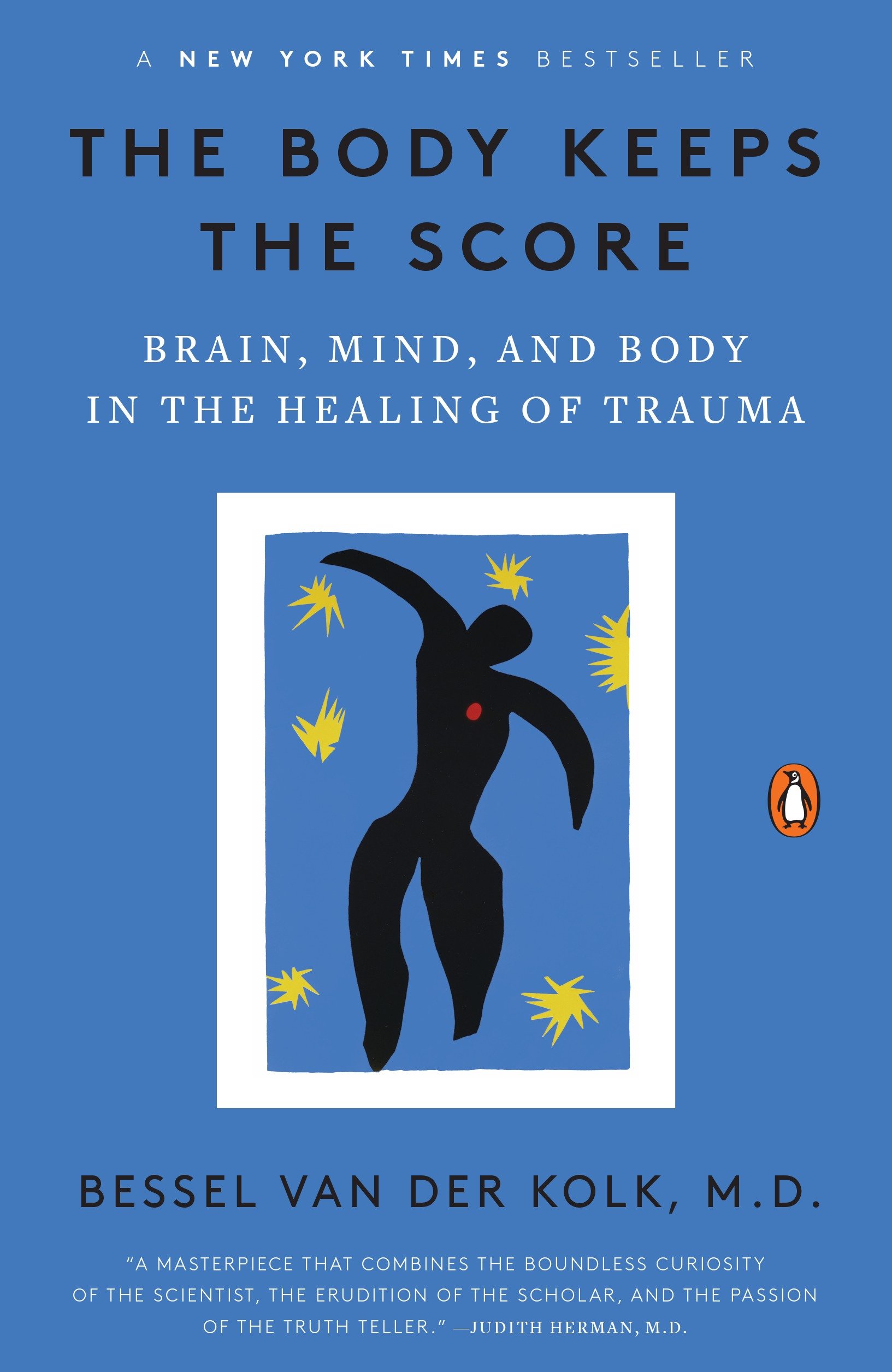
Book cover of The Body Keeps the Score

The Body Keeps the Score Summary

Meditation & Health

By Bessel van der Kolk

Penguin Books · September 25, 2014

Summary

The Body Keeps the Score, written by Bessel van der Kolk, is a revolutionary exploration of the profound connection between the body and the mind in the context of trauma. Van der Kolk, a leading expert in the field of trauma, presents compelling evidence that the body retains the imprints of traumatic events, often manifesting in physical symptoms, emotional distress, and behavioral issues. Drawing on his extensive clinical experience and the latest scientific research, the author takes readers on a journey through the complex mechanisms of trauma and its impact on our lives. He introduces innovative approaches to treating trauma, including somatic experiencing, neurofeedback, and mindfulness-based therapies, which have shown remarkable results in helping individuals overcome the long-lasting effects of trauma. This book is not only a valuable resource for mental health professionals but also a beacon of hope for anyone who has experienced trauma. It provides a deeper understanding of the human body's response to adversity and offers practical strategies for healing and reclaiming one's life. Whether you are a survivor of trauma, a caregiver, or simply interested in the science of the mind-body connection, The Body Keeps the Score is a must-read that will change the way you think about trauma and recovery.

About the Author

Bessel van der Kolk is a renowned psychiatrist. He specializes in trauma research and treatment. His writing in "The Body Keeps the Score" is insightful, blending scientific knowledge with real-life cases, offering a profound understanding of trauma.

Chapters

1

Introduction to Trauma and Its Impact

Trauma is not just an event in the past; it has a profound and lasting impact on the body and mind. Trauma can result from various experiences such as war, abuse, violence, and accidents. When a person goes through a traumatic event, the body's natural response systems are thrown out of balance. The fight-flight-freeze response, which is a normal survival mechanism, can become hyper-activated or dysregulated.This dysregulation can lead to a wide range of problems. People who have experienced trauma often have difficulty regulating their emotions. They may be overly reactive, getting angry or scared easily, or they may be emotionally numb. Physically, trauma can manifest as chronic pain, digestive problems, and sleep disorders. The body seems to hold onto the memory of the trauma, and these physical symptoms are a way of expressing it.In society, the effects of trauma are often overlooked. Many people who have been through trauma are misdiagnosed with other mental health conditions because the connection between their symptoms and the past trauma is not recognized. Understanding the true nature of trauma is the first step in helping those who are suffering from its aftermath.
2

The Brain's Response to Trauma

The brain is significantly affected by trauma. The amygdala, which is responsible for processing emotions and detecting threats, becomes overactive in trauma survivors. It is constantly on high alert, looking for signs of danger even in safe situations. This hyper-vigilance can make it difficult for survivors to relax and feel at ease.On the other hand, the prefrontal cortex, which is involved in rational thinking, decision-making, and emotional regulation, may be less active. This means that trauma survivors may have trouble thinking clearly and controlling their emotions. They might act impulsively or have difficulty making good decisions.The hippocampus, which is important for memory formation and recall, can also be damaged by trauma. This can lead to problems with memory, such as flashbacks, where the person relives the traumatic event as if it were happening again. Flashbacks can be triggered by various things, like certain sights, sounds, or smells that are associated with the trauma.The brain's neural pathways are also altered by trauma. New connections are formed in response to the traumatic experience, and old ones may be weakened. These changes can make it difficult for the brain to function normally, and they contribute to the long-term effects of trauma.

3

The Body's Role in Trauma

The body plays a crucial role in trauma. When a person experiences trauma, the body's stress response systems are activated. The sympathetic nervous system, which is responsible for the fight-flight response, releases stress hormones like adrenaline and cortisol. In normal situations, these hormones help the body deal with immediate threats. But in trauma survivors, the body may continue to produce these hormones at high levels for a long time.This constant activation of the stress response can lead to physical problems. For example, high levels of cortisol can weaken the immune system, making the person more susceptible to illnesses. It can also cause problems with the cardiovascular system, increasing the risk of heart disease.The body also has a proprioceptive sense, which is the awareness of one's body position and movement. Trauma can disrupt this sense, making survivors feel disconnected from their bodies. They may have a hard time feeling comfortable in their own skin or may engage in self-destructive behaviors as a way to try to regain control.In addition, the body's posture and movement patterns can change after trauma. Some survivors may hunch their shoulders or walk in a way that shows they are constantly on guard. These physical changes can reinforce the emotional and psychological effects of trauma.

4

Trauma and Social Connection

Trauma can have a significant impact on a person's ability to form and maintain social connections. When someone experiences trauma, they may feel isolated and alone. They may be afraid to share their experiences with others because they fear being judged or not understood.This isolation can further exacerbate the effects of trauma. Social support is an important part of the healing process. When people have strong social connections, they are more likely to feel safe and supported. They can share their feelings and experiences with others, which can help them process the trauma.However, trauma can also change a person's social behavior. Some survivors may become withdrawn and avoid social situations altogether. Others may be overly clingy or have a hard time setting boundaries in relationships. These changes in social behavior can make it difficult for them to form healthy relationships.In addition, the way trauma is perceived in society can also affect social connections. There is often a stigma associated with trauma, especially in cases of sexual abuse or mental health issues. This stigma can prevent survivors from seeking help and can further isolate them from their communities.

5

Treatments for Trauma

There are several different treatments available for trauma. One of the most well-known is talk therapy. Cognitive-behavioral therapy (CBT) is often used to help trauma survivors. CBT focuses on changing negative thought patterns and behaviors. It helps survivors identify and challenge the irrational beliefs they may have developed as a result of the trauma.Another type of talk therapy is eye movement desensitization and reprocessing (EMDR). This therapy involves having the patient recall the traumatic event while following the therapist's hand movements with their eyes. The theory behind EMDR is that it helps the brain process the traumatic memory in a more adaptive way.In addition to talk therapy, there are also body-based therapies. Somatic experiencing is one such therapy. It focuses on helping the body release the pent-up energy and tension associated with trauma. Through gentle movements and awareness exercises, survivors learn to reconnect with their bodies and regulate their stress responses.Medication can also be used to treat the symptoms of trauma. Antidepressants and anti-anxiety medications may be prescribed to help with mood and sleep problems. However, medication is usually used in combination with therapy, as it does not address the root cause of the trauma.

5 more chapters available

Continue listening in the Spickor app — free download on the App Store.

Listen in App

Why Spickor?

At Spickor, we believe knowledge should have no paywalls. Every book summary can be unlocked for free by watching a short ad — or you can choose an ad-free subscription. Unlike other apps, there's no "1 book per day" free limit. Learn at your own pace, on your own terms.

FeatureSpickorBlinkistHeadway
Free accessAll books free via ad unlock1 book/day only1 book/day only
Book library2,200+ across 8 categories9,000+ (non-fiction only)2,000+ (personal growth focus)
Paid subscriptionNo forced subscription; ad-supportedRequired; from $99.99/yrRequired; from $89.99/yr
Audio for all summariesYesPremium onlyPremium only
Novels & fictionYesNoNo
PlatformsiOS (Android & Web in dev)iOS / Android / WebiOS / Android only

All Books, Truly Free

Unlock any book with a short ad. No daily limits, no hidden fees.

Listen for Free

Every summary includes high-quality audio. No "premium only" labels.

Beyond Self-Help

8 categories including business, technology, and novels.

Listen in App
12 m 44 s