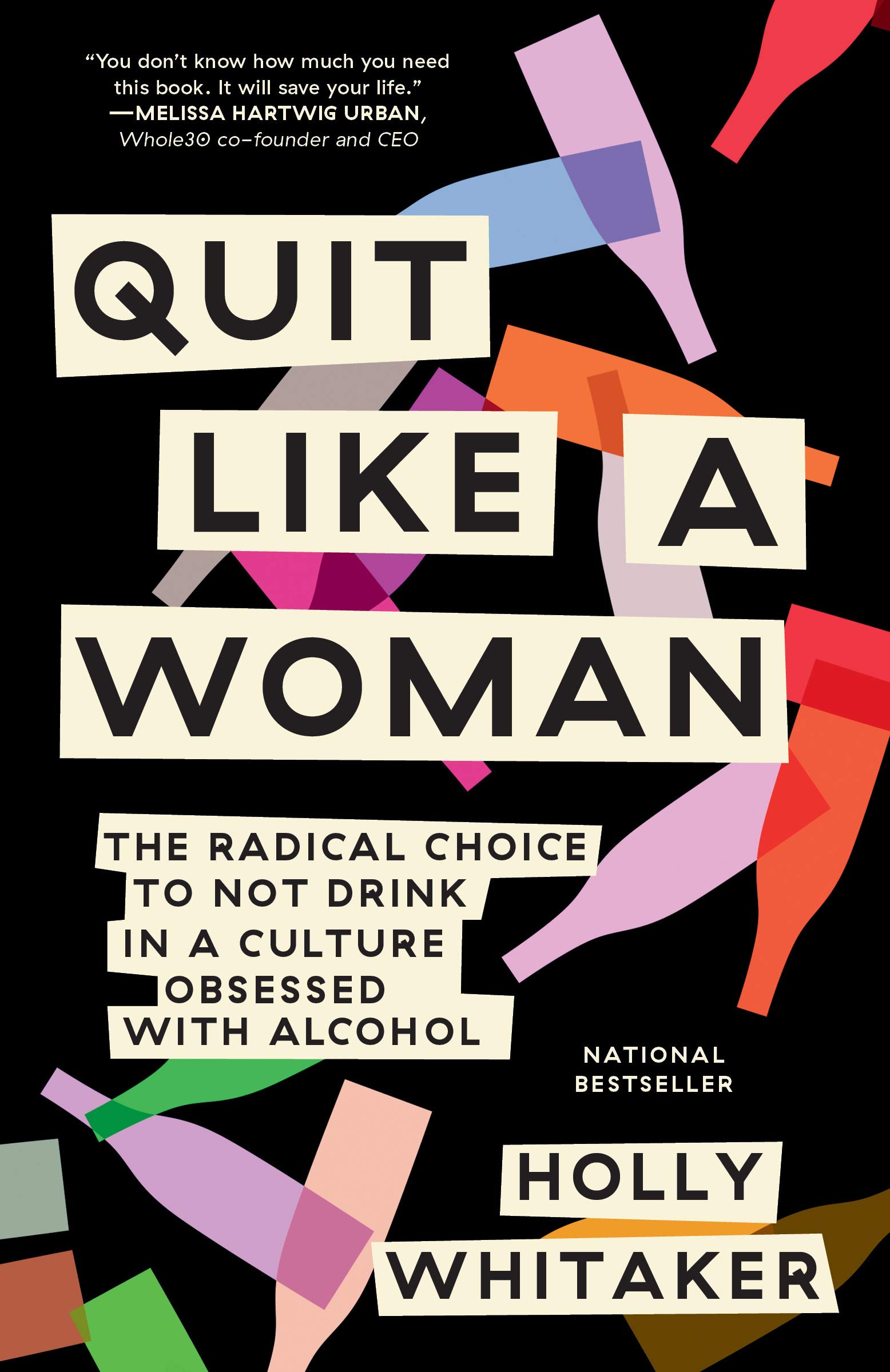
Book cover of Quit Like a Woman

Quit Like a Woman Summary

Meditation & Health

By Holly Whitaker

The Dial Press · December 31, 2019

Summary

'Quit Like a Woman' by Holly Whitaker is a groundbreaking book that addresses the often-overlooked issues of women and alcohol. In a society where drinking is sometimes seen as a social norm, Whitaker delves into the reasons why many women find themselves relying on alcohol. She challenges the traditional views of sobriety and presents a new perspective that takes into account the biological, psychological, and social factors unique to women. Through real-life stories and evidence-based research, the book offers practical tools and strategies for women who want to quit or reduce their alcohol consumption. It's not just about giving up a habit; it's about reclaiming one's life, health, and happiness. Whether you're considering quitting or just want to understand the impact of alcohol on women better, this book is a must-read.

About the Author

Holly Whitaker is an author specializing in self-help and addiction recovery. Her writing in "Quit Like a Woman" is straightforward and empathetic, offering practical advice and inspiring stories to empower women.

Chapters

1

Introduction to the Journey of Quitting Alcohol

Embarking on the journey of quitting alcohol is a significant and often challenging decision. In "Quit Like a Woman," Holly Whitaker offers a fresh perspective on this process, specifically tailored to women. The book challenges the traditional views of alcohol use and presents a new way of thinking about sobriety.Alcohol has long been a part of social and cultural norms. It is often seen as a way to relax, socialize, and celebrate. However, for many women, alcohol can become a problem, leading to physical, mental, and emotional issues. Whitaker argues that the standard approach to quitting alcohol, which is often based on a male-centered model, doesn't fully address the unique experiences and needs of women.The book aims to empower women to take control of their relationship with alcohol. It provides a framework for understanding why women drink, the impact of alcohol on their lives, and how to break free from the cycle of dependence. By the end of the journey, women can achieve a more fulfilling and healthy life without relying on alcohol.

2

Understanding the Female Relationship with Alcohol

Women's relationship with alcohol is complex and influenced by various factors. Socially, alcohol is often used as a lubricant in social situations. It is common to see women using alcohol to fit in, reduce social anxiety, or enhance the enjoyment of an event. For example, at a girls' night out, a glass of wine is almost expected.Culturally, alcohol is deeply ingrained in many societies. Advertisements often portray alcohol as a symbol of sophistication, relaxation, and fun. Women are bombarded with images of glamorous women enjoying a glass of champagne or a cocktail, creating a sense that alcohol is an essential part of a successful and enjoyable life.Biologically, women are more vulnerable to the effects of alcohol. Their bodies process alcohol differently than men's. Women have less water in their bodies, which means that alcohol is more concentrated in their bloodstream. This can lead to a quicker onset of intoxication and more severe hangovers.Psychologically, alcohol can be used as a coping mechanism. Women may turn to alcohol to deal with stress, anxiety, depression, or other emotional issues. However, this is often a short-term solution that can lead to long-term problems.

3

The Myths of Alcohol and Sobriety

There are many myths surrounding alcohol and sobriety. One common myth is that you have to be an "alcoholic" to quit drinking. This is a narrow and stigmatizing view. Many women who are not considered alcoholics in the traditional sense can still benefit from quitting or reducing their alcohol consumption.Another myth is that sobriety means a boring and unfulfilling life. In reality, sobriety can open up new opportunities for personal growth, better health, and more meaningful relationships. Without the fog of alcohol, women can experience a clearer mind, more energy, and a deeper connection with themselves and others.Some also believe that alcohol is necessary for socializing. But in fact, there are many ways to socialize without alcohol. You can enjoy activities like going to the movies, taking a hike, or having a coffee with friends.The myth that quitting alcohol is impossible or extremely difficult is also prevalent. While it can be challenging, with the right support and strategies, it is entirely achievable. Many women have successfully quit alcohol and have found a new sense of freedom and well-being.

4

The Impact of Alcohol on Women's Health

Alcohol has a significant impact on women's health. Physically, it can lead to a range of problems. It increases the risk of breast cancer, liver disease, and heart problems. Women who drink regularly are more likely to develop high blood pressure, which can lead to strokes and other cardiovascular issues.Mentally, alcohol can contribute to depression and anxiety. It can disrupt sleep patterns, leading to fatigue and a decrease in cognitive function. Alcohol can also affect a woman's self-esteem and body image. Women may feel more self-conscious and less confident when under the influence of alcohol.Emotionally, alcohol can mask underlying emotional issues. Instead of dealing with problems head-on, women may use alcohol as a way to numb their feelings. This can prevent them from developing healthy coping mechanisms and lead to a cycle of emotional instability.In addition, alcohol can have a negative impact on a woman's reproductive health. It can affect fertility, increase the risk of miscarriage, and cause problems during pregnancy.

5

Strategies for Quitting Alcohol

Quitting alcohol requires a combination of strategies. First, it's important to set clear goals. Decide whether you want to quit completely or reduce your consumption. Having a specific goal will give you a sense of direction and motivation.Next, create a support system. This can include friends, family, or a support group. Sharing your journey with others who understand can provide encouragement and accountability. You can also consider working with a therapist or coach who specializes in alcohol cessation.Another strategy is to identify and avoid triggers. Triggers are situations, people, or emotions that make you want to drink. For example, if going to a certain bar always makes you want to have a drink, try to avoid that place. Replace the old habits associated with alcohol with new, healthy ones. You can take up a new hobby, such as yoga or painting, to fill the time and provide a positive outlet.It's also important to take care of your physical and mental health. Eat a balanced diet, get enough sleep, and exercise regularly. These healthy habits can help reduce cravings and improve your overall well-being.

5 more chapters available

Continue listening in the Spickor app — free download on the App Store.

Listen in App

Why Spickor?

At Spickor, we believe knowledge should have no paywalls. Every book summary can be unlocked for free by watching a short ad — or you can choose an ad-free subscription. Unlike other apps, there's no "1 book per day" free limit. Learn at your own pace, on your own terms.

FeatureSpickorBlinkistHeadway
Free accessAll books free via ad unlock1 book/day only1 book/day only
Book library2,200+ across 8 categories9,000+ (non-fiction only)2,000+ (personal growth focus)
Paid subscriptionNo forced subscription; ad-supportedRequired; from $99.99/yrRequired; from $89.99/yr
Audio for all summariesYesPremium onlyPremium only
Novels & fictionYesNoNo
PlatformsiOS (Android & Web in dev)iOS / Android / WebiOS / Android only

All Books, Truly Free

Unlock any book with a short ad. No daily limits, no hidden fees.

Listen for Free

Every summary includes high-quality audio. No "premium only" labels.

Beyond Self-Help

8 categories including business, technology, and novels.

Listen in App
10 m 59 s