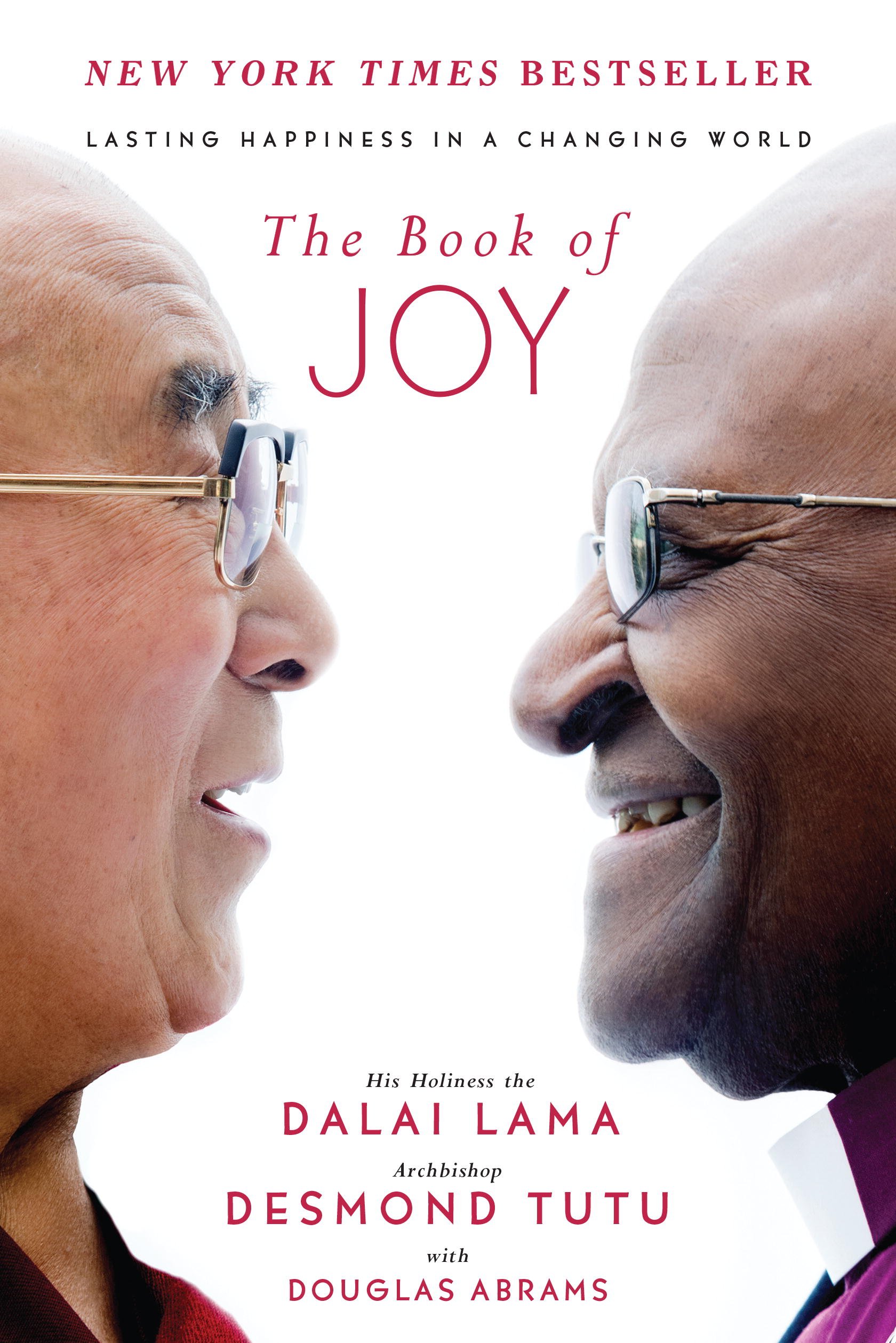
Book cover of The Book of Joy

The Book of Joy Summary

Meditation & Health

By Dalai Lama

Avery · September 20, 2016

Summary

The Book of Joy is a profound and inspiring book that brings together the wisdom of the Dalai Lama and Desmond Tutu. These two remarkable leaders, who have faced great adversity in their lives, come together to share their thoughts on the nature of joy and how to find it in the midst of suffering. The book is based on a week-long dialogue between the two, facilitated by Douglas Carlton Abrams. In the conversations, they discuss various aspects of joy, such as the importance of forgiveness, compassion, and gratitude. They also touch on how to deal with anger, fear, and other negative emotions. The Dalai Lama and Tutu offer practical advice and real-life examples to illustrate their points. Whether you're going through a difficult time or simply looking to enhance your overall well-being, this book provides valuable insights that can be applied to your daily life. It's a reminder that joy is not just a fleeting emotion but a state of being that can be cultivated and sustained.

About the Author

Dalai Lama, a spiritual leader, Desmond Tutu, a Nobel laureate, and Douglas Carlton Abrams, an author, co-wrote "The Book of Joy". Their writing combines spiritual wisdom with real-life insights, presenting a warm and profound style.

Chapters

1

Introduction to Joy

Joy is a profound and transformative emotion that goes beyond mere happiness. It is a state of being that can be cultivated and sustained, even in the face of life's challenges. In "The Book of Joy," the Dalai Lama and Desmond Tutu, two spiritual leaders with a wealth of wisdom and experience, come together to share their insights on how to find and nurture joy in our lives.The book is based on a week-long dialogue between the Dalai Lama and Desmond Tutu, facilitated by Douglas Carlton Abrams. During this dialogue, they discuss various aspects of joy, including its nature, causes, and how it can be integrated into our daily lives. The goal is to provide practical guidance for readers to lead more joyful and meaningful lives.


2

The Nature of Joy

Joy is not just a fleeting feeling of pleasure. It is a deep-seated sense of well-being and contentment that comes from within. It is different from happiness, which is often dependent on external circumstances. Joy can coexist with pain and suffering, and it is a choice we can make regardless of our situation.The Dalai Lama and Desmond Tutu emphasize that joy is a fundamental human right. Everyone has the potential to experience joy, regardless of their background, social status, or life circumstances. It is an essential part of our emotional and spiritual health.To understand the nature of joy, we need to look at its components. Joy is often associated with positive emotions such as love, compassion, and gratitude. It also involves a sense of connection with others and with the world around us. When we experience joy, we are more likely to be open-hearted, kind, and empathetic.

3

The Causes of Joy

There are several factors that contribute to the experience of joy. One of the most important is the cultivation of positive emotions. Loving-kindness and compassion towards others can bring a deep sense of joy. When we reach out to help those in need, we not only make a difference in their lives but also experience a profound sense of fulfillment.Gratitude is another key factor in experiencing joy. By focusing on the things we have rather than what we lack, we can shift our perspective and find joy in the present moment. Expressing gratitude for the small things in life, such as a beautiful sunset or a kind word from a friend, can have a powerful impact on our well-being.Inner peace is also crucial for joy. When our minds are calm and free from excessive worry and stress, we are more likely to experience joy. Practices such as meditation and mindfulness can help us achieve this inner peace. By being present in the moment and accepting things as they are, we can reduce our anxiety and open ourselves up to the experience of joy.

4

Overcoming Obstacles to Joy

In our lives, there are many obstacles that can prevent us from experiencing joy. One of the most common is negative emotions such as anger, hatred, and jealousy. These emotions can cloud our minds and prevent us from seeing the good in the world. To overcome these obstacles, we need to learn to manage our emotions effectively.The Dalai Lama and Desmond Tutu suggest that we practice forgiveness. Holding onto grudges and resentment only hurts ourselves in the long run. By forgiving others, we free ourselves from the burden of negative emotions and open the door to joy.Another obstacle to joy is the pursuit of material possessions. Many people believe that having more money, a bigger house, or a better car will bring them happiness and joy. However, research has shown that once our basic needs are met, the pursuit of material wealth does not necessarily lead to greater well-being. We need to shift our focus from external possessions to internal qualities such as kindness, compassion, and wisdom.

5

The Role of Relationships in Joy

Our relationships with others play a significant role in our experience of joy. Positive relationships with family, friends, and the community can provide a sense of belonging and support. When we feel connected to others, we are more likely to experience joy.The Dalai Lama and Desmond Tutu emphasize the importance of building strong relationships based on love, respect, and understanding. We should strive to be kind and empathetic towards others, and to listen to their needs. By being present for others and offering support, we can create a positive and joyful environment.In addition, we should also learn to deal with conflicts in our relationships in a healthy way. Instead of getting angry or defensive, we should try to understand the other person's perspective and find a solution that works for both parties. By resolving conflicts peacefully, we can strengthen our relationships and increase our experience of joy.

5 more chapters available

Continue listening in the Spickor app — free download on the App Store.

Listen in App

Why Spickor?

At Spickor, we believe knowledge should have no paywalls. Every book summary can be unlocked for free by watching a short ad — or you can choose an ad-free subscription. Unlike other apps, there's no "1 book per day" free limit. Learn at your own pace, on your own terms.

FeatureSpickorBlinkistHeadway
Free accessAll books free via ad unlock1 book/day only1 book/day only
Book library2,200+ across 8 categories9,000+ (non-fiction only)2,000+ (personal growth focus)
Paid subscriptionNo forced subscription; ad-supportedRequired; from $99.99/yrRequired; from $89.99/yr
Audio for all summariesYesPremium onlyPremium only
Novels & fictionYesNoNo
PlatformsiOS (Android & Web in dev)iOS / Android / WebiOS / Android only

All Books, Truly Free

Unlock any book with a short ad. No daily limits, no hidden fees.

Listen for Free

Every summary includes high-quality audio. No "premium only" labels.

Beyond Self-Help

8 categories including business, technology, and novels.

Listen in App
9 m 28 s