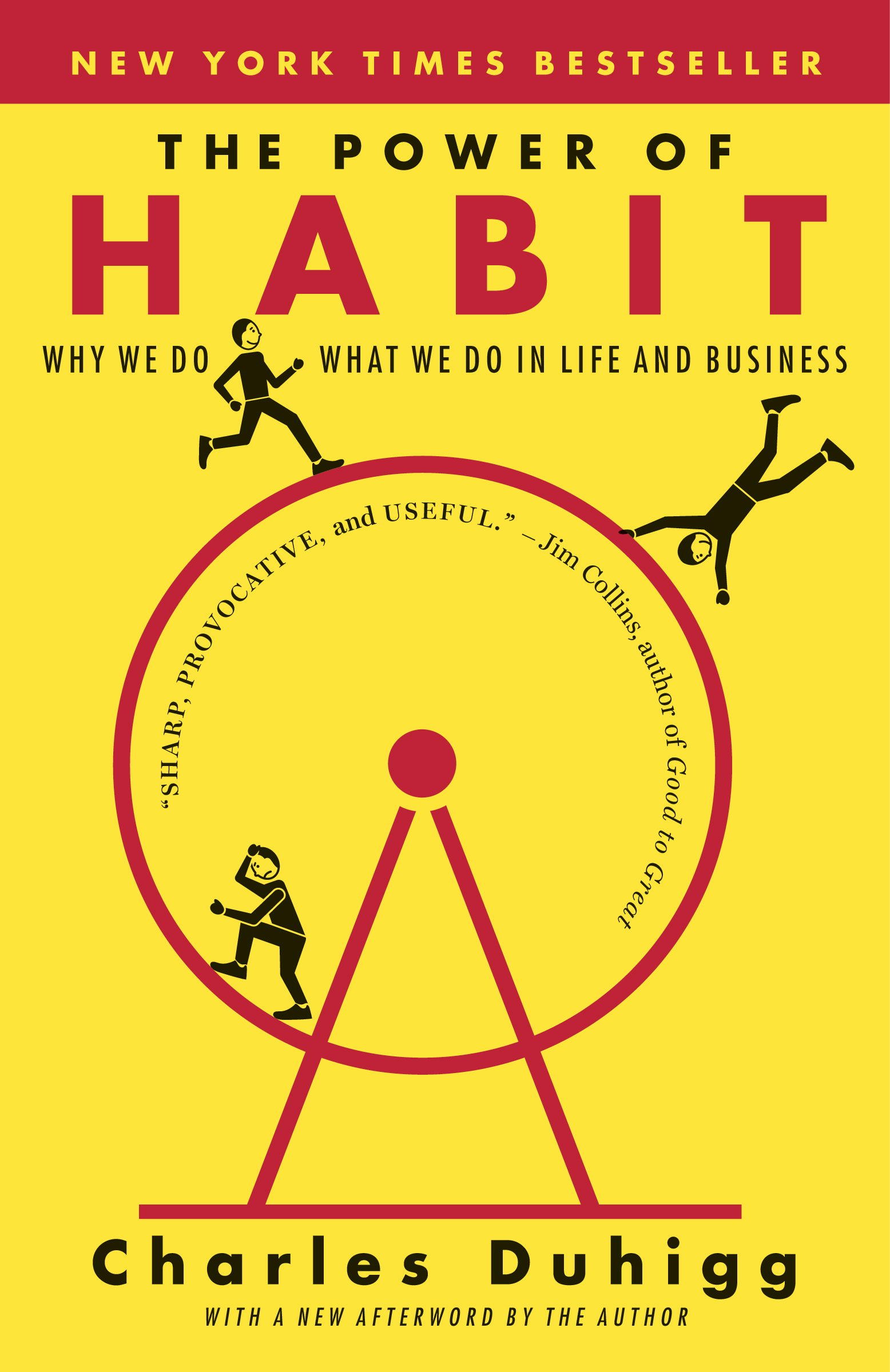
Book cover of The Power of Habit

The Power of Habit Summary

Meditation & Health

By Charles Duhigg

Random House · February 28, 2012

Summary

In The Power of Habit, Charles Duhigg takes readers on a fascinating journey into the world of habits. Drawing on extensive research and real-life examples, he explains how habits are formed in our brains and how they influence our daily actions. Duhigg shows that habits can be both beneficial and harmful. By understanding the three-step loop of cue, routine, and reward, we can take control of our habits. He provides practical advice on how to break bad habits and build good ones. In the business world, habits can drive success, and in our personal lives, they can lead to better health and relationships. This book is not just about theory; it offers actionable steps for anyone looking to improve their lives. It's a must-read for those who want to understand the hidden forces that shape our behavior.

About the Author

Charles Duhigg is a Pulitzer Prize-winning journalist. He focuses on business and behavioral science. His writing in "The Power of Habit" is clear, combining research with real-life examples, making complex ideas accessible.

Chapters

1

Introduction to Habits

Habits are an integral part of our lives. They are the routines and behaviors that we perform almost automatically, often without much conscious thought. These habits can range from simple daily actions like brushing our teeth to more complex patterns of behavior that influence our health, work, and relationships. Understanding how habits work is crucial because they shape a significant portion of our daily lives. By learning to control and change our habits, we can improve our overall well-being, achieve our goals, and become more productive.Habits are not just random actions; they follow a specific neurological pattern. The brain is wired to conserve energy, and habits are a way for it to do so. Once a habit is formed, the brain can perform the associated actions with less mental effort. This is why we can drive to work on autopilot or make a cup of coffee without really thinking about each step.

2

The Habit Loop

The habit loop is the fundamental structure of a habit. It consists of three parts: the cue, the routine, and the reward. The cue is the trigger that tells the brain to go into automatic mode and initiate the habit. It can be a time of day, a location, an emotional state, or even a particular person. For example, if you always have a snack when you get home from work, the act of arriving home is the cue.The routine is the behavior itself. It's the action that you perform in response to the cue. In the snack-example, the routine is getting the snack from the pantry and eating it.The reward is what your brain gets out of the habit. It can be a physical pleasure, like the taste of the snack, or an emotional one, such as a feeling of relaxation. The reward reinforces the habit, making the brain more likely to repeat the behavior when the same cue appears in the future.To change a habit, one must understand and manipulate this loop. By changing the routine while keeping the cue and the reward intact, it's possible to replace an unwanted habit with a more beneficial one.

3

The Power of Keystone Habits

Keystone habits are habits that have a disproportionate impact on other areas of our lives. They are like the keystone in an arch, which holds the entire structure together. When we change a keystone habit, it can lead to a cascade of positive changes in other aspects of our lives.For example, exercise is often a keystone habit. People who start exercising regularly tend to make other positive changes as well. They may eat healthier, sleep better, and be more productive at work. This is because exercise not only has physical benefits but also affects our mental state and self-discipline.Identifying keystone habits in our lives can be a powerful way to initiate large-scale change. By focusing on these key habits, we can create a domino effect that leads to a more positive and productive lifestyle.

4

How Companies Use Habits

Companies are well-aware of the power of habits and use this knowledge to their advantage. They design products and services to create habits in consumers. For example, social media platforms are designed to trigger certain cues in users, such as notifications. These cues prompt users to engage with the platform, which is the routine. The reward can be the likes, comments, or new information that users receive.By creating these habit loops, companies can increase user engagement and loyalty. They also invest in research to understand how to make their products more habit-forming. For instance, food companies study the combination of salt, sugar, and fat to create products that are highly addictive.However, this also raises ethical questions. Consumers need to be aware of these tactics and make informed decisions about their consumption habits.

5

Habits in the Workplace

Habits play a crucial role in the workplace. Good work habits can lead to increased productivity, better job performance, and career advancement. For example, having a habit of starting work early and organizing tasks efficiently can make an employee more successful.On the other hand, bad habits can be detrimental. Procrastination is a common bad habit in the workplace. It can lead to missed deadlines, increased stress, and lower-quality work.Companies can encourage good work habits by creating a positive work environment. This can include providing clear goals, offering training, and rewarding employees for good performance. Employees, on the other hand, can take steps to break bad habits and develop more productive ones.

5 more chapters available

Continue listening in the Spickor app — free download on the App Store.

Listen in App

Why Spickor?

At Spickor, we believe knowledge should have no paywalls. Every book summary can be unlocked for free by watching a short ad — or you can choose an ad-free subscription. Unlike other apps, there's no "1 book per day" free limit. Learn at your own pace, on your own terms.

FeatureSpickorBlinkistHeadway
Free accessAll books free via ad unlock1 book/day only1 book/day only
Book library2,200+ across 8 categories9,000+ (non-fiction only)2,000+ (personal growth focus)
Paid subscriptionNo forced subscription; ad-supportedRequired; from $99.99/yrRequired; from $89.99/yr
Audio for all summariesYesPremium onlyPremium only
Novels & fictionYesNoNo
PlatformsiOS (Android & Web in dev)iOS / Android / WebiOS / Android only

All Books, Truly Free

Unlock any book with a short ad. No daily limits, no hidden fees.

Listen for Free

Every summary includes high-quality audio. No "premium only" labels.

Beyond Self-Help

8 categories including business, technology, and novels.

Listen in App
9 m 15 s