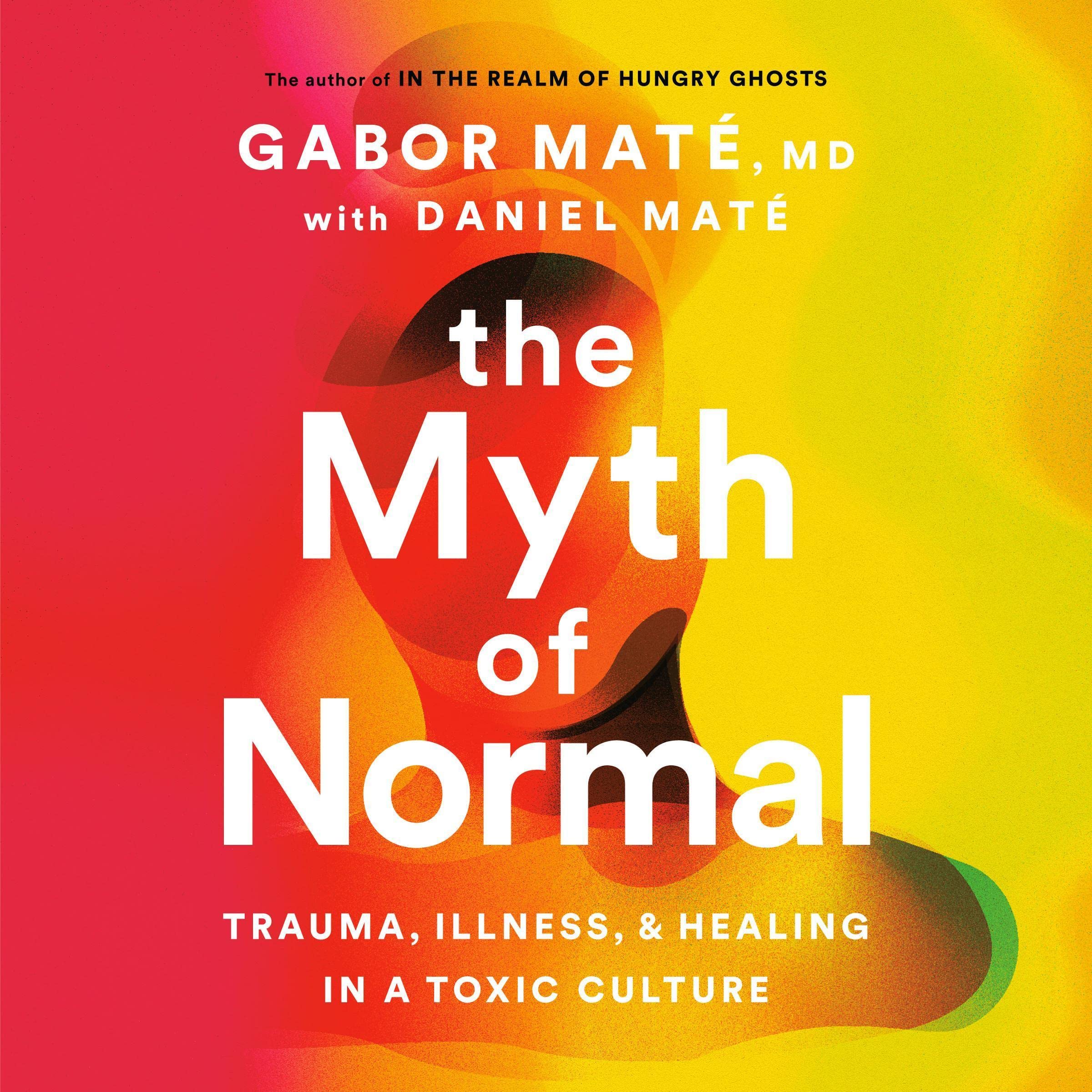
Book cover of The Myth of Normal

The Myth of Normal Summary

Meditation & Health

By Gabor Maté & Daniel Maté

Penguin Audio · September 13, 2022

Summary

In The Myth of Normal, Gabor Maté and Daniel Maté embark on a profound exploration of the concept of 'normal' in contemporary society. They question the widely-accepted standards and norms that govern our lives, arguing that what we often consider normal may be contributing to a range of physical, mental, and emotional problems. Through in-depth analysis and real-life case studies, the authors show how factors like stress, social expectations, and cultural norms can have detrimental effects on our well-being. They draw on scientific research from fields such as psychology, neuroscience, and sociology to support their claims. This book is not just a critique; it also offers insights into how we can break free from the shackles of the so-called normal and strive for a more authentic and healthy existence. It encourages readers to re-evaluate their lives and make positive changes based on a deeper understanding of themselves and the world around them. Whether you're struggling with personal health issues or simply looking to gain a new perspective on modern life, The Myth of Normal provides valuable food for thought.

About the Author

Gabor Maté and Daniel Maté are well-known authors. They focus on exploring human psychology and social issues. Their writing style in "The Myth of Normal" is incisive, blending research with real-life examples to offer profound insights.

Chapters

1

Introduction: Challenging the Notion of Normal

The idea of "normal" often goes unchallenged in society. We tend to accept the prevailing norms as standard, whether it comes to mental health, lifestyle, or social behavior. However, this book, *The Myth of Normal*, posits that what we consider normal is often a result of societal conditioning and may not be truly healthy or beneficial for us. It challenges the status-quo and urges us to question the assumptions underlying our so-called "normal" lives.In modern society, normal is associated with high-stress jobs, sedentary lifestyles, and a constant pursuit of material possessions. But this normal may be leading to widespread mental and physical health problems. For example, the high-pressure work environment that is considered normal can cause chronic stress, which in turn is linked to a variety of health issues like heart disease, depression, and anxiety. By starting to question the normal, we open the door to a more authentic and healthy way of living.

2

The Impact of Trauma on Normalcy

Trauma is a hidden factor that significantly shapes what we perceive as normal. Trauma can be both large-scale, such as war or natural disasters, and small-scale, like childhood emotional abuse or neglect. When we experience trauma, our brains and bodies adapt in ways that become ingrained in our behavior and beliefs.These adaptations then get incorporated into our idea of normal. For instance, a person who grows up in an environment where emotional outbursts are common may view this kind of volatile atmosphere as normal. As adults, they may replicate similar patterns in their relationships or have difficulty in more stable and nurturing environments. Moreover, the effects of trauma are not just psychological. Trauma can also have long-term physiological impacts. It can disrupt the body's stress-response system, leading to increased inflammation, weakened immune function, and hormonal imbalances. This shows how deeply trauma is intertwined with our understanding of normal and how it affects our overall well-being.

3

Mental Health in a "Normal" Society

In a society that has set certain standards of normal, mental health is often misunderstood and mismanaged. The so-called normal way of dealing with mental health issues is often through quick-fix solutions like medication, without addressing the root causes. Many people are labeled with mental health disorders based on symptoms that are considered abnormal in the context of the normal. However, these symptoms may actually be the body and mind's natural responses to the abnormal conditions in which we live. For example, depression may be a sign that a person is in an unfulfilling job or a toxic relationship. The current mental health system also fails to recognize the social and environmental factors that contribute to mental illness. Instead of looking at the broader picture, it focuses on individual pathology. This narrow view perpetuates the myth of normal, as it assumes that there is a standard way of being mentally healthy, ignoring the diverse experiences and needs of individuals.

4

The Role of Social and Cultural Norms

Social and cultural norms play a huge role in defining what is normal. These norms are passed down from generation to generation and are reinforced through various social institutions such as family, school, and the media. For example, in some cultures, it is normal to prioritize the needs of the family over the individual. While this can have positive aspects like strong family bonds, it can also lead to individuals suppressing their own desires and needs. In Western cultures, the emphasis on individualism and self-achievement is considered normal, but this can result in feelings of isolation and competition. The media also has a powerful influence on our perception of normal. It bombards us with images and messages about what a normal body, lifestyle, and relationship should look like. These idealized images often create unrealistic expectations, causing people to feel inadequate and constantly strive to meet an unattainable standard of normal.

5

The Biological Basis of Normal and Abnormal

Our understanding of normal and abnormal is also deeply rooted in biology. Our brains are wired to seek safety and predictability, and we often rely on familiar patterns of behavior to feel secure. These patterns become associated with what we perceive as normal. However, the human brain is also highly adaptable. When we are exposed to new experiences or environments, our brains can change and rewire themselves. This neuroplasticity means that what we consider normal can be modified. On the other hand, certain biological factors can also contribute to what is seen as abnormal behavior. Genetic predispositions, for example, can make some individuals more susceptible to mental health disorders. But it's important to note that genetics alone do not determine whether a person will develop a disorder. Environmental factors also play a crucial role in triggering or preventing the manifestation of genetic traits.

5 more chapters available

Continue listening in the Spickor app — free download on the App Store.

Listen in App

Why Spickor?

At Spickor, we believe knowledge should have no paywalls. Every book summary can be unlocked for free by watching a short ad — or you can choose an ad-free subscription. Unlike other apps, there's no "1 book per day" free limit. Learn at your own pace, on your own terms.

FeatureSpickorBlinkistHeadway
Free accessAll books free via ad unlock1 book/day only1 book/day only
Book library2,200+ across 8 categories9,000+ (non-fiction only)2,000+ (personal growth focus)
Paid subscriptionNo forced subscription; ad-supportedRequired; from $99.99/yrRequired; from $89.99/yr
Audio for all summariesYesPremium onlyPremium only
Novels & fictionYesNoNo
PlatformsiOS (Android & Web in dev)iOS / Android / WebiOS / Android only

All Books, Truly Free

Unlock any book with a short ad. No daily limits, no hidden fees.

Listen for Free

Every summary includes high-quality audio. No "premium only" labels.

Beyond Self-Help

8 categories including business, technology, and novels.

Listen in App
9 m 41 s