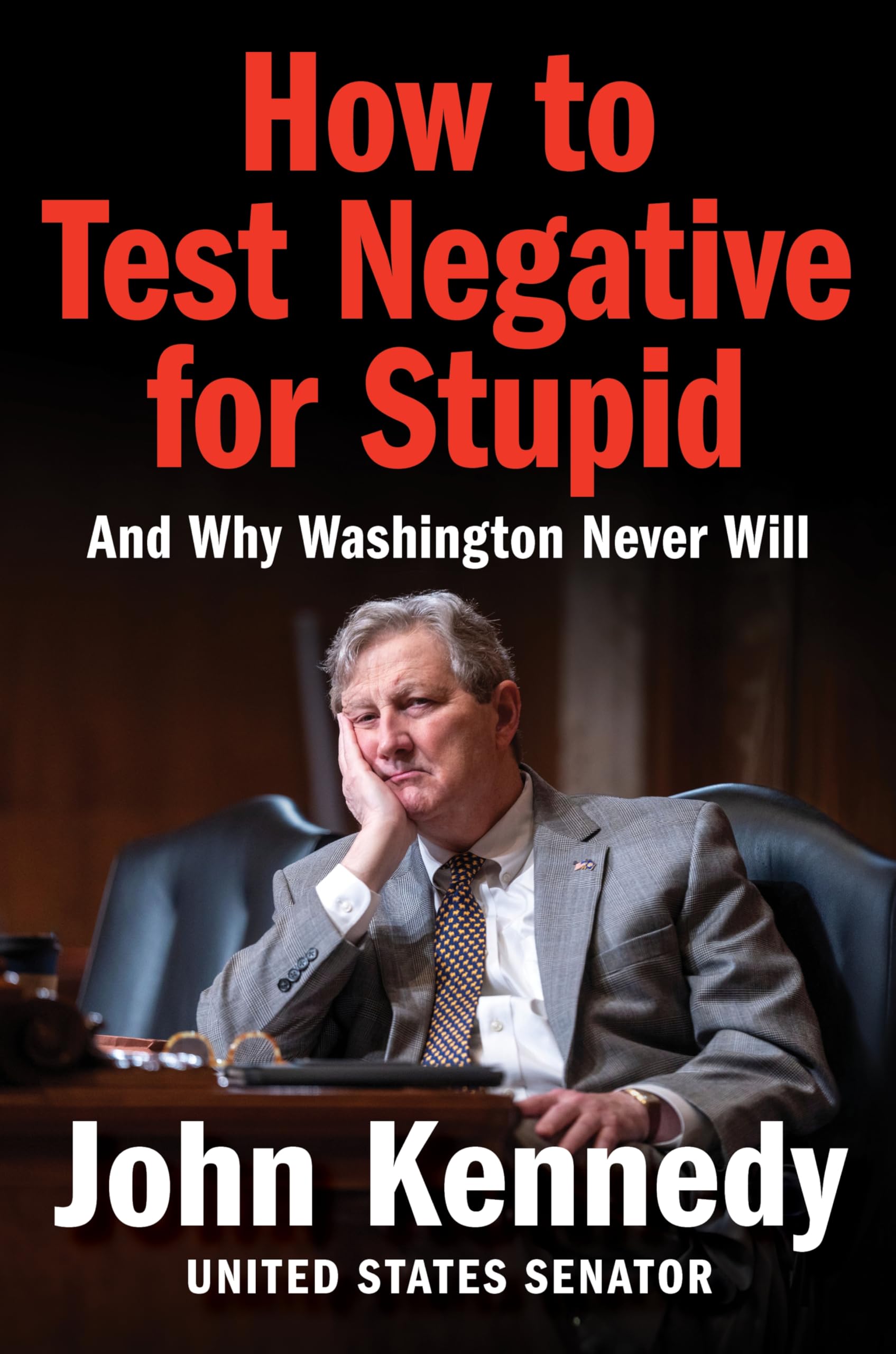
Book cover of How to Test Negative for Stupid

How to Test Negative for Stupid Summary

Meditation & Health

By John Kennedy

Broadside Books · October 7, 2025

Summary

In 'How to Test Negative for Stupid,' John Kennedy presents a unique and engaging approach to improving one's intellectual acumen. The book delves into the various aspects of what it means to appear 'intelligent' in today's world. Kennedy uses real-life examples and witty anecdotes to illustrate his points, making the learning process both enjoyable and memorable. He doesn't just offer theoretical knowledge but provides practical steps that readers can implement in their daily lives. Whether it's in social settings, at work, or in decision-making processes, this book equips you with the tools to think more clearly and avoid common blunders. It challenges the traditional notions of intelligence and shows that with the right mindset and strategies, anyone can test 'negative' for stupid. It's a must-read for those who want to improve their cognitive abilities and navigate the complexities of modern life with greater ease.

About the Author

John Kennedy is an author. He specializes in writing thought-provoking and humorous self-help books. His work, How to Test Negative for Stupid, showcases his witty and engaging style.

Chapters

1

Introduction

In "How to Test Negative for Stupid," John Kennedy presents a practical guide to avoid making foolish decisions and enhance one's intellectual and practical capabilities. The book aims to help readers develop the skills and mindset needed to navigate life's challenges with wisdom and discernment. By understanding the common pitfalls of stupidity and learning effective strategies to overcome them, readers can improve their decision-making, relationships, and overall quality of life.

2

Understanding Stupidity

Stupidity is not just about lack of intelligence; it encompasses a wide range of behaviors and thought patterns that lead to poor choices. There are different forms of stupidity, such as cognitive stupidity, which involves faulty thinking processes, and social stupidity, which pertains to inappropriate social behavior. Cognitive stupidity can manifest in the form of confirmation bias, where people only seek information that confirms their existing beliefs and ignore contrary evidence. Social stupidity might include making insensitive remarks or not understanding social cues. By recognizing these forms of stupidity, we can start to take steps to avoid them.

3

The Cost of Stupidity

Stupid decisions can have far-reaching consequences in various aspects of life. In personal relationships, stupid actions can lead to conflicts, break-ups, and a loss of trust. For example, constantly criticizing a partner without considering their feelings can damage the relationship. In the professional sphere, stupid decisions can result in lost opportunities, financial losses, and a damaged reputation. A businessperson who makes hasty investment decisions without proper research may end up losing a significant amount of money. Understanding the high cost of stupidity is crucial as it motivates us to make better choices.

4

Developing Critical Thinking

Critical thinking is a key skill to test negative for stupid. It involves analyzing information objectively, questioning assumptions, and evaluating evidence. To develop critical thinking, we need to be open-minded and willing to consider different perspectives. We can start by asking ourselves questions like "What evidence supports this claim?" and "Are there other possible explanations?" For instance, when reading a news article, we should not simply accept the information at face value but look for reliable sources and cross-check the facts. By honing our critical thinking skills, we can avoid being misled by false information and make more informed decisions.

5

Emotional Intelligence

Emotional intelligence is another important factor in avoiding stupidity. It refers to the ability to recognize, understand, and manage our own emotions as well as the emotions of others. People with high emotional intelligence are better at handling stress, building relationships, and making rational decisions. For example, in a heated argument, an emotionally intelligent person can stay calm, listen to the other person's point of view, and find a constructive solution. To improve emotional intelligence, we can practice self-awareness by reflecting on our emotions and how they affect our behavior. We can also work on empathy, which involves putting ourselves in others' shoes and understanding their feelings.

5 more chapters available

Continue listening in the Spickor app — free download on the App Store.

Listen in App

Why Spickor?

At Spickor, we believe knowledge should have no paywalls. Every book summary can be unlocked for free by watching a short ad — or you can choose an ad-free subscription. Unlike other apps, there's no "1 book per day" free limit. Learn at your own pace, on your own terms.

FeatureSpickorBlinkistHeadway
Free accessAll books free via ad unlock1 book/day only1 book/day only
Book library2,200+ across 8 categories9,000+ (non-fiction only)2,000+ (personal growth focus)
Paid subscriptionNo forced subscription; ad-supportedRequired; from $99.99/yrRequired; from $89.99/yr
Audio for all summariesYesPremium onlyPremium only
Novels & fictionYesNoNo
PlatformsiOS (Android & Web in dev)iOS / Android / WebiOS / Android only

All Books, Truly Free

Unlock any book with a short ad. No daily limits, no hidden fees.

Listen for Free

Every summary includes high-quality audio. No "premium only" labels.

Beyond Self-Help

8 categories including business, technology, and novels.

Listen in App
6 m 46 s