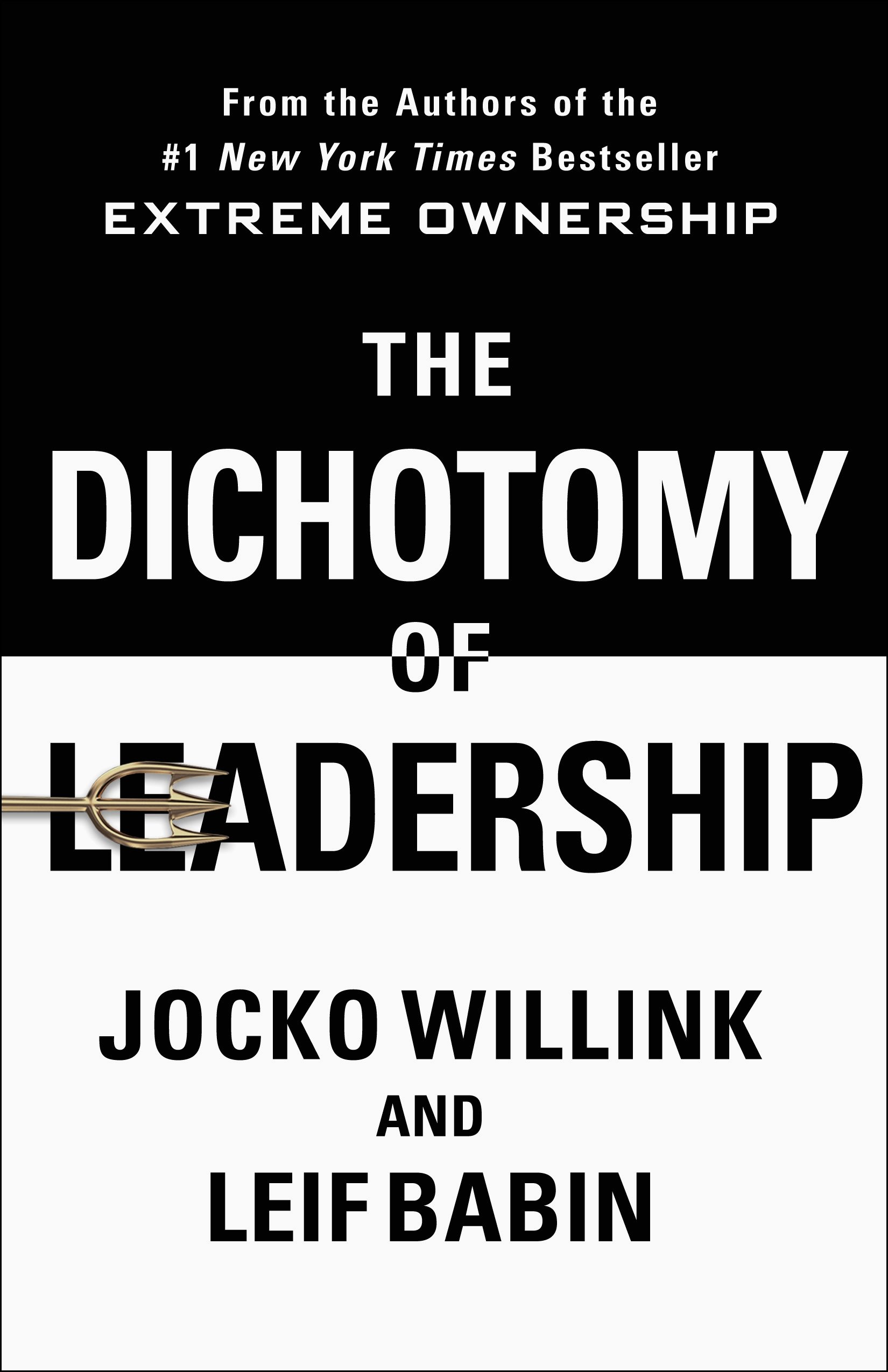
Book cover of The Dichotomy of Leadership

The Dichotomy of Leadership Summary

Business & Career

By Jocko Willink & Leif Babin

Summary

The core idea of the book is that leadership is not a straightforward concept but a delicate balance between two opposing forces. For instance, a leader must be both aggressive in taking action and cautious in decision-making. In the military, they've seen firsthand how the wrong balance can lead to failure. The authors use numerous vivid anecdotes from their time in the military to illustrate these dichotomies. However, the lessons aren't just for military personnel. In the business world, a manager can apply these principles to lead teams more effectively, making tough decisions while also being empathetic to employees. In personal life, one can use these concepts to lead a more purposeful and balanced life. By understanding and mastering these dichotomies, readers will gain a new perspective on leadership and how to become better leaders in various aspects of life.

About the Author

Jocko Willink and Leif Babin are former Navy SEALs. They write in the leadership and military strategy field. Their style is practical and straightforward, as shown in "The Dichotomy of Leadership".

Chapters

1

Introduction to Leadership Dichotomy

Leadership is not a one-dimensional concept. In "The Dichotomy of Leadership", the essence of effective leadership lies in the balance of seemingly opposing forces. This dichotomy is the key to success in any leadership role, whether in the military, business, or personal life.Leaders often face situations where they must decide between two extremes. For example, being overly aggressive can lead to hasty decisions and unnecessary risks, while being too passive may result in missed opportunities. Understanding and mastering these dichotomies allows leaders to navigate complex situations with greater finesse.The dichotomy of leadership is not about choosing one side over the other but rather knowing when to apply each approach. It is a dynamic process that requires self-awareness, adaptability, and the ability to make quick yet informed judgments.
2

Extreme Ownership vs. Delegation

Extreme ownership means taking full responsibility for everything that happens within your area of operation. A leader who practices extreme ownership does not make excuses or blame others. Instead, they accept that every success or failure is a result of their actions or inactions.However, a leader cannot do everything alone. Delegation is equally important. By entrusting tasks to competent team members, leaders can focus on the strategic aspects of their role. Delegation also empowers team members, allowing them to grow and develop their skills.The key is to find the right balance. A leader who takes extreme ownership must also know when to step back and let others take the lead. For example, in a military operation, a commander may take extreme ownership of the overall mission but delegate the execution of specific tasks to the appropriate officers.

3

Aggression vs. Discipline

Aggression is often associated with leadership. A leader needs to be assertive, take risks, and drive the team forward. In a competitive environment, an aggressive leader can seize opportunities and gain an edge over rivals.Yet, aggression without discipline is counterproductive. Discipline provides the framework within which aggression can be channeled effectively. A disciplined leader sets clear goals, follows a plan, and ensures that the team adheres to the rules.For instance, in a business negotiation, an aggressive approach may be necessary to get the best deal. But without the discipline to prepare thoroughly, understand the other party's needs, and stay within ethical boundaries, the aggression may lead to a breakdown in the negotiation.

4

Decisiveness vs. Flexibility

Decisiveness is a crucial leadership trait. In a fast-paced environment, leaders need to make quick decisions. A decisive leader can inspire confidence in the team and prevent indecision from causing delays.However, the world is constantly changing, and plans may need to be adjusted. Flexibility allows leaders to adapt to new circumstances. A flexible leader is open-minded, willing to listen to new ideas, and can change course when necessary.In a military campaign, a commander may make a decisive decision to attack a certain position. But if new intelligence reveals a better opportunity or a change in the enemy's situation, the commander must be flexible enough to adjust the plan.

5

Humility vs. Confidence

Humility is an important aspect of leadership. A humble leader acknowledges their limitations, listens to others, and is willing to learn. Humility fosters a culture of collaboration and continuous improvement within the team.On the other hand, confidence is essential for a leader to inspire trust. A confident leader believes in their abilities and the vision they have for the team. They can communicate effectively and motivate others to follow them.A leader who is too humble may be seen as lacking in leadership qualities, while one who is overly confident may become arrogant and ignore valuable input from the team. For example, in a startup, the founder needs to be confident in the business idea but also humble enough to listen to the advice of investors and mentors.

5 more chapters available

Continue listening in the Spickor app — free download on the App Store.

Listen in App

Why Spickor?

At Spickor, we believe knowledge should have no paywalls. Every book summary can be unlocked for free by watching a short ad — or you can choose an ad-free subscription. Unlike other apps, there's no "1 book per day" free limit. Learn at your own pace, on your own terms.

FeatureSpickorBlinkistHeadway
Free accessAll books free via ad unlock1 book/day only1 book/day only
Book library2,200+ across 8 categories9,000+ (non-fiction only)2,000+ (personal growth focus)
Paid subscriptionNo forced subscription; ad-supportedRequired; from $99.99/yrRequired; from $89.99/yr
Audio for all summariesYesPremium onlyPremium only
Novels & fictionYesNoNo
PlatformsiOS (Android & Web in dev)iOS / Android / WebiOS / Android only

All Books, Truly Free

Unlock any book with a short ad. No daily limits, no hidden fees.

Listen for Free

Every summary includes high-quality audio. No "premium only" labels.

Beyond Self-Help

8 categories including business, technology, and novels.

Listen in App
7 m 56 s