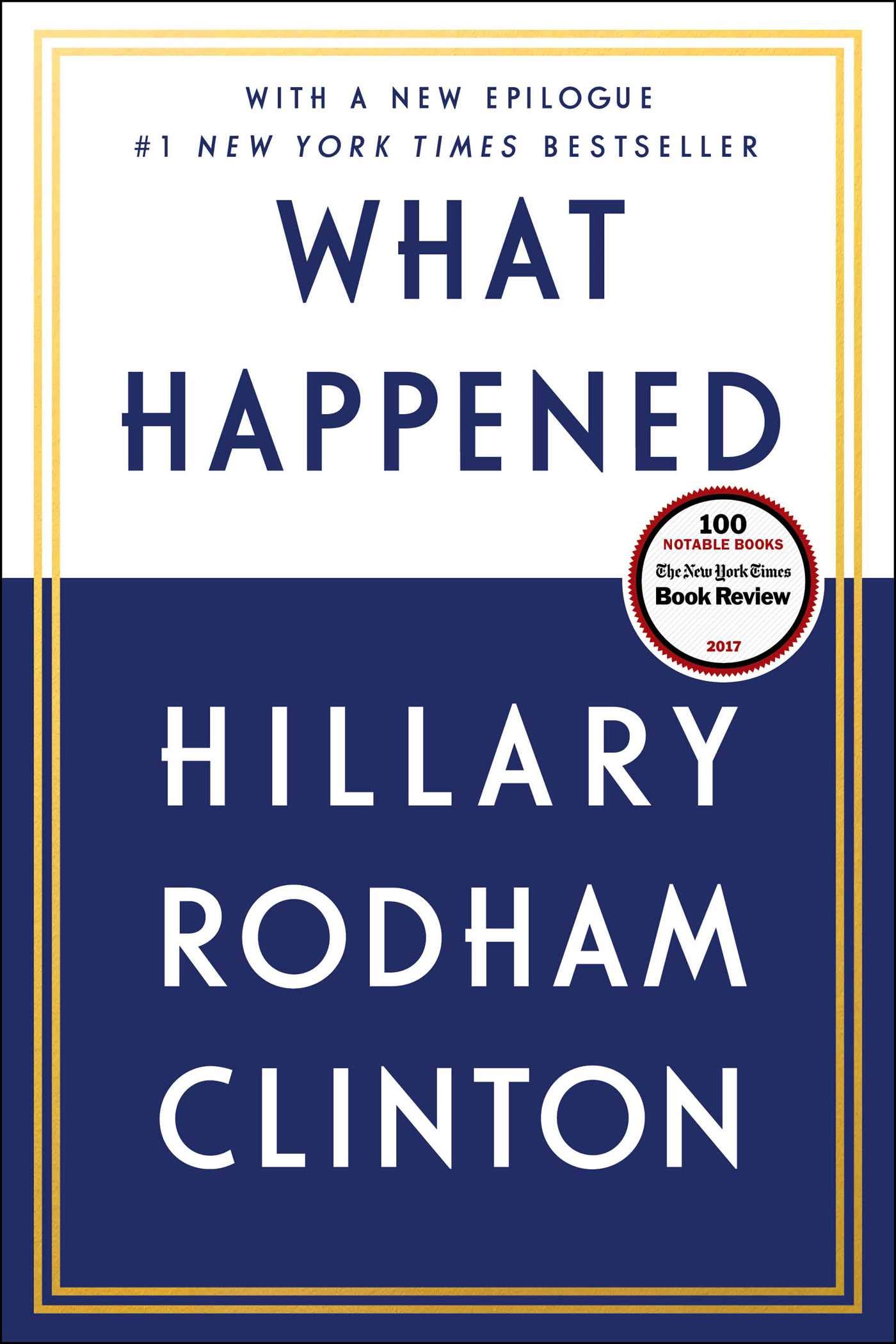
Book cover of What Happened

What Happened Summary

Humanity & Culture

By Hillary Rodham Clinton

Simon & Schuster · September 12, 2017

Summary

What Happened is a compelling memoir penned by Hillary Rodham Clinton, a well-known and influential figure in American politics. In this book, Clinton takes readers on a deeply personal journey through the 2016 presidential campaign. She opens up about the various aspects of the race, from the strategies employed to the unexpected twists and turns. With her characteristic intelligence and candor, Clinton reflects on the events that led to the outcome of the election. The book not only provides a behind-the-scenes look at the political process but also offers valuable lessons about leadership, resilience, and the power of perseverance. It's a must-read for those interested in understanding the complexities of modern-day politics and the experiences of a woman who has broken numerous glass ceilings in her career. Whether you're a political enthusiast or simply curious about the events of that significant year, What Happened will engage and inform you.

About the Author

Hillary Rodham Clinton became the first woman in US history to become the presidential nominee of a major political party in 2016. She served as the 67th Secretary of State—from January 21, 2009, until February 1, 2013—after nearly four decades in public service advocating on behalf of children and families as an attorney, First Lady, and Senator. She is a wife, mother, and grandmother.

Chapters

1

Introduction

In "What Happened," Hillary Rodham Clinton delves into the events surrounding the 2016 U.S. presidential election. This book is a candid account of her campaign, the challenges she faced, and the lessons learned. It offers a unique perspective on the political landscape, the role of media, and the impact of misinformation. Through her personal experiences, Clinton aims to provide insights that can help future generations understand the complexities of modern-day politics.

2

The Campaign Launch

The campaign began with high hopes. Clinton, a seasoned politician, had a well-defined platform. She focused on issues such as economic growth, healthcare, and women's rights. The team worked hard to build a grassroots movement, reaching out to voters across the country. They organized rallies, town-hall meetings, and door-to-door campaigns. However, from the start, there were challenges. The media's focus on certain aspects of her past, like the email controversy, created a cloud over the campaign. Despite this, the campaign pushed forward, believing in the strength of the message and the support of the people.

3

The Primaries

The primary season was intense. Clinton faced strong competition from Bernie Sanders. Sanders' message of economic equality resonated with many young voters. His campaign was fueled by small-dollar donations and a passionate base. Clinton, on the other hand, had the support of the Democratic establishment. The primary battles were fierce, with both candidates attacking each other's policies. Clinton had to balance her support for the status quo in some areas with the need to appeal to the more progressive wing of the party. In the end, she managed to secure the Democratic nomination, but the division within the party was evident.

4

The General Election Campaign

Once the nomination was secured, the focus shifted to the general election. Clinton faced Donald Trump, a political outsider. Trump's campaign style was very different from Clinton's. He used bombastic language, made controversial statements, and appealed to the frustrations of many working-class Americans. Clinton's campaign focused on policy details and a more traditional approach. She emphasized the importance of experience and stability. The debates between the two candidates were highly anticipated. Clinton performed well in terms of policy knowledge, but Trump's ability to connect with the emotions of some voters was a significant factor.

5

The Role of the Media

The media played a crucial role in the election. The coverage of the campaign was often sensationalized. The email controversy received extensive media attention, overshadowing many of Clinton's policy proposals. Social media also had a major impact. False information spread rapidly, and it was difficult to counter. Some media outlets seemed to focus more on creating a narrative rather than presenting the facts. This made it challenging for Clinton's campaign to get its message across clearly.

5 more chapters available

Continue listening in the Spickor app — free download on the App Store.

Listen in App

Why Spickor?

At Spickor, we believe knowledge should have no paywalls. Every book summary can be unlocked for free by watching a short ad — or you can choose an ad-free subscription. Unlike other apps, there's no "1 book per day" free limit. Learn at your own pace, on your own terms.

FeatureSpickorBlinkistHeadway
Free accessAll books free via ad unlock1 book/day only1 book/day only
Book library2,200+ across 8 categories9,000+ (non-fiction only)2,000+ (personal growth focus)
Paid subscriptionNo forced subscription; ad-supportedRequired; from $99.99/yrRequired; from $89.99/yr
Audio for all summariesYesPremium onlyPremium only
Novels & fictionYesNoNo
PlatformsiOS (Android & Web in dev)iOS / Android / WebiOS / Android only

All Books, Truly Free

Unlock any book with a short ad. No daily limits, no hidden fees.

Listen for Free

Every summary includes high-quality audio. No "premium only" labels.

Beyond Self-Help

8 categories including business, technology, and novels.

Listen in App
6 m 09 s