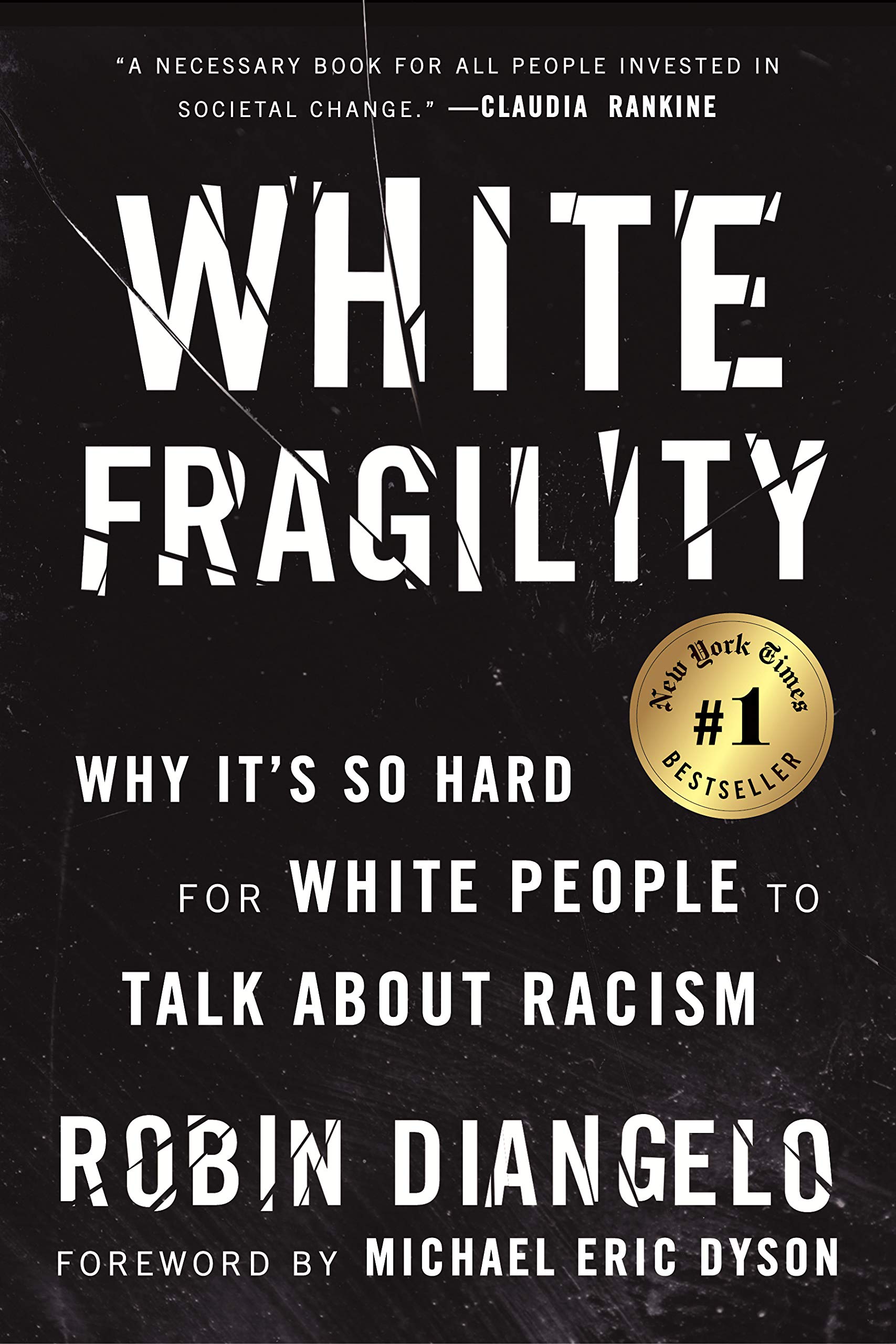
Book cover of White Fragility

White Fragility Summary

Humanity & Culture

By Robin J. DiAngelo

Beacon Press · June 26, 2018

Summary

"White Fragility" by Robin J. DiAngelo is a groundbreaking book that addresses a crucial topic in modern society: the way white people respond to discussions about race. DiAngelo, a well-known anti-racism educator, introduces the term "white fragility" to describe the discomfort and defensiveness that many white individuals experience when faced with information about racial inequality. The book starts by explaining the historical and social context that has led to the development of white fragility. DiAngelo uses personal anecdotes, case studies, and academic research to illustrate how white fragility manifests in various situations, from casual conversations to more formal settings. She explores the different forms of white fragility, such as anger, argumentation, and withdrawal. Moreover, DiAngelo offers practical strategies for both white people and people of color. For white readers, she provides guidance on how to recognize and overcome their own white fragility, while for non-white readers, she offers insights into understanding the behavior of white individuals. By doing so, the book aims to promote more open, honest, and productive dialogues about race, which are essential for achieving racial justice. In a world where racial tensions are still prevalent, "White Fragility" serves as an important resource for anyone who wants to engage in meaningful discussions about race and work towards a more inclusive society.

About the Author

Robin J. DiAngelo is a well-known author in the field of race and social justice. Her writing in "White Fragility" is incisive, presenting complex racial issues clearly, challenging readers to reflect on white privilege.

Chapters

1

Introduction to White Fragility

White Fragility is a term coined to describe the defensive reactions that white people often have when confronted with issues of race. These reactions can include anger, fear, and guilt, which prevent meaningful conversations about race from taking place. The concept challenges the idea that race is a non-issue in a so-called "post-racial" society.In today's world, race still plays a significant role in social, economic, and political spheres. Despite progress, racial disparities persist in areas such as education, employment, and criminal justice. White Fragility exacerbates these problems by creating a barrier to understanding and addressing racial injustice.White Fragility is not an individual flaw but a product of the socialization that white people receive in a society that has long privileged whiteness. It is a learned response that can be unlearned with effort and self-reflection.


2

The Origins of White Fragility

White Fragility has deep roots in the history of white supremacy. Throughout history, white people have been in a position of power and privilege, and this has shaped their understanding of race. The dominant narrative in Western society has often downplayed or ignored the experiences of people of color.For example, in the United States, the history of slavery and segregation has had a lasting impact on the racial dynamics. White people have been shielded from the harsh realities of racism, which makes it difficult for them to accept that racism still exists. The education system has also played a role, as it has often presented a sanitized version of history that does not fully account for the oppression of people of color.This lack of exposure to the true nature of racism leads white people to have a narrow understanding of race. When they are confronted with information about racism, they may feel attacked or defensive, as it challenges their self-image as "good" or "non-racist" people.

3

The Components of White Fragility

There are several key components of White Fragility. One of the main components is the inability to tolerate racial stress. When white people are presented with information about racism, they may experience discomfort, anxiety, or even anger. This discomfort often leads them to shut down conversations about race.Another component is the need to maintain a positive self-image. White people may be reluctant to acknowledge their own role in perpetuating racism because it conflicts with their view of themselves as fair and just. They may deflect blame or deny the existence of racism to protect their self-esteem.White Fragility also involves a lack of empathy for people of color. White people may have difficulty understanding the experiences of racism that people of color face on a daily basis. This lack of empathy can prevent them from taking action to address racial injustice.

4

How White Fragility Manifests

White Fragility can manifest in various ways. One common manifestation is the use of microaggressions. Microaggressions are subtle, often unconscious, forms of discrimination. For example, a white person may make a comment that seems innocent but is actually offensive to a person of color. These microaggressions can cause emotional harm to people of color and contribute to a hostile environment.Another way White Fragility manifests is through the denial of racism. White people may claim that racism is a thing of the past or that it only exists in extreme cases. They may also downplay the significance of racial disparities, attributing them to individual choices rather than systemic factors.White Fragility can also lead to a sense of defensiveness when white people are called out for their racist behavior. Instead of listening and learning, they may become angry or try to justify their actions.

5

The Impact of White Fragility on Society

White Fragility has a profound impact on society. It prevents meaningful conversations about race from taking place, which in turn hinders progress in addressing racial injustice. When white people are unable to engage in open and honest discussions about race, it becomes difficult to develop solutions to the problems of racism.In the workplace, White Fragility can create a hostile environment for people of color. It can lead to a lack of diversity and inclusion, as white employees may be resistant to efforts to promote racial equality. This can result in lower job satisfaction and higher turnover rates among people of color.In education, White Fragility can prevent students from learning about the true history of race. It can also lead to a lack of cultural competence among educators, which can have a negative impact on the educational experiences of students of color.

5 more chapters available

Continue listening in the Spickor app — free download on the App Store.

Listen in App

Why Spickor?

At Spickor, we believe knowledge should have no paywalls. Every book summary can be unlocked for free by watching a short ad — or you can choose an ad-free subscription. Unlike other apps, there's no "1 book per day" free limit. Learn at your own pace, on your own terms.

FeatureSpickorBlinkistHeadway
Free accessAll books free via ad unlock1 book/day only1 book/day only
Book library2,200+ across 8 categories9,000+ (non-fiction only)2,000+ (personal growth focus)
Paid subscriptionNo forced subscription; ad-supportedRequired; from $99.99/yrRequired; from $89.99/yr
Audio for all summariesYesPremium onlyPremium only
Novels & fictionYesNoNo
PlatformsiOS (Android & Web in dev)iOS / Android / WebiOS / Android only

All Books, Truly Free

Unlock any book with a short ad. No daily limits, no hidden fees.

Listen for Free

Every summary includes high-quality audio. No "premium only" labels.

Beyond Self-Help

8 categories including business, technology, and novels.

Listen in App
9 m 20 s