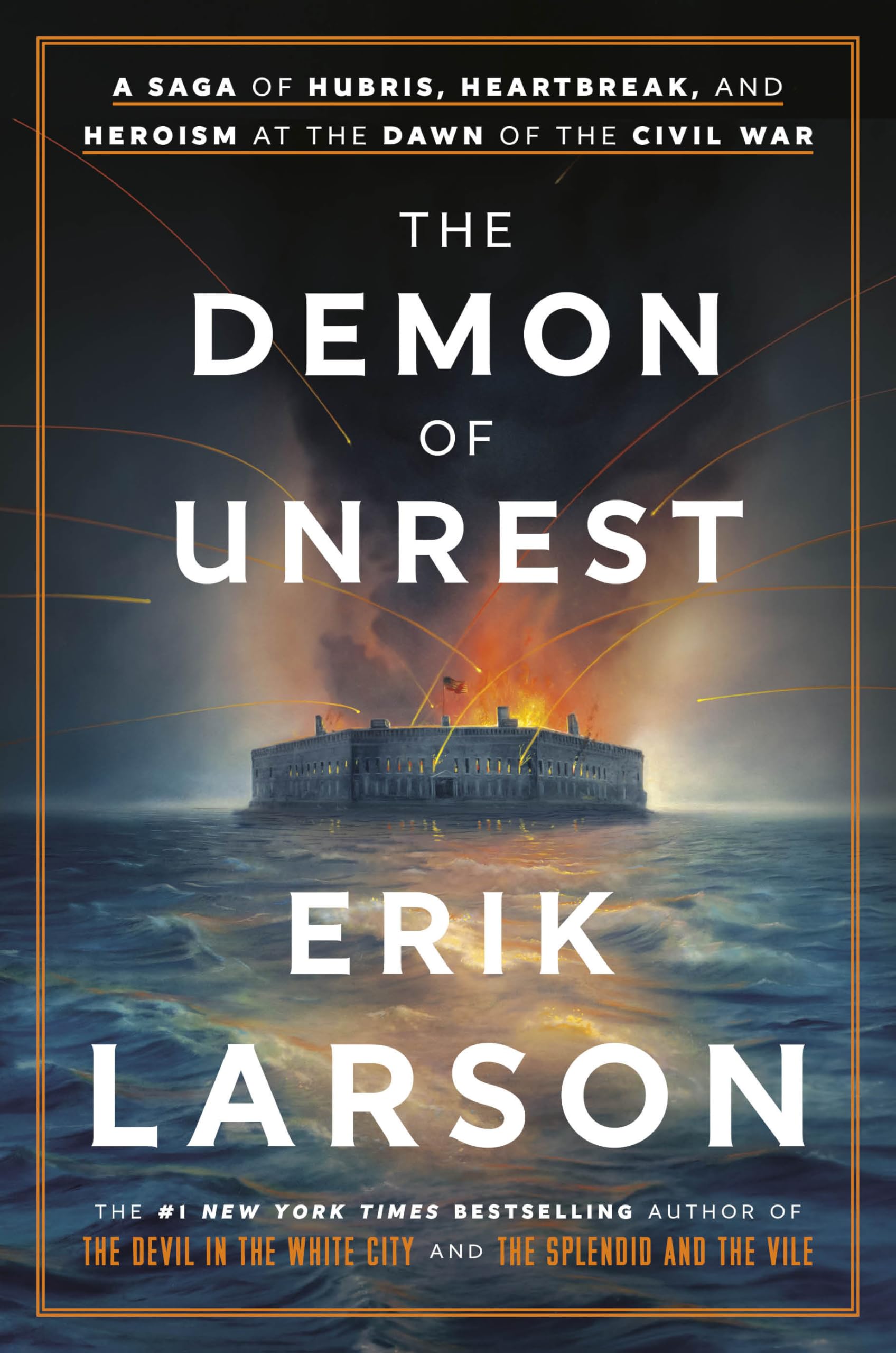
Book cover of The Demon of Unrest

The Demon of Unrest Summary

Lifestyle

By Erik Larson

Crown · April 30, 2024

Summary

The Demon of Unrest by Erik Larson is a remarkable literary work that combines elements of suspense, history, and a touch of the supernatural. The book unfolds in a world where the line between reality and the unknown blurs. Larson's masterful storytelling transports readers into a setting filled with tension and intrigue. As the plot progresses, we are introduced to a cast of characters whose lives become intertwined in unexpected ways. The author's attention to detail is remarkable, painting a vivid picture of the time and place. Whether it's the descriptions of the eerie surroundings or the complex relationships between the characters, every aspect of the book adds to its allure. This is not just a story; it's an experience that will stay with you long after you've turned the last page.

About the Author

Erik Larson is a renowned American author. He specializes in narrative non-fiction. His writing combines meticulous research with a gripping storytelling style, as seen in "The Demon of Unrest".

Chapters

1

Introduction to the Unrest

The Demon of Unrest is a captivating work by Erik Larson that delves into a period of significant upheaval and transformation. This book takes readers on a journey through a time when society was on the brink of change, and various forces were at play. It explores the complex web of events, characters, and ideas that contributed to the unrest that defined the era.In this introduction, we set the stage for the rest of the book. We learn about the historical context in which the story unfolds. The time was marked by rapid industrialization, social unrest, and political upheaval. These factors created a volatile environment where tensions were high, and the future seemed uncertain.The author paints a vivid picture of the world at that time, introducing us to the key players and the issues they faced. We get a sense of the challenges and opportunities that were present, as well as the impact they had on individuals and society as a whole. This sets the tone for the rest of the book, as we are drawn into the story and eager to learn more about the events that transpired.


2

The Catalysts of Unrest

This chapter focuses on the factors that sparked the unrest. One of the main catalysts was the rapid pace of industrialization. As factories sprang up and technology advanced, the nature of work changed dramatically. Workers found themselves in long hours, dangerous conditions, and low pay. This led to widespread dissatisfaction and a growing sense of injustice.Another important factor was the social divide between the rich and the poor. The gap between the wealthy elite and the working class was widening, and this created a sense of resentment and inequality. The working class began to demand better working conditions, higher wages, and more political representation.Political unrest also played a significant role. There were power struggles between different political factions, and the government was often seen as being out of touch with the needs of the people. This led to protests, strikes, and other forms of social and political unrest.The chapter also explores the role of the media in fueling the unrest. Newspapers and other forms of media played a crucial role in shaping public opinion and mobilizing people. They reported on the issues and events of the time, often highlighting the injustices and inequalities that existed. This helped to raise awareness and galvanize support for social and political change.

3

The Key Figures

In this chapter, we are introduced to the key figures who played a role in the unrest. These include leaders of the labor movement, political activists, and influential thinkers.One of the most prominent figures was a labor leader who fought for the rights of workers. He organized strikes and protests, and his efforts helped to improve the working conditions and wages of many workers. He was a charismatic and passionate leader who inspired others to join the cause.Another important figure was a political activist who advocated for social and political reform. He believed in the power of the people and worked to create a more just and equal society. His ideas and actions had a significant impact on the political landscape of the time.There were also influential thinkers who contributed to the intellectual discourse of the era. They explored new ideas and theories about society, economics, and politics. Their work helped to shape the way people thought about the world and the issues they faced.The chapter provides a detailed look at the lives and contributions of these key figures. It shows how their actions and ideas influenced the course of events and helped to bring about change.

4

The Social and Cultural Impact

The unrest had a profound impact on society and culture. In this chapter, we explore how it affected various aspects of people's lives.One of the most significant impacts was on the family. As more women entered the workforce, traditional family roles began to change. The family unit became more diverse, and there was a greater emphasis on individualism. This led to new challenges and opportunities for families, as they had to adapt to the changing social and economic landscape.The unrest also had an impact on education. There was a growing demand for education, especially among the working class. This led to the expansion of public education and the development of new educational institutions. Education became seen as a way to improve one's social and economic status, and it played a crucial role in the development of a more educated and informed society.In the cultural sphere, the unrest inspired new forms of art, literature, and music. Artists and writers used their work to express their views on the social and political issues of the time. Their creations often reflected the mood of the era, with themes of protest, social justice, and hope for a better future.The chapter also examines the impact of the unrest on social norms and values. It shows how the traditional values of the past were being challenged, and new values were emerging. This led to a more open and inclusive society, where people were more willing to question authority and fight for their rights.

5

The Political Landscape

This chapter focuses on the political landscape during the period of unrest. It explores the different political parties and ideologies that were present, and how they influenced the course of events.One of the major political parties was the party that represented the interests of the working class. They advocated for social and economic reform, and their policies were aimed at improving the lives of the working people. They supported measures such as minimum wage laws, better working conditions, and social welfare programs.Another important political party was the party that represented the interests of the business community. They were more concerned with economic growth and stability, and they often opposed the policies of the working class party. They believed in free market principles and limited government intervention.There were also other political groups and movements that emerged during this time. Some were more radical, advocating for more extreme forms of social and political change. Others were more moderate, seeking to find a balance between the interests of different groups.The chapter shows how the political parties and groups interacted with each other, and how their policies and actions affected the outcome of the unrest. It also examines the role of the government in responding to the unrest, and how it tried to maintain order and stability.

5 more chapters available

Continue listening in the Spickor app — free download on the App Store.

Listen in App

Why Spickor?

At Spickor, we believe knowledge should have no paywalls. Every book summary can be unlocked for free by watching a short ad — or you can choose an ad-free subscription. Unlike other apps, there's no "1 book per day" free limit. Learn at your own pace, on your own terms.

FeatureSpickorBlinkistHeadway
Free accessAll books free via ad unlock1 book/day only1 book/day only
Book library2,200+ across 8 categories9,000+ (non-fiction only)2,000+ (personal growth focus)
Paid subscriptionNo forced subscription; ad-supportedRequired; from $99.99/yrRequired; from $89.99/yr
Audio for all summariesYesPremium onlyPremium only
Novels & fictionYesNoNo
PlatformsiOS (Android & Web in dev)iOS / Android / WebiOS / Android only

All Books, Truly Free

Unlock any book with a short ad. No daily limits, no hidden fees.

Listen for Free

Every summary includes high-quality audio. No "premium only" labels.

Beyond Self-Help

8 categories including business, technology, and novels.

Listen in App
12 m 39 s