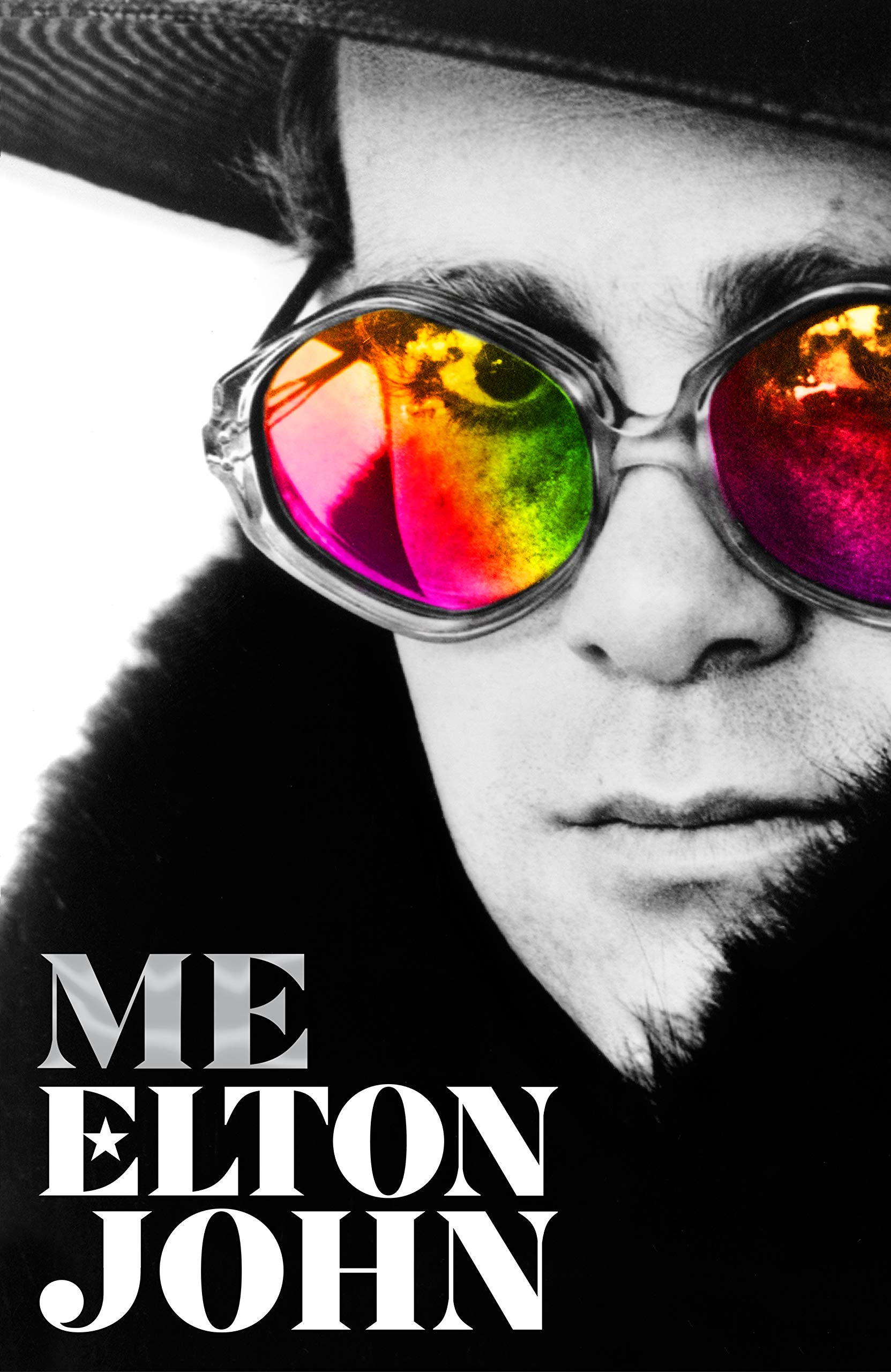
Book cover of Me

Me Summary

Humanity & Culture

By Elton John

Henry Holt and Co. · October 15, 2019

Summary

"Me" is an intimate and captivating memoir penned by the legendary Elton John. In this book, John opens up about his extraordinary life, sharing his innermost thoughts, experiences, and emotions. From his humble beginnings in a small town in England to becoming a global music sensation, the book traces his rise to fame. He discusses the challenges he faced, including battles with addiction and mental health, as well as the joys of his musical career and personal relationships. Through his honest and engaging storytelling, readers get a rare glimpse into the life of a music icon. Whether you're a long-time fan or just curious about the man behind the music, "Me" offers a rich and rewarding reading experience that will leave you with a deeper understanding and appreciation of Elton John.

About the Author

Elton John is a world-renowned singer-songwriter. He's also an author. In his book "Me", he writes with honesty and emotion, sharing his life stories in a vivid and engaging style.

Chapters

1

Early Life and Musical Beginnings

Elton John, born Reginald Kenneth Dwight, grew up in a working-class family in Pinner, Middlesex, England. His early life was marked by a complex relationship with his parents. His father, Stanley Dwight, was a strict and somewhat distant figure, a former Royal Air Force man. His mother, Sheila, was more nurturing and encouraged his musical talent.From a young age, Elton showed a remarkable aptitude for the piano. He started playing at the age of three and was able to play by ear. By the age of eleven, he won a scholarship to the Royal Academy of Music. At the academy, he received formal training in classical music, which would later influence his unique musical style.During his teenage years, he played in local bands and honed his skills. He was exposed to a wide range of music, from rock and roll to soul. This diverse musical influence would be evident in his later works. He also changed his name to Elton John, taking the first name from Elton Dean, a saxophonist in Bluesology, and the last name from Long John Baldry, a well-known British blues singer.In the late 1960s, Elton met Bernie Taupin, a lyricist. Their partnership would become one of the most successful in the history of popular music. Taupin would write the lyrics, and Elton would compose the music. Their first collaboration was "Scarecrow," and this marked the beginning of a long-standing and fruitful relationship.Elton's early musical career was filled with small gigs and struggles. He played in clubs and pubs, trying to make a name for himself. His early songs were a blend of rock, pop, and classical elements, which made his music stand out. He was constantly evolving his sound, and his live performances were starting to attract attention.

2

Breakthrough and Rise to Fame

Elton John's breakthrough came with the release of his album "Elton John" in 1970. The album featured hit songs like "Your Song," which became an instant classic. "Your Song" is a tender and heartfelt ballad that showcases Elton's piano skills and Taupin's lyrical talent. The song was a huge success, reaching the top ten in the UK and the US charts.Following the success of "Your Song," Elton's career took off. He released a series of successful albums in the early 1970s, including "Tumbleweed Connection," "Madman Across the Water," and "Honky Château." These albums were a mix of rock, pop, and folk elements, and they solidified his position as one of the leading musicians of the era."Honky Château" was a particularly significant album. It included the hit single "Rocket Man," which is a science-fiction-themed song that tells the story of an astronaut on a lonely mission. The song's unique blend of space-age imagery and emotional depth made it a fan favorite.Elton's live performances were also a major part of his rise to fame. He was known for his flamboyant stage costumes and energetic piano playing. His shows were a spectacle, with elaborate sets and pyrotechnics. He performed at large arenas and festivals, attracting huge crowds. His concerts were not just about the music; they were an experience.During this period, Elton also became a cultural icon. His fashion sense, which included outrageous glasses, glittery suits, and platform shoes, was emulated by fans around the world. He was a trendsetter, and his influence extended beyond the music industry.

3

Creative Peak and Iconic Works

In the mid-1970s, Elton John reached his creative peak. He released a string of critically and commercially successful albums. "Goodbye Yellow Brick Road" is one of his most iconic works. The album is a double-LP that features a diverse range of songs, from the anthemic title track to the emotional "Candle in the Wind.""Candle in the Wind" was originally written as a tribute to Marilyn Monroe. The song's lyrics are poignant, describing Monroe's rise to fame and her tragic end. The song's melody is both beautiful and melancholic, and it became one of Elton's most well-known songs.Another notable album from this period is "Captain Fantastic and the Brown Dirt Cowboy." It was the first album to top the US charts without any singles being released. The album is a concept album that tells the story of Elton and Bernie's journey in the music industry. It showcases their songwriting skills and their ability to create a cohesive musical narrative.Elton also continued to have success with his live performances. His tours were highly anticipated, and he played to sold-out crowds around the world. He was constantly pushing the boundaries of his music, experimenting with different sounds and styles. His music during this period was a reflection of the cultural and social changes of the 1970s.

4

Personal Struggles and Addiction

Despite his success, Elton John faced significant personal struggles. He developed a severe addiction to drugs and alcohol. His addiction was a result of the pressures of fame, the constant touring, and the need to cope with the demands of the music industry.He was addicted to cocaine and alcohol for many years. His addiction affected his personal relationships, his health, and his career. He was often in a state of disarray, and his behavior became erratic. He would cancel concerts and make impulsive decisions.Elton's personal life was also in turmoil. He had a complex relationship with his sexuality. He struggled with coming to terms with his homosexuality in a society that was not as accepting as it is today. He had several relationships, but they were often fraught with difficulties.In the 1980s, his addiction reached a critical point. He was in a downward spiral, and his health was deteriorating. He knew that he needed to make a change. He finally decided to seek help and entered a rehabilitation program.

5

Recovery and New Direction

After entering rehab, Elton John began his journey to recovery. He was determined to overcome his addiction and turn his life around. He worked hard in therapy, addressing the underlying issues that had led to his addiction.Once he was sober, he refocused on his music. He released a series of albums in the 1990s that showed a new direction in his musical style. His music became more introspective and mature. He also started collaborating with other artists, which brought a fresh perspective to his work.One of the significant events during this period was the re-recording of "Candle in the Wind" in 1997. The new version was a tribute to Princess Diana, who had died in a car accident. The song became a huge success, breaking sales records around the world. It was a powerful moment for Elton, as it allowed him to use his music to pay tribute to a beloved figure.Elton also became more involved in philanthropy. He established the Elton John AIDS Foundation, which has raised millions of dollars to support AIDS research and treatment. His work in the fight against AIDS has been widely recognized, and he has become an advocate for the LGBTQ+ community.

5 more chapters available

Continue listening in the Spickor app — free download on the App Store.

Listen in App

Why Spickor?

At Spickor, we believe knowledge should have no paywalls. Every book summary can be unlocked for free by watching a short ad — or you can choose an ad-free subscription. Unlike other apps, there's no "1 book per day" free limit. Learn at your own pace, on your own terms.

FeatureSpickorBlinkistHeadway
Free accessAll books free via ad unlock1 book/day only1 book/day only
Book library2,200+ across 8 categories9,000+ (non-fiction only)2,000+ (personal growth focus)
Paid subscriptionNo forced subscription; ad-supportedRequired; from $99.99/yrRequired; from $89.99/yr
Audio for all summariesYesPremium onlyPremium only
Novels & fictionYesNoNo
PlatformsiOS (Android & Web in dev)iOS / Android / WebiOS / Android only

All Books, Truly Free

Unlock any book with a short ad. No daily limits, no hidden fees.

Listen for Free

Every summary includes high-quality audio. No "premium only" labels.

Beyond Self-Help

8 categories including business, technology, and novels.

Listen in App
12 m 38 s