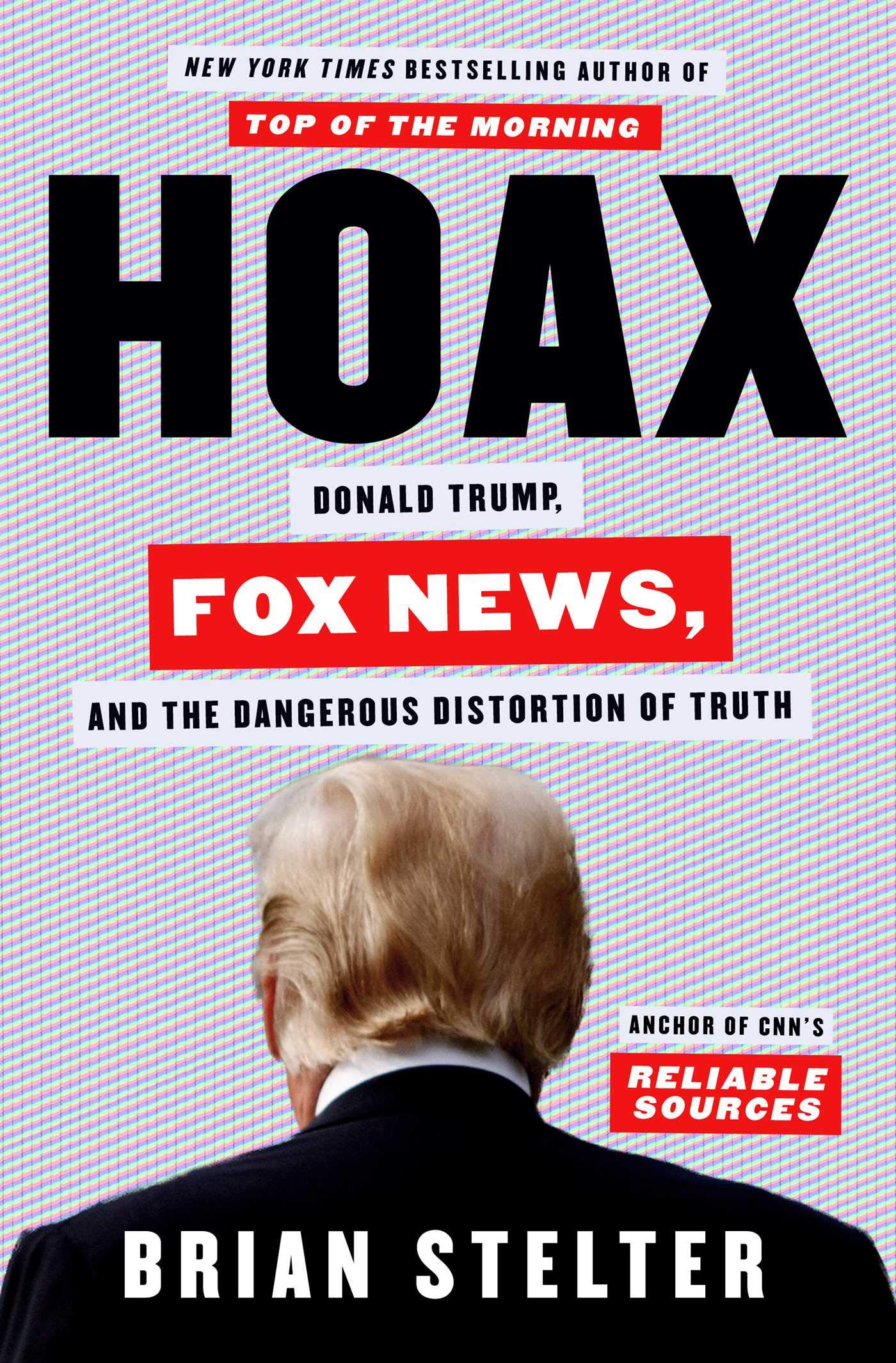
Book cover of Hoax

Hoax Summary

Humanity & Culture

By Brian Stelter

Atria/One Signal Publishers · August 25, 2020

Summary

Brian Stelter's Hoax steps into this complex arena, offering a comprehensive exploration of the phenomenon of false information. The author takes readers through the various mechanisms by which hoaxes are born. From the initial spark of a false idea to its rapid spread through social media and other channels, Stelter dissects each stage with precision. He also examines the psychological and social factors that make people vulnerable to believing and sharing falsehoods. By looking at real-life examples, he shows how hoaxes can have far-reaching consequences, affecting everything from public opinion to political decisions. Hoax is not just a simple account of false information; it is a call to action. It encourages readers to be more discerning consumers of information, to question what they see and hear, and to take an active role in combating the spread of misinformation. Whether you're a casual news consumer or someone deeply interested in media studies, this book provides valuable insights into a pressing issue of our time.

About the Author

Brian Stelter is a well-known media journalist. He specializes in media-related writing. His work, like "Hoax", features in-depth analysis and a straightforward style, offering sharp insights into media phenomena.

Chapters

1

Introduction to Hoax

In the modern era, information spreads at an unprecedented speed, and with it comes the rampant spread of hoaxes. "Hoax" by Brian Stelter delves deep into the world of false information, exploring its origins, impact, and how it has become a significant problem in today's society.The book begins by highlighting the prevalence of hoaxes in various aspects of our lives. From social media to traditional news outlets, false information can easily find its way into our daily consumption. Hoaxes can range from simple false claims to elaborate conspiracy theories, and they often have far-reaching consequences. They can influence public opinion, affect political decisions, and even cause harm to individuals and communities.One of the key points of the introduction is to make the reader aware of the scale of the problem. In the digital age, anyone can create and spread a hoax with just a few clicks. This ease of dissemination has led to an explosion of false information, making it difficult for the average person to distinguish between truth and fiction.The author also sets the stage for the rest of the book by hinting at the various factors that contribute to the spread of hoaxes. These include human psychology, the profit-driven nature of some media, and the lack of media literacy among the general public. By understanding these factors, readers can better equip themselves to combat the spread of false information.


2

The Psychology Behind Hoaxes

Understanding the psychology behind hoaxes is crucial in comprehending why people are so easily deceived. Our brains are wired in a way that makes us vulnerable to false information. For example, we tend to believe information that aligns with our pre-existing beliefs and values. This is known as confirmation bias.When a hoax is presented in a way that confirms what we already think, we are more likely to accept it as true without question. This can lead to the rapid spread of false information within like-minded groups. Social media platforms, in particular, exacerbate this problem by creating echo chambers where people are only exposed to information that reinforces their existing views.Another psychological factor is the need for novelty and excitement. Hoaxes often present sensational or out-of-the-ordinary claims that capture our attention. Our brains are naturally drawn to such information, and we may share it without verifying its authenticity.In addition, the fear of missing out (FOMO) also plays a role. People may share hoaxes in order to be part of the conversation or to seem in-the-know. This creates a cycle where false information spreads quickly and widely.The book also discusses how hoaxers take advantage of these psychological vulnerabilities. They craft their false stories in a way that appeals to our emotions and biases, making it difficult for us to resist believing them.

3

The Role of Media in Spreading Hoaxes

The media, both traditional and digital, has a significant role in the spread of hoaxes. Traditional news outlets, which were once considered reliable sources of information, have also been guilty of spreading false information at times. In the race for ratings and readership, some media organizations may rush to report on a story without proper verification.Digital media, on the other hand, has made it even easier for hoaxes to spread. Social media platforms are breeding grounds for false information. The algorithms used by these platforms often prioritize content that generates high engagement, which means that hoaxes, with their sensational nature, are more likely to be shown to a large number of users.Moreover, the lack of editorial oversight on many digital platforms allows hoaxes to go unchecked. Anyone can create a post or a video and share it with the world, and there is often no one to fact-check the information before it spreads.The book also examines how some media outlets may intentionally spread hoaxes for political or financial gain. They may use false information to manipulate public opinion or to promote a particular agenda. This not only undermines the credibility of the media but also has a negative impact on society as a whole.

4

Hoaxes in Politics

Politics is one area where hoaxes have a particularly significant impact. False information can be used to smear political opponents, manipulate election results, and shape public policy.During election campaigns, hoaxes are often spread to discredit candidates. These can include false accusations of corruption, scandal, or unethical behavior. Voters may be influenced by these hoaxes, leading to a distortion of the democratic process.In addition, hoaxes can be used to promote a particular political ideology. Conspiracy theories, for example, are often spread to create a sense of fear and division among the population. This can be used to rally support for a particular political group or to undermine the credibility of the government.The book also looks at how politicians themselves may be involved in spreading hoaxes. Some may use false information to gain an advantage in the political arena, either by spreading misinformation about their opponents or by promoting false claims about their own policies and achievements.

5

Hoaxes in the Business World

Hoaxes also have a significant impact on the business world. False information can damage a company's reputation, lead to financial losses, and disrupt the market.For example, a hoax about a company's product safety can cause a panic among consumers, leading to a decrease in sales. This can have a ripple effect on the company's stock price and overall financial health.In addition, hoaxes can be used in corporate espionage. Competitors may spread false information about a company to gain a competitive advantage. This can include rumors about a company's financial situation, product quality, or future plans.The book also discusses how businesses can protect themselves from hoaxes. This includes having a strong public relations strategy, being transparent with their customers, and actively monitoring and addressing false information.

5 more chapters available

Continue listening in the Spickor app — free download on the App Store.

Listen in App

Why Spickor?

At Spickor, we believe knowledge should have no paywalls. Every book summary can be unlocked for free by watching a short ad — or you can choose an ad-free subscription. Unlike other apps, there's no "1 book per day" free limit. Learn at your own pace, on your own terms.

FeatureSpickorBlinkistHeadway
Free accessAll books free via ad unlock1 book/day only1 book/day only
Book library2,200+ across 8 categories9,000+ (non-fiction only)2,000+ (personal growth focus)
Paid subscriptionNo forced subscription; ad-supportedRequired; from $99.99/yrRequired; from $89.99/yr
Audio for all summariesYesPremium onlyPremium only
Novels & fictionYesNoNo
PlatformsiOS (Android & Web in dev)iOS / Android / WebiOS / Android only

All Books, Truly Free

Unlock any book with a short ad. No daily limits, no hidden fees.

Listen for Free

Every summary includes high-quality audio. No "premium only" labels.

Beyond Self-Help

8 categories including business, technology, and novels.

Listen in App
11 m 16 s