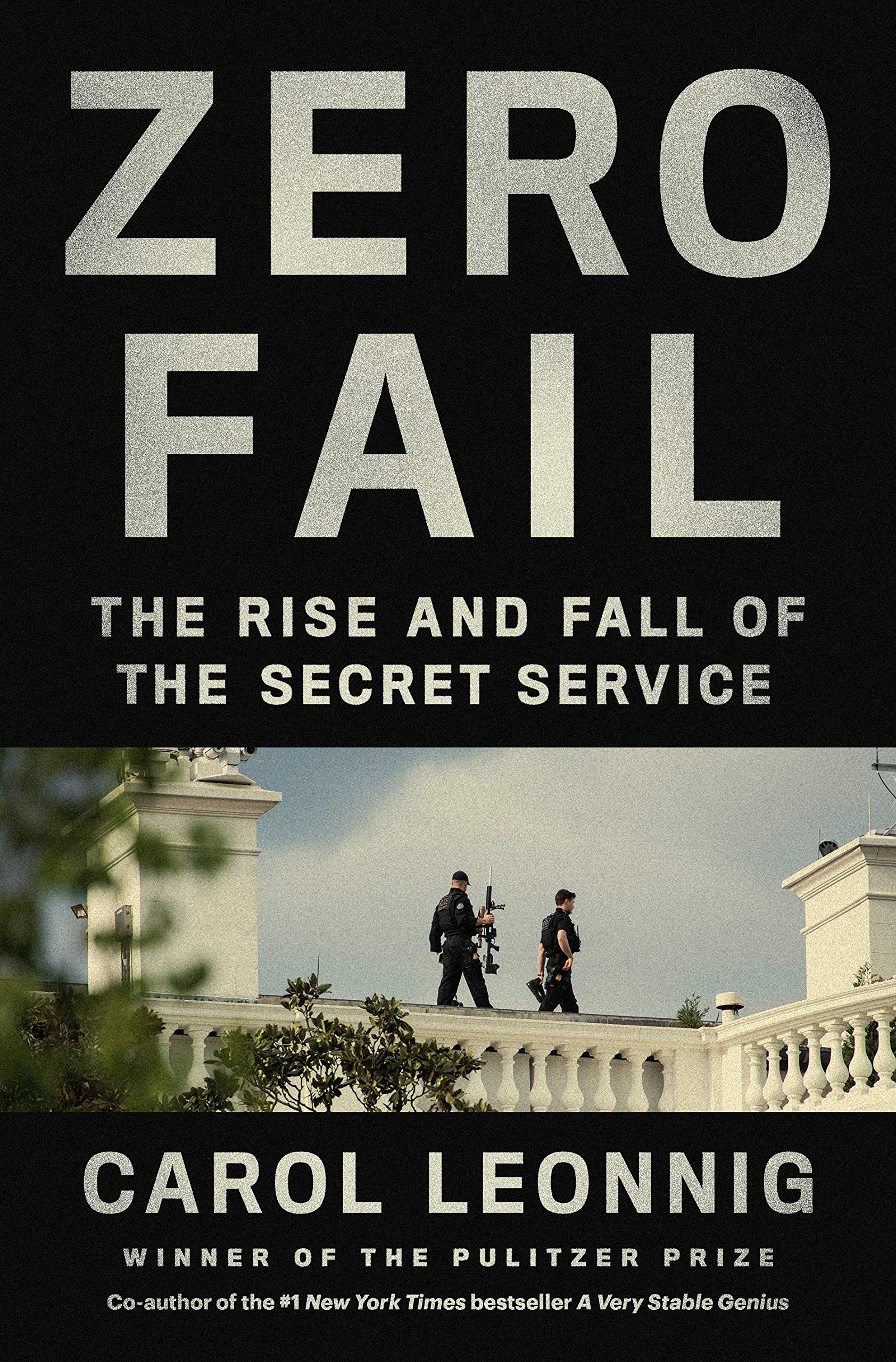
Book cover of Friends, Lovers, and the Big Terrible Thing

Friends, Lovers, and the Big Terrible Thing Summary

Humanity & Culture

By Matthew Perry

Flatiron Books · November 1, 2022

Summary

Matthew Perry, well-known for his iconic role as Chandler Bing in the hit TV series "Friends", takes readers on an emotional and revealing journey in his memoir, "Friends, Lovers, and the Big Terrible Thing". The book delves into his life, not just the glitz and glamour of Hollywood but also the often-hidden battles he faced. Perry opens up about his struggles with addiction, which were part of his life for many years. He shares the highs of his acting career, the friendships he formed on the set of "Friends", and the challenges he overcame. Through his words, readers get a sense of the real Matthew Perry, beyond the on-screen persona. It's a story of resilience, self-discovery, and the power of human connection. Whether you're a die-hard "Friends" fan or someone who appreciates a good, honest memoir, this book is a must-read. It offers valuable insights into the life of a well-known celebrity and the universal themes of love, friendship, and personal growth.

About the Author

Matthew Perry is an American actor and author. He's well-known for his role in "Friends". In his book "Friends, Lovers, and the Big Terrible Thing", he writes with honesty and humor about his life experiences.

Chapters

1

Introduction to Matthew Perry's Life

Matthew Perry, well-known for his role as Chandler Bing on the hit TV show "Friends", has had a life full of both fame and struggle. His journey is a roller-coaster ride that starts from a relatively normal childhood and quickly escalates into the world of Hollywood stardom. Born into a family with a connection to the entertainment industry, Perry was exposed to the limelight from an early age. His father, John Bennett Perry, was an actor, which gave him a taste of the show-business environment.As a young boy, Perry faced the challenges of a broken home. His parents divorced when he was just a child, and he had to move between different places. This instability in his early life might have contributed to some of the insecurities and emotional issues he would face later. Despite these difficulties, Perry showed an early interest in acting. He started performing in school plays and local theater productions, gradually honing his skills.When he landed the role of Chandler Bing on "Friends", his life changed overnight. The show became a global phenomenon, and Perry became one of the most recognizable faces in the world. The success of "Friends" brought him wealth, fame, and a large fan base. However, with this sudden success came a lot of pressure. The constant media attention, the high expectations from fans, and the long hours of filming took a toll on his mental and physical health.Perry's life was not just about the glitz and glamour of Hollywood. He was also dealing with a serious addiction problem. His struggles with substance abuse would become a central theme in his life, overshadowing his achievements at times. But through it all, he remained determined to tell his story and help others who might be going through similar experiences.


2

The Rise of "Friends" and Its Impact

The creation of "Friends" was a turning point not only in Matthew Perry's career but also in the history of television. The show was a revolutionary concept that centered around the lives of six young friends living in New York City. It tackled various aspects of modern life, such as friendship, love, career, and relationships, in a light-hearted yet relatable way.When "Friends" first premiered, it didn't immediately become a huge success. However, as the seasons progressed, the show's popularity soared. The chemistry between the cast members, including Jennifer Aniston, Courteney Cox, Lisa Kudrow, Matt LeBlanc, David Schwimmer, and Matthew Perry, was undeniable. Their performances were so natural and engaging that viewers around the world became invested in the lives of these characters.Perry's character, Chandler Bing, was one of the most beloved characters on the show. Chandler was known for his sarcastic sense of humor, his insecurities, and his loyalty to his friends. His one-liners and comedic timing were a major part of what made the show so funny. The character's growth throughout the series, from a commitment-phobic bachelor to a loving husband and father, was also a highlight.The success of "Friends" had a far-reaching impact. It not only changed the landscape of television but also influenced popular culture. The show's catchphrases, such as "How you doin'?" and "We were on a break!", became part of everyday language. It also inspired a new generation of sitcoms and influenced the way relationships were portrayed on TV.For Matthew Perry, the show was a double-edged sword. On one hand, it brought him international fame and fortune. On the other hand, it also put a lot of pressure on him. The constant demand to be funny and to maintain the high-quality of the show took a toll on his mental health. He started to rely on substances to cope with the stress, which would lead to a long-term addiction problem.

3

The Onset of Addiction

As the success of "Friends" continued to grow, Matthew Perry found himself in a difficult situation. The pressure of being in the public eye, the long hours of filming, and the constant need to perform at a high level took a toll on his mental well-being. He started to feel overwhelmed and began looking for ways to escape the stress.Perry's addiction started with painkillers. After a jet-skiing accident, he was prescribed pain medication. What was supposed to be a short-term solution for pain management turned into a long-term problem. He quickly became dependent on these drugs, and his addiction spiraled out of control.As his addiction worsened, Perry's behavior started to change. He became more withdrawn and secretive. He would miss work, and his performance on set started to suffer. His friends and colleagues on the "Friends" set noticed the changes in him, but it was difficult for them to intervene. Perry was in denial about his addiction and was reluctant to seek help.The addiction also had a significant impact on his personal life. His relationships with friends and family were strained. He was constantly lying to them about his drug use, and they were worried about his well-being. Despite the negative consequences, Perry continued to use drugs, unable to break free from the cycle of addiction.In addition to painkillers, Perry also started using alcohol and other substances. His addiction became a full-blown problem that affected every aspect of his life. He was losing control, and it seemed like there was no way out. However, deep down, he knew that he needed to make a change if he wanted to save his life and his career.

4

Struggles in Recovery

Matthew Perry's journey to recovery was long and difficult. He made multiple attempts to overcome his addiction, but each time, he faced setbacks. The first few times he tried to get clean, he relapsed. The withdrawal symptoms were intense, and the temptation to use drugs again was overwhelming.One of the biggest challenges Perry faced in recovery was dealing with the psychological aspects of addiction. Addiction is not just a physical problem; it is also a mental one. He had to learn how to cope with stress, anxiety, and other emotions without relying on drugs or alcohol. This required a lot of self-reflection and therapy.Perry entered various rehabilitation centers over the years. These centers provided him with a structured environment where he could focus on his recovery. He participated in group therapy sessions, where he could share his experiences with other addicts. He also worked with individual therapists to address the root causes of his addiction.However, the road to recovery was not smooth. There were times when he felt like giving up. The pressure from the media and the public to stay clean was also a burden. Every time he relapsed, the news would spread quickly, and he would face criticism and judgment.Despite these challenges, Perry was determined to overcome his addiction. He started to make small changes in his life. He surrounded himself with a supportive group of friends and family who encouraged him to stay on the right track. He also focused on his health, eating a balanced diet and exercising regularly.As he continued his recovery journey, Perry began to see the positive effects. He was able to repair some of the damaged relationships in his life. He also started to feel more confident and in control of his life. Although the road was still long, he was making progress, and he was hopeful for a better future.

5

Impact on Personal Relationships

Matthew Perry's addiction had a profound impact on his personal relationships. His relationships with his family, friends, and romantic partners were all affected by his drug use.With his family, the relationship became strained. His parents were worried about his well-being, but they often felt helpless. Perry's lies and secretive behavior made it difficult for them to trust him. There were times when they would confront him about his addiction, but he would deny it or get defensive.His friendships also suffered. His friends on the "Friends" set noticed the changes in him, but they didn't know how to help. Some of them tried to intervene, but Perry was resistant. He was pushing them away, and they were starting to lose hope. His erratic behavior and mood swings made it difficult for them to be around him.In terms of romantic relationships, Perry's addiction was a major obstacle. His partners often had to deal with his unpredictable behavior and his constant need for drugs. Many of his relationships ended because of his addiction. He was unable to be fully present in the relationship, and his partners felt neglected.However, as Perry started to recover, he began to work on repairing these relationships. He apologized to his family and friends for the pain he had caused. He made an effort to be more honest and open with them. He also started to build new relationships based on trust and mutual respect.His recovery also had a positive impact on his dating life. He was able to be more present and committed in his relationships. He learned how to communicate better and how to deal with the challenges of a relationship without relying on drugs.Overall, the impact of his addiction on his personal relationships was significant, but his recovery gave him a chance to rebuild and strengthen these connections.

4 more chapters available

Continue listening in the Spickor app — free download on the App Store.

Listen in App

Why Spickor?

At Spickor, we believe knowledge should have no paywalls. Every book summary can be unlocked for free by watching a short ad — or you can choose an ad-free subscription. Unlike other apps, there's no "1 book per day" free limit. Learn at your own pace, on your own terms.

FeatureSpickorBlinkistHeadway
Free accessAll books free via ad unlock1 book/day only1 book/day only
Book library2,200+ across 8 categories9,000+ (non-fiction only)2,000+ (personal growth focus)
Paid subscriptionNo forced subscription; ad-supportedRequired; from $99.99/yrRequired; from $89.99/yr
Audio for all summariesYesPremium onlyPremium only
Novels & fictionYesNoNo
PlatformsiOS (Android & Web in dev)iOS / Android / WebiOS / Android only

All Books, Truly Free

Unlock any book with a short ad. No daily limits, no hidden fees.

Listen for Free

Every summary includes high-quality audio. No "premium only" labels.

Beyond Self-Help

8 categories including business, technology, and novels.

Listen in App
16 m 27 s