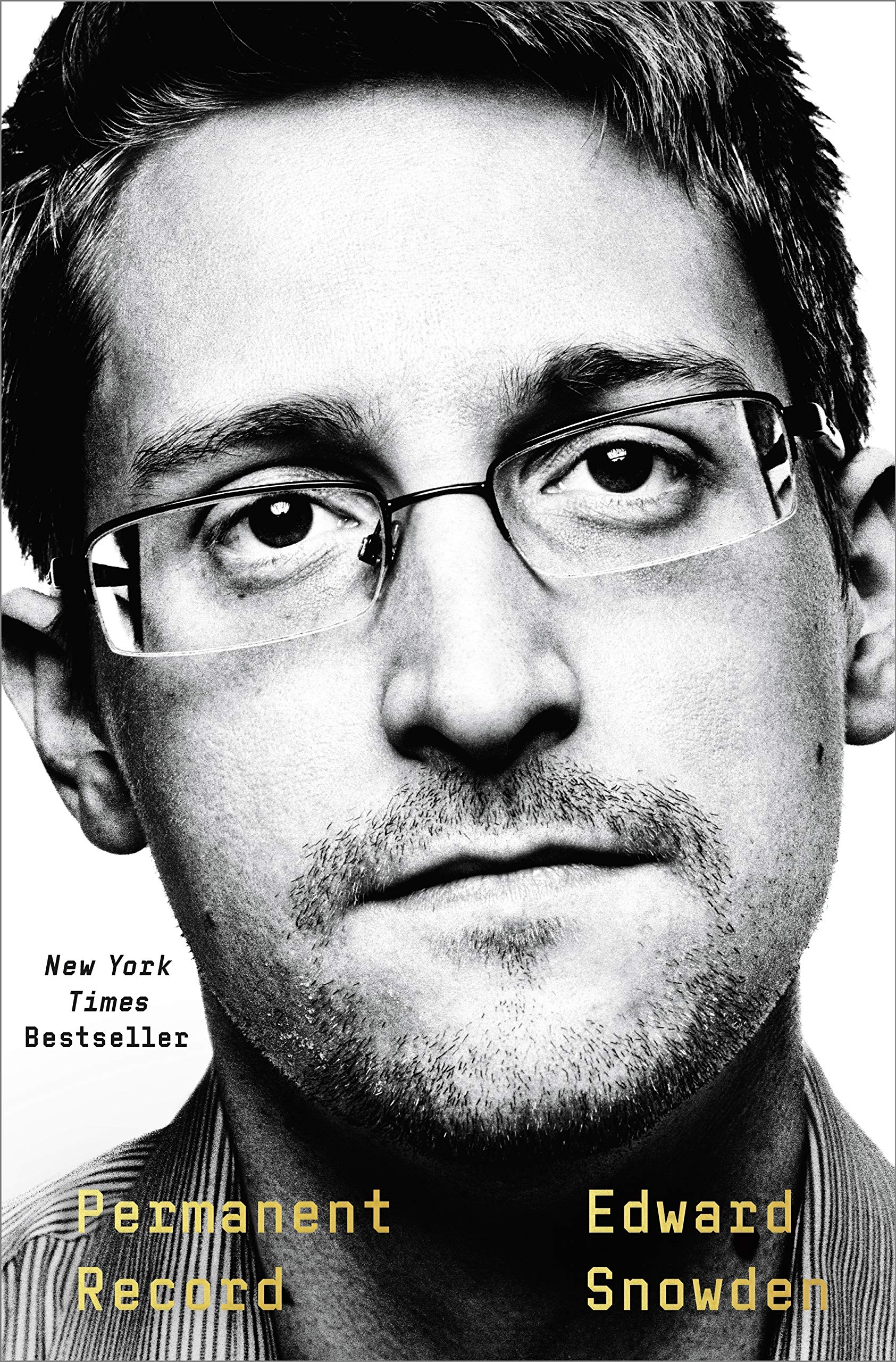
Book cover of Permanent Record

Permanent Record Summary

Humanity & Culture

By Edward Snowden

Metropolitan Books · September 17, 2019

Summary

"Permanent Record" is a compelling memoir penned by Edward Snowden, a name that has become synonymous with the fight for digital privacy. Snowden, who worked as a contractor for the U.S. National Security Agency, shocked the world when he revealed extensive government surveillance programs. In this book, he takes readers on a personal journey, starting from his early days in the tech field. We learn about his growing concerns regarding the overreach of government surveillance and his internal struggle to decide whether to expose the truth. Snowden's narrative is both intimate and powerful, as he shares the challenges he faced, including the decision to leave his home and live in exile. His story is not just about himself but also about the broader issues of privacy, security, and the balance between the two in the modern digital world. By reading "Permanent Record", one can understand the far-reaching implications of government surveillance on individuals' lives and the importance of holding those in power accountable. It's a must-read for anyone interested in the intersection of technology, government, and civil liberties.

About the Author

Edward Snowden is a well-known whistleblower. He writes in the non-fiction field, focusing on government surveillance. His style in "Permanent Record" is straightforward, presenting facts with clarity and impact.

Chapters

1

Introduction to Edward Snowden and the Book's Background

Edward Snowden is a well-known figure in the world of privacy and surveillance. His actions in leaking classified information from the National Security Agency (NSA) have had a profound impact on global discussions about privacy, government surveillance, and digital rights. "Permanent Record" is Snowden's account of his life, from his early days to the events that led to his decision to expose the NSA's mass surveillance programs.Snowden grew up in a family with a military and intelligence background. His father was a coast-guard officer, and his mother worked for the courts. This environment likely influenced his early interest in technology and security. As a young man, Snowden showed a remarkable aptitude for computers. He taught himself programming and quickly became proficient in various aspects of digital technology.He started his career in the IT field, working for government contractors involved in intelligence-related projects. Through these jobs, he gained access to classified information that would eventually change the course of his life. The book is not just a personal memoir but also a call to action regarding the importance of privacy in the digital age.


2

Early Life and Technological Journey

Snowden's early life was marked by a deep passion for technology. He was a self-taught computer enthusiast, spending countless hours learning about programming languages, network security, and operating systems. As a teenager, he was already involved in hacking and exploring the limits of computer systems, not with malicious intent but to understand how they worked.He attended high school in Maryland but dropped out to pursue a career in the tech industry. He took various IT-related courses and certifications, which helped him land his first job in the government-contracting sector. His work focused on securing government networks and providing technical support for intelligence operations.During this time, Snowden became increasingly aware of the government's growing surveillance capabilities. He saw how technology was being used to monitor citizens, not just in the United States but around the world. This awareness would later fuel his decision to take a stand. His early experiences in the tech world also gave him the skills and knowledge necessary to access and understand the complex surveillance systems that he would eventually expose.

3

The NSA and the Surveillance State

Snowden's employment at the NSA was a turning point in his life. He was initially hired as a contractor to work on cybersecurity projects. However, as he delved deeper into the NSA's operations, he discovered the vast scale of the agency's surveillance programs.The NSA was collecting massive amounts of data from various sources, including phone calls, emails, and internet browsing histories. This data was being stored in large-scale data centers and analyzed using advanced algorithms. The agency's surveillance was not limited to potential terrorists; it also targeted ordinary citizens, both in the United States and abroad.Snowden was shocked by the lack of transparency and accountability in these surveillance programs. He realized that the government was overstepping its bounds and violating the privacy rights of millions of people. The NSA's surveillance was based on the principle of "bulk collection," which meant that it was collecting data on a massive scale without specific suspicion of wrongdoing. This approach was in direct conflict with the Fourth Amendment of the United States Constitution, which protects citizens from unreasonable searches and seizures.

4

The Moral Dilemma

Once Snowden became aware of the extent of the NSA's surveillance, he faced a moral dilemma. On one hand, he had signed a confidentiality agreement and was bound by the laws of the United States. Disclosing classified information was a serious crime that could result in severe penalties, including imprisonment.On the other hand, he believed that the public had a right to know about the government's surveillance activities. He thought that the lack of transparency was a threat to democracy and individual freedoms. Snowden grappled with this decision for a long time, weighing the potential consequences of his actions.He consulted with several people he trusted, including human-rights activists and lawyers. They helped him understand the legal and ethical implications of his decision. Eventually, Snowden decided that the public's right to know outweighed the legal risks he faced. He believed that by exposing the NSA's surveillance programs, he could spark a national and international conversation about privacy and government overreach.

5

The Leak and Its Aftermath

Snowden's decision to leak the classified information was a carefully planned operation. He copied thousands of classified documents using portable storage devices. He then fled the United States, first to Hong Kong, where he met with journalists from The Guardian and The Washington Post.The publication of the leaked documents sent shockwaves around the world. It revealed the full extent of the NSA's surveillance programs, including the PRISM program, which allowed the agency to access data from major tech companies such as Google, Facebook, and Microsoft. The public was outraged by the revelations, and there were widespread calls for reform of the surveillance laws.The United States government responded by launching a manhunt for Snowden. He was charged with espionage and theft of government property. As a result, he was forced to seek asylum in Russia. His actions also led to a global debate about the balance between national security and individual privacy.

5 more chapters available

Continue listening in the Spickor app — free download on the App Store.

Listen in App

Why Spickor?

At Spickor, we believe knowledge should have no paywalls. Every book summary can be unlocked for free by watching a short ad — or you can choose an ad-free subscription. Unlike other apps, there's no "1 book per day" free limit. Learn at your own pace, on your own terms.

FeatureSpickorBlinkistHeadway
Free accessAll books free via ad unlock1 book/day only1 book/day only
Book library2,200+ across 8 categories9,000+ (non-fiction only)2,000+ (personal growth focus)
Paid subscriptionNo forced subscription; ad-supportedRequired; from $99.99/yrRequired; from $89.99/yr
Audio for all summariesYesPremium onlyPremium only
Novels & fictionYesNoNo
PlatformsiOS (Android & Web in dev)iOS / Android / WebiOS / Android only

All Books, Truly Free

Unlock any book with a short ad. No daily limits, no hidden fees.

Listen for Free

Every summary includes high-quality audio. No "premium only" labels.

Beyond Self-Help

8 categories including business, technology, and novels.

Listen in App
10 m 15 s