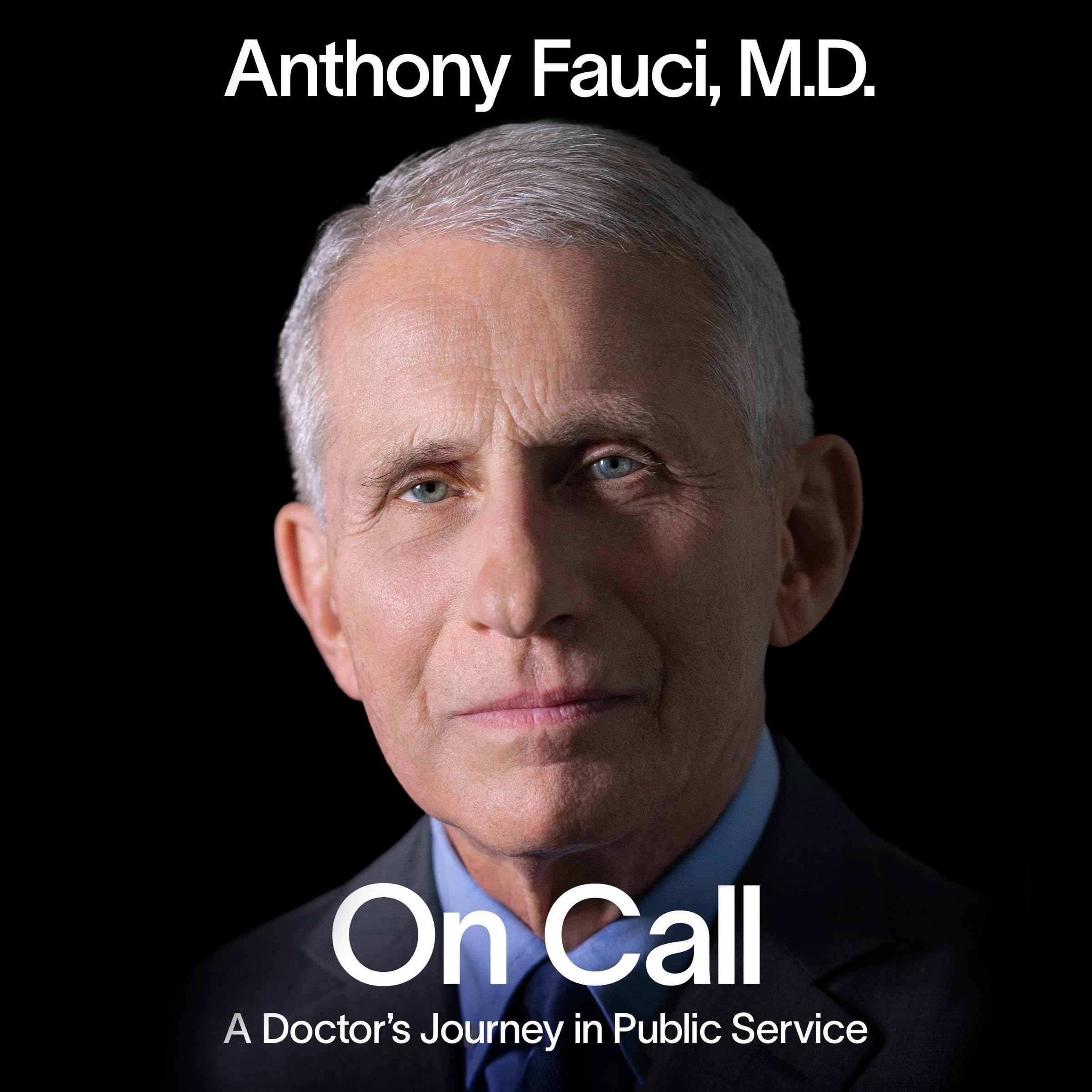
Book cover of On Call

On Call Summary

Humanity & Culture

By Anthony Fauci

Penguin Audio · June 18, 2024

Summary

"On Call" is a remarkable work by Anthony Fauci, a highly respected figure in the medical community. In this book, Fauci takes readers on a journey through his long-standing career. He delves into the complex world of healthcare, sharing his experiences in dealing with various health crises and challenges. Through his vivid accounts, Fauci provides a behind-the-scenes look at the decision-making processes, the scientific research, and the human element involved in medical work. Whether it's battling infectious diseases or formulating public health policies, Fauci's insights are both profound and engaging. This book is not just about the technical aspects of medicine but also about the passion and dedication required to make a difference in people's lives. It offers a unique perspective on the healthcare system and the role of medical professionals. For anyone curious about the inner workings of the medical field, "On Call" is an excellent resource.

About the Author

Anthony Fauci is a renowned immunologist. He writes in the medical and public-health field. His style in "On Call" is authoritative and informative, presenting complex medical knowledge clearly.

Chapters

1

Introduction to "On Call"

"On Call" is a significant work by Anthony Fauci, a well-known figure in the field of medicine. This book offers a deep exploration of the medical world, especially in the context of public health and infectious diseases. It provides insights into the challenges faced by medical professionals, the decision-making processes during health crises, and the importance of scientific research in combating diseases.


2

Fauci's Medical Journey

Anthony Fauci has had a long and illustrious medical career. He started his journey in the medical field with a passion for understanding the human body and finding solutions to various health problems. His early training in internal medicine and infectious diseases set the foundation for his future work. He joined the National Institutes of Health (NIH), where he dedicated himself to research. Over the years, he has witnessed and participated in numerous medical breakthroughs. His work has been at the forefront of combating some of the most serious diseases of our time, such as HIV/AIDS. His experiences in the early days of the AIDS epidemic were crucial in shaping his approach to public health. He saw firsthand the devastating impact of the disease on individuals and communities, which motivated him to find effective treatments and prevention strategies.

3

The Role of Science in Public Health

Science plays a central role in public health, as emphasized in the book. Scientific research is the key to understanding the nature of diseases, their transmission, and how to prevent and treat them. For example, in the case of infectious diseases, scientists study the pathogens, their behavior, and how they interact with the human body. This knowledge is then used to develop vaccines, drugs, and public health policies. Fauci highlights the importance of evidence-based decision-making in public health. Decisions about vaccination campaigns, quarantine measures, and treatment protocols should be based on scientific data. Without a solid scientific foundation, public health efforts can be ineffective or even counterproductive. In addition, scientific research also helps in predicting and preparing for future health threats. By studying past outbreaks and understanding the patterns of disease spread, scientists can develop early warning systems and contingency plans.

4

Dealing with Health Crises

Health crises, such as pandemics, pose significant challenges to the medical community and society as a whole. In "On Call," Fauci discusses how to handle these crises effectively. One of the key aspects is early detection. Timely identification of a new disease or an emerging health threat is crucial for taking appropriate action. This requires a well-established surveillance system that can detect unusual patterns of illness. Once a health crisis is detected, a coordinated response is necessary. This involves multiple stakeholders, including government agencies, medical professionals, and the public. Communication is also vital during a health crisis. Clear and accurate information should be provided to the public to prevent panic and ensure that people take the necessary precautions. For example, during the COVID-19 pandemic, Fauci was actively involved in communicating the latest scientific findings and guidelines to the public. He emphasized the importance of wearing masks, social distancing, and getting vaccinated.

5

The Importance of Vaccination

Vaccination is one of the most effective ways to prevent the spread of infectious diseases. Fauci strongly advocates for vaccination in the book. Vaccines work by stimulating the immune system to recognize and fight specific pathogens. They have been responsible for eradicating or significantly reducing the incidence of many diseases, such as smallpox, polio, and measles. However, vaccination also faces challenges. There are concerns about vaccine safety and effectiveness, which can lead to vaccine hesitancy among the public. Fauci addresses these concerns by providing scientific evidence about the safety and efficacy of vaccines. He explains that the benefits of vaccination far outweigh the risks. For example, the side effects of vaccines are usually mild and temporary, while the diseases they prevent can be life-threatening. In addition, he emphasizes the importance of herd immunity. When a large proportion of the population is vaccinated, it provides protection not only to the vaccinated individuals but also to those who cannot be vaccinated, such as infants and people with certain medical conditions.

5 more chapters available

Continue listening in the Spickor app — free download on the App Store.

Listen in App

Why Spickor?

At Spickor, we believe knowledge should have no paywalls. Every book summary can be unlocked for free by watching a short ad — or you can choose an ad-free subscription. Unlike other apps, there's no "1 book per day" free limit. Learn at your own pace, on your own terms.

FeatureSpickorBlinkistHeadway
Free accessAll books free via ad unlock1 book/day only1 book/day only
Book library2,200+ across 8 categories9,000+ (non-fiction only)2,000+ (personal growth focus)
Paid subscriptionNo forced subscription; ad-supportedRequired; from $99.99/yrRequired; from $89.99/yr
Audio for all summariesYesPremium onlyPremium only
Novels & fictionYesNoNo
PlatformsiOS (Android & Web in dev)iOS / Android / WebiOS / Android only

All Books, Truly Free

Unlock any book with a short ad. No daily limits, no hidden fees.

Listen for Free

Every summary includes high-quality audio. No "premium only" labels.

Beyond Self-Help

8 categories including business, technology, and novels.

Listen in App
9 m 33 s