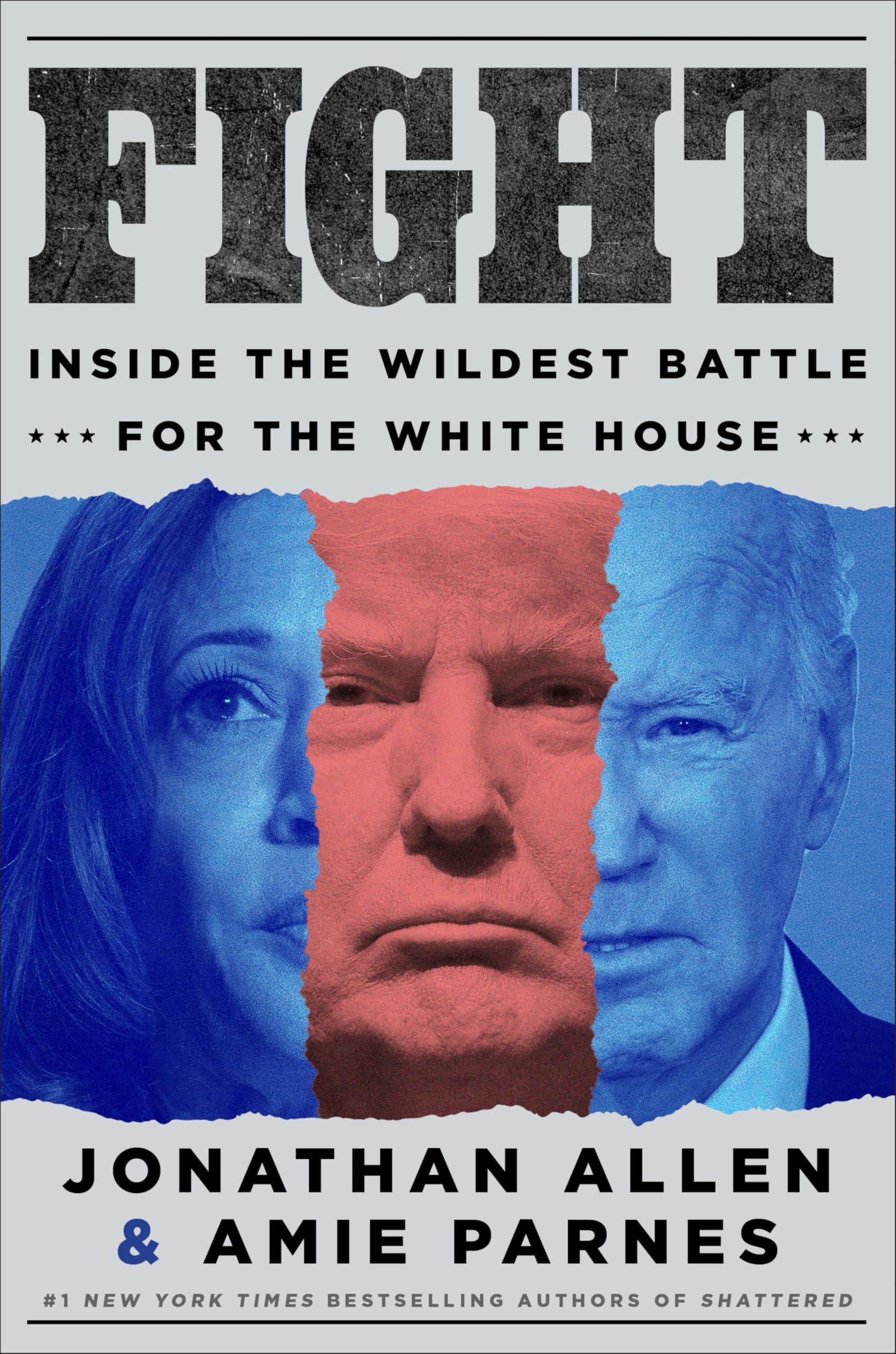
Book cover of Fight

Fight Summary

Humanity & Culture

By Amie Parnes

William Morrow · April 1, 2025

Summary

Fight, penned by Jonathan Allen and Amie Parnes, is a remarkable literary work that takes readers on an exciting journey. The book is filled with a series of compelling stories that unfold in a fast-paced manner. The authors have a unique ability to bring the characters and their struggles to life, making the readers feel as if they are right in the middle of the action. Whether it's the emotional battles or the high-stakes confrontations, every page is filled with suspense and drama. The writing style is both accessible and engaging, ensuring that readers of all backgrounds can enjoy the book. It provides a fresh perspective on the concept of fighting, not just in a physical sense but also in the emotional and psychological realms. This book is not only entertaining but also thought-provoking, leaving readers with a lot to ponder long after they've finished reading.

About the Author

Jonathan Allen and Amie Parnes are experienced journalists. They focus on political writing. Their style in "Fight" is incisive, presenting in-depth political insights with vivid details.

Chapters

1

Introduction: The Landscape of Political Struggle

In the political arena, the concept of "Fight" represents the intense battles and power plays that occur. Jonathan Allen and Amie Parnes take us into the heart of these political confrontations. Politics is not just about policy-making; it's a high-stakes game where individuals and groups vie for power, influence, and control. In this book, we'll explore the different fronts of this fight, from the corridors of power in Washington to the public opinion battles waged through the media.The political landscape is filled with various actors, including politicians, lobbyists, interest groups, and the media. Each has its own agenda and methods of achieving their goals. Politicians seek re-election, power, and the ability to implement their policies. Lobbyists work to influence legislation on behalf of their clients, whether they are large corporations or special interest groups. The media, on the other hand, shapes public perception and can either support or oppose political figures and policies.

2

The Power of Campaigns

Campaigns are a crucial part of the political fight. They are the means by which politicians try to win the hearts and minds of the voters. A well-run campaign can make or break a political career. It involves strategic planning, fundraising, and effective communication.Fundraising is the lifeblood of a campaign. Politicians need money to run advertisements, hire staff, and travel the country to meet voters. They often rely on donations from wealthy individuals, political action committees (PACs), and small donors. The ability to raise large sums of money can give a candidate a significant advantage over their opponents.Communication is also key. Candidates must be able to clearly articulate their message and connect with the voters. They use various mediums, such as television ads, social media, and public speeches. A good campaign message should address the concerns of the voters, whether it's the economy, healthcare, or national security.

3

Battles in Congress

Congress is the epicenter of political battles. Here, lawmakers from different parties clash over legislation, budgets, and appointments. The two major parties, the Democrats and the Republicans, often have opposing views on key issues.One of the main battles in Congress is over the budget. Each year, Congress must pass a budget to fund the government. This process is often filled with partisan wrangling, as each party tries to prioritize its own spending priorities. For example, Democrats may push for more funding for social programs, while Republicans may focus on tax cuts and military spending.Another area of conflict is the confirmation of presidential appointments. The Senate has the power to confirm or reject the president's nominees for key positions, such as Supreme Court justices and cabinet members. This process can be highly politicized, with each party trying to block or support the nominee based on their political ideology.

4

The Role of the Media

The media plays a significant role in the political fight. It can shape public opinion, hold politicians accountable, and influence the outcome of elections. In today's digital age, the media landscape has become more complex, with the rise of social media and 24-hour news channels.Social media has given ordinary people a voice in the political process. It allows them to share their opinions, organize protests, and hold politicians accountable. However, it also has its downsides. Fake news and misinformation can spread quickly on social media, which can have a negative impact on the political system.Traditional media, such as newspapers, television, and radio, still play an important role. They provide in-depth analysis and reporting on political events. However, they also face challenges, such as declining readership and viewership.

5

Lobbying and Interest Groups

Lobbying is a powerful force in the political fight. Lobbyists work on behalf of various interest groups, such as businesses, labor unions, and environmental organizations. They try to influence legislation and government policies to benefit their clients.Business lobbyists often focus on issues such as tax policy, trade, and regulation. They want to create a business-friendly environment that allows their clients to thrive. Labor unions, on the other hand, lobby for better working conditions, higher wages, and stronger labor laws. Environmental organizations lobby for policies that protect the environment, such as reducing carbon emissions and promoting renewable energy.Interest groups use various methods to influence politicians. They may make campaign contributions, meet with lawmakers, and organize grassroots campaigns. The influence of lobbying can be significant, as it can shape the outcome of legislation and government decisions.

5 more chapters available

Continue listening in the Spickor app — free download on the App Store.

Listen in App

Why Spickor?

At Spickor, we believe knowledge should have no paywalls. Every book summary can be unlocked for free by watching a short ad — or you can choose an ad-free subscription. Unlike other apps, there's no "1 book per day" free limit. Learn at your own pace, on your own terms.

FeatureSpickorBlinkistHeadway
Free accessAll books free via ad unlock1 book/day only1 book/day only
Book library2,200+ across 8 categories9,000+ (non-fiction only)2,000+ (personal growth focus)
Paid subscriptionNo forced subscription; ad-supportedRequired; from $99.99/yrRequired; from $89.99/yr
Audio for all summariesYesPremium onlyPremium only
Novels & fictionYesNoNo
PlatformsiOS (Android & Web in dev)iOS / Android / WebiOS / Android only

All Books, Truly Free

Unlock any book with a short ad. No daily limits, no hidden fees.

Listen for Free

Every summary includes high-quality audio. No "premium only" labels.

Beyond Self-Help

8 categories including business, technology, and novels.

Listen in App
9 m 34 s