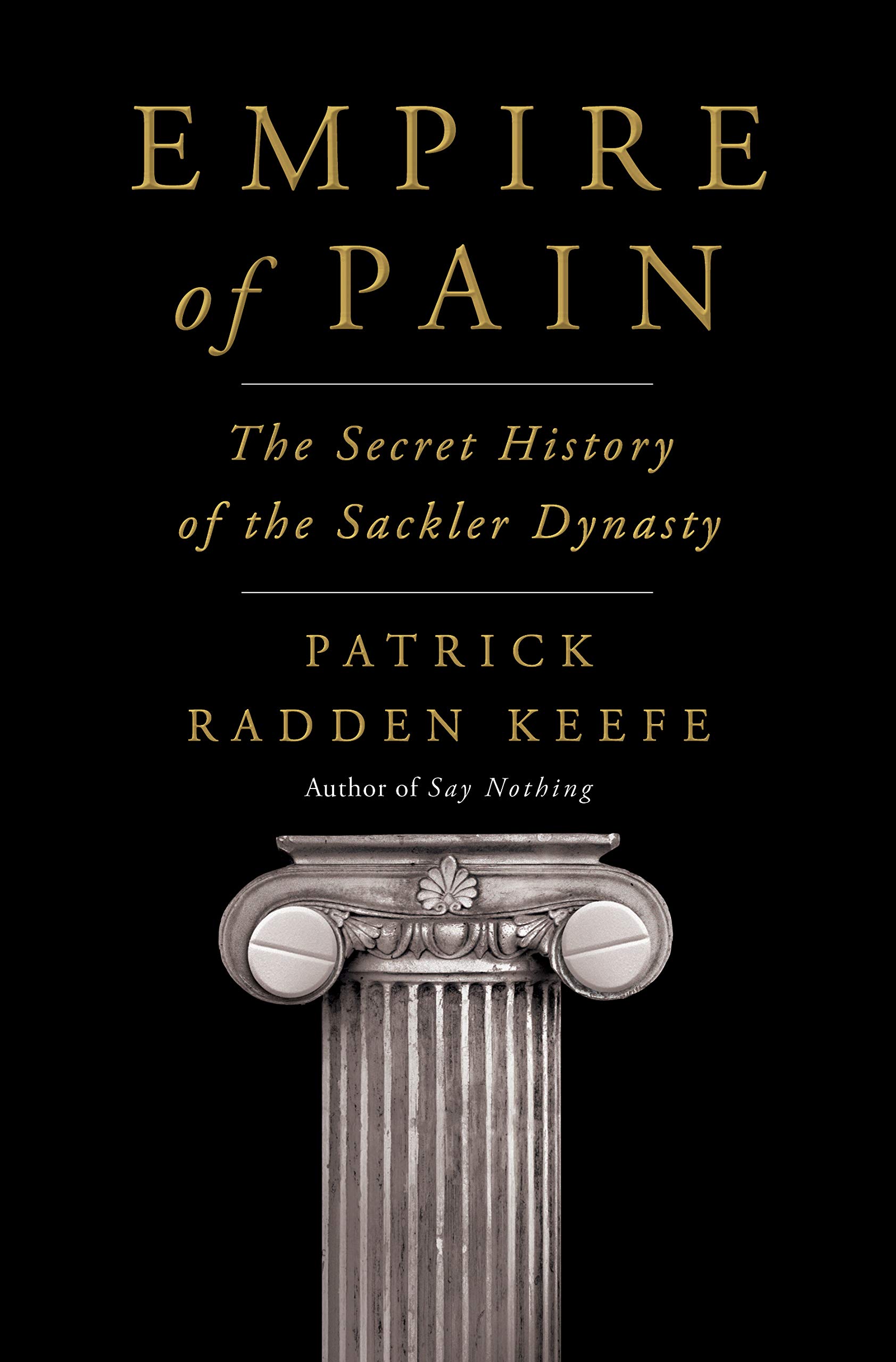
Book cover of Empire of Pain

Empire of Pain Summary

Humanity & Culture

By Patrick Radden Keefe

Anchor · April 13, 2021

Summary

"Empire of Pain" by Patrick Radden Keefe is a gripping exploration of the Sackler family and their role in the opioid crisis. The Sacklers, a wealthy and influential family, built an empire through their pharmaceutical company, Purdue Pharma, which developed and marketed OxyContin. Keefe meticulously traces the family's history, from their early days in the medical field to the creation of this highly addictive painkiller. The book reveals how the Sacklers aggressively promoted OxyContin, downplaying its risks and fueling a nationwide addiction epidemic. Through in-depth research and interviews, Keefe exposes the family's business tactics, legal maneuvers, and the human cost of their actions. It is not just a story about a pharmaceutical company; it is a cautionary tale about power, greed, and the impact of corporate decisions on society. As readers follow the narrative, they will be confronted with the complex web of relationships, financial interests, and ethical dilemmas that surround the Sackler family. "Empire of Pain" is a must-read for anyone interested in understanding the roots of the opioid crisis and the forces that have shaped modern healthcare.

About the Author

Patrick Radden Keefe is a renowned journalist and author. He specializes in true-crime and investigative non-fiction. His writing in "Empire of Pain" is detailed, engaging, and combines in-depth research with a narrative style.

Chapters

1

The Sackler Dynasty and the Opioid Crisis Introduction

The story of the opioid crisis in the United States is deeply intertwined with the Sackler family, one of the wealthiest and most influential families in the country. "Empire of Pain" by Patrick Radden Keefe delves into the rise of the Sackler dynasty and their role in the opioid epidemic that has devastated communities across America.

2

The Sackler Family Origins

The Sackler family's journey began in Brooklyn, New York. Three brothers-Arthur, Mortimer, and Raymond Sackler-were born into a Jewish immigrant family. Their father, Isaac Sackler, was a poor immigrant who worked as a grocer. Despite their humble beginnings, the Sackler brothers were extremely bright and ambitious. Arthur, the eldest, was a brilliant medical student who went on to become a psychiatrist. Mortimer and Raymond also pursued careers in the medical field.Arthur Sackler was particularly interested in the intersection of medicine and advertising. He saw an opportunity to use advertising techniques to promote pharmaceutical products. He started working for a small advertising agency and quickly rose through the ranks. He developed innovative marketing strategies that helped pharmaceutical companies sell their drugs more effectively. One of his early successes was promoting Valium, a highly addictive anti-anxiety drug. Through aggressive marketing, Valium became one of the most widely prescribed drugs in the United States.

3

The Birth of Purdue Pharma and OxyContin

The Sackler family acquired Purdue Pharma in 1952. At that time, it was a small, family-owned pharmaceutical company. Under the Sacklers' leadership, Purdue Pharma began to focus on developing new drugs. In 1995, Purdue Pharma introduced OxyContin, a powerful opioid painkiller.OxyContin was marketed as a revolutionary new pain medication. It was supposed to provide long-lasting pain relief with a lower risk of addiction compared to other opioids. Purdue Pharma's sales representatives were trained to convince doctors that OxyContin was a safe and effective treatment for a wide range of pain, including chronic pain. They targeted primary care physicians, who were often not as well-versed in the risks of opioids as pain specialists.The marketing campaign for OxyContin was extremely successful. Doctors began prescribing it at an alarming rate. Patients who were in pain, whether from injuries, surgeries, or chronic conditions, were eager to try this new wonder drug. However, the reality was far different from what Purdue Pharma had promised. OxyContin was just as addictive as other opioids, and in many cases, even more so.

4

Aggressive Marketing Tactics

Purdue Pharma used a variety of aggressive marketing tactics to promote OxyContin. They hosted lavish dinners and conferences for doctors, where they provided free food, drinks, and educational materials that downplayed the risks of OxyContin. They also paid doctors to give talks about the drug, essentially turning them into salespeople.The company's sales representatives were given strict quotas to meet. They were encouraged to visit as many doctors' offices as possible and convince them to prescribe OxyContin. They used high-pressure sales techniques, such as telling doctors that they were not doing enough to treat their patients' pain if they didn't prescribe OxyContin.Purdue Pharma also engaged in a campaign to discredit the idea that opioids were highly addictive. They funded research that supported their claim that OxyContin had a low risk of addiction. This research was often flawed, but it was used to influence doctors' prescribing decisions.

5

The Opioid Epidemic Unfolds

As the number of OxyContin prescriptions increased, so did the number of opioid-related problems. People who started taking OxyContin for legitimate pain often became addicted. When their prescriptions ran out, they would turn to other sources to get their fix. This led to a rise in illegal drug use, including the use of heroin, which is often cheaper and more accessible than prescription opioids.The opioid epidemic had a devastating impact on communities across the United States. There were increases in overdose deaths, crime rates, and the number of people seeking treatment for opioid addiction. Families were torn apart as loved ones struggled with addiction. In some areas, the epidemic was so severe that it overwhelmed local healthcare systems and law enforcement agencies.The Sackler family, however, continued to profit from OxyContin. They took billions of dollars out of Purdue Pharma in dividends, even as the evidence of the drug's harm became more and more clear.

5 more chapters available

Continue listening in the Spickor app — free download on the App Store.

Listen in App

Why Spickor?

At Spickor, we believe knowledge should have no paywalls. Every book summary can be unlocked for free by watching a short ad — or you can choose an ad-free subscription. Unlike other apps, there's no "1 book per day" free limit. Learn at your own pace, on your own terms.

FeatureSpickorBlinkistHeadway
Free accessAll books free via ad unlock1 book/day only1 book/day only
Book library2,200+ across 8 categories9,000+ (non-fiction only)2,000+ (personal growth focus)
Paid subscriptionNo forced subscription; ad-supportedRequired; from $99.99/yrRequired; from $89.99/yr
Audio for all summariesYesPremium onlyPremium only
Novels & fictionYesNoNo
PlatformsiOS (Android & Web in dev)iOS / Android / WebiOS / Android only

All Books, Truly Free

Unlock any book with a short ad. No daily limits, no hidden fees.

Listen for Free

Every summary includes high-quality audio. No "premium only" labels.

Beyond Self-Help

8 categories including business, technology, and novels.

Listen in App
9 m 04 s