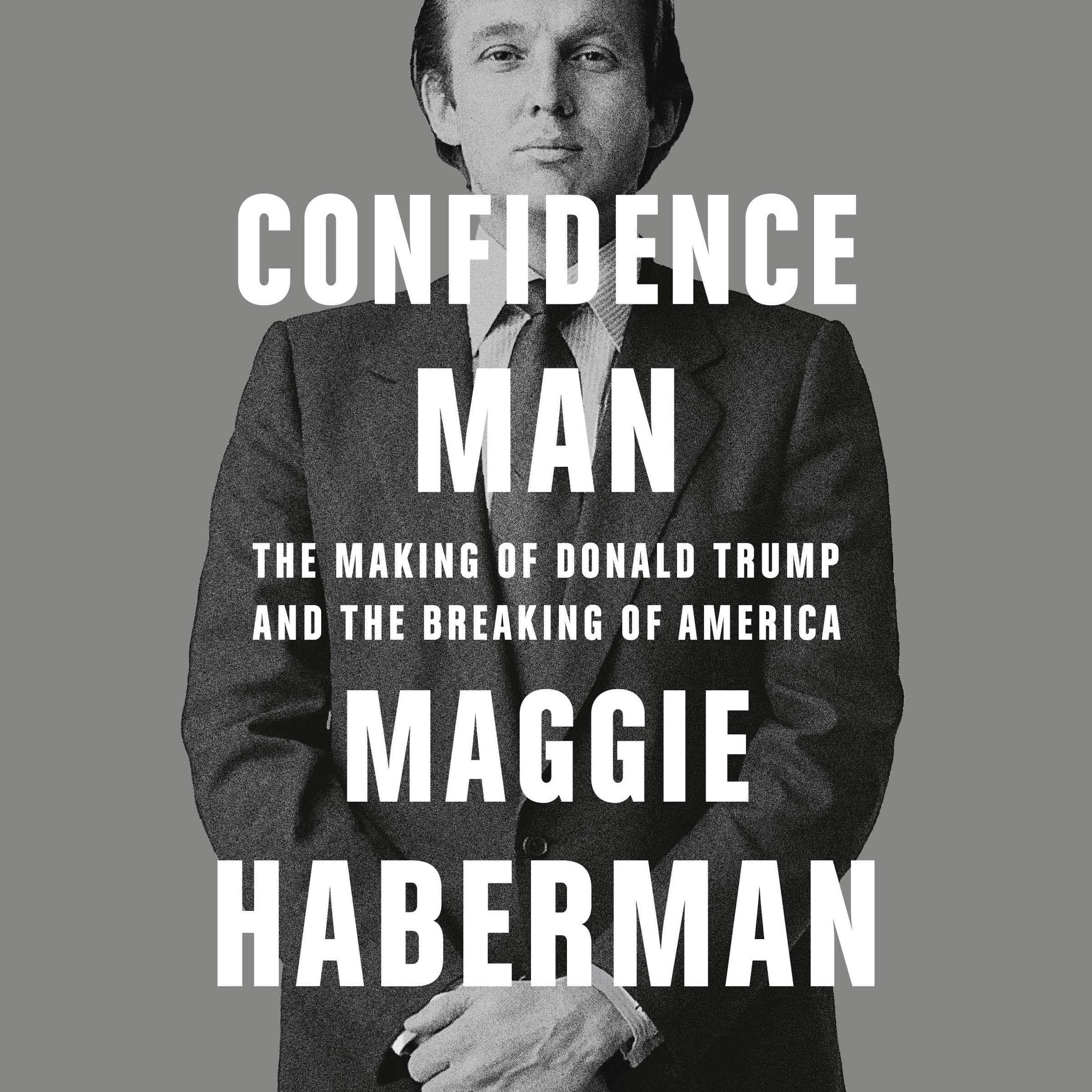
Book cover of Confidence Man

Confidence Man Summary

Humanity & Culture

By Maggie Haberman

Penguin Audio · October 04, 2022

Summary

Confidence Man, written by MAGGIE HABERMAN, is a riveting exploration of a figure who has mastered the art of manipulation. Haberman, with her journalistic prowess, delves into the life and tactics of the confidence man. The book takes the reader through various aspects of this individual's world, from his early days to the height of his influence. It shows how he uses charisma and deception to get what he wants. Through interviews and detailed accounts, the author paints a vivid picture of the confidence man's modus operandi. Whether it's in business dealings or social interactions, his ability to gain people's trust is both fascinating and alarming. This book is not just about one person; it's a reflection on the nature of trust and deception in our society. It makes the reader question who they can trust and how easily they can be misled. It's a must-read for those who are interested in human behavior and the darker side of charm.

About the Author

MAGGIE HABERMAN is a well-known journalist. Her writing focuses on political topics. In "Confidence Man", she presents a detailed and incisive account with a fact-based and analytical style.

Chapters

1

Introduction to the Confidence Man

The book "Confidence Man" by Maggie Haberman delves deep into the persona and actions of a figure who can be described as a confidence man. This individual has a significant impact on various aspects of society, politics, and the media. The story unfolds to reveal the complex web of relationships, power plays, and deceptions that are characteristic of a confidence man. A confidence man is someone who uses charm, charisma, and false promises to gain the trust of others and often manipulate them for personal gain. In this book, the subject is a well-known public figure whose actions have far-reaching consequences. The author explores how this person has managed to build a public image that is both alluring and controversial. The book starts by setting the stage, introducing the main character and the context in which he operates. It shows how he has navigated the political and social landscape, using his unique skills to rise to prominence. His ability to connect with people on an emotional level, even while spreading misinformation, is a key aspect of his success as a confidence man. This initial chapter also touches on the public's perception of this figure. Many are drawn to his larger-than-life personality, while others are skeptical. The author presents both sides of the coin, highlighting the divide in public opinion. The book's introduction serves as a foundation for the subsequent chapters, which will explore in more detail the various facets of the confidence man's life, his actions, and the impact he has on the world around him. It sets the tone for a deep-dive into the mind and methods of a person who has managed to captivate and confound so many.

2

Early Life and Influences

The early life of the confidence man is a crucial part of understanding his later actions. This chapter delves into his upbringing, family background, and the experiences that shaped his character. He was born into a family with a certain level of privilege. His family's wealth and social status provided him with opportunities that many others did not have. However, this also came with expectations and pressures. From a young age, he was exposed to the world of business and politics, which had a profound influence on his worldview. In his childhood, he showed signs of a strong personality. He was assertive and had a natural ability to command attention. His early education played a role in honing his skills. He attended prestigious schools where he learned about leadership, negotiation, and the art of persuasion. During his adolescence, he began to develop a taste for risk-taking. He was not afraid to challenge the status quo and was always looking for ways to stand out. His interactions with peers and mentors also influenced his development. Some of his mentors taught him the importance of networking and building relationships, which would later become key tools in his confidence-man toolkit. The early life experiences also instilled in him a sense of entitlement. He believed that he was destined for greatness and that he had the right to achieve his goals, even if it meant bending the rules. This mindset would have a significant impact on his later actions in the political and business arenas. As he grew older, he continued to refine his skills. He learned how to read people, understand their desires and fears, and use this knowledge to his advantage. His early life was a training ground for the confidence man he would become, shaping his approach to life and his interactions with others.

3

The Rise in Business

The confidence man's journey in the business world is a fascinating tale of ambition, risk-taking, and manipulation. This chapter explores how he managed to make a name for himself in the highly competitive business landscape. He started his business career with a series of high-risk ventures. He was not afraid to invest large sums of money in projects that others considered too risky. His ability to convince investors to back his ideas was a key factor in his early success. He used his charm and charisma to present his business plans in an appealing way, often downplaying the risks and emphasizing the potential rewards. One of his early business ventures was in the real estate industry. He bought and sold properties, often using creative financing methods. He was able to turn around struggling properties and make them profitable. His success in real estate gave him a platform to expand into other areas of business. He also ventured into the entertainment industry. He launched a reality TV show that became extremely popular. The show not only increased his public profile but also provided him with a new source of income. Through the show, he was able to showcase his personality and business acumen to a wide audience. However, his business practices were not always above board. He was involved in several legal disputes over the years, including issues related to contracts, taxes, and business ethics. Despite these challenges, he managed to maintain his business empire. His ability to bounce back from setbacks and continue to grow his business was a testament to his tenacity and his skills as a confidence man. The rise in business also allowed him to build a network of powerful contacts. He rubbed shoulders with other business leaders, politicians, and celebrities. This network would later prove to be invaluable in his political career.

4

Entry into Politics

The confidence man's entry into politics was a significant turning point in his life. This chapter explores how he made the transition from the business world to the political arena and the impact he had on the political landscape. He entered politics at a time when the political climate was ripe for change. There was a growing sense of dissatisfaction among the public with the traditional political establishment. He capitalized on this discontent by presenting himself as an outsider who could bring about real change. His campaign was characterized by bold and controversial statements. He used his charisma and ability to connect with people on an emotional level to attract a large following. His message of economic nationalism and anti-establishment sentiment resonated with many voters. During his campaign, he employed a variety of tactics to gain an edge. He used social media to spread his message directly to the public, bypassing the traditional media channels. His use of Twitter, in particular, was a powerful tool in his political arsenal. He could quickly and easily communicate with his supporters and stir up controversy. He also faced significant opposition from the political establishment. Many politicians and media outlets were critical of his policies and his style of campaigning. However, he was able to turn this opposition into a rallying point for his supporters. He portrayed himself as a victim of the "deep state" and the media, which further endeared him to his base. Once he was elected, he faced the challenge of governing. His administration was marked by a series of policy changes and executive orders. Some of these policies were aimed at fulfilling his campaign promises, while others were more controversial. His approach to governance was often unpredictable, which led to both support and criticism from different segments of the population.

5

Policy and Governance

The confidence man's policies and governance style had a profound impact on the country. This chapter examines the key policies he implemented and the consequences of his actions. One of the major policy areas he focused on was immigration. He proposed and implemented strict immigration policies, including building a wall along the southern border. His goal was to reduce illegal immigration and protect American jobs. However, these policies were met with significant opposition from various groups, including human rights organizations and some political parties. In the economic sphere, he implemented tax cuts and deregulation. He believed that these measures would stimulate economic growth and create jobs. While there was some short-term economic growth, there were also concerns about the long-term impact on the national debt and income inequality. He also made significant changes to the healthcare system. His attempts to repeal and replace the Affordable Care Act were met with mixed results. The healthcare debate was highly polarized, with both supporters and opponents of his proposals voicing their opinions. In foreign policy, he took a more isolationist approach. He questioned the value of international alliances and trade agreements. His actions, such as withdrawing from the Paris Climate Agreement and renegotiating NAFTA, had far-reaching implications for the global political and economic order. His governance style was often characterized by a lack of transparency and a disregard for traditional political norms. He frequently clashed with the media and other branches of government. His use of executive orders to bypass Congress was a source of controversy. Despite the challenges and criticisms, his policies had a lasting impact on the country. They reshaped the political and economic landscape and sparked intense debates about the role of government and the future of the nation.

5 more chapters available

Continue listening in the Spickor app — free download on the App Store.

Listen in App

Why Spickor?

At Spickor, we believe knowledge should have no paywalls. Every book summary can be unlocked for free by watching a short ad — or you can choose an ad-free subscription. Unlike other apps, there's no "1 book per day" free limit. Learn at your own pace, on your own terms.

FeatureSpickorBlinkistHeadway
Free accessAll books free via ad unlock1 book/day only1 book/day only
Book library2,200+ across 8 categories9,000+ (non-fiction only)2,000+ (personal growth focus)
Paid subscriptionNo forced subscription; ad-supportedRequired; from $99.99/yrRequired; from $89.99/yr
Audio for all summariesYesPremium onlyPremium only
Novels & fictionYesNoNo
PlatformsiOS (Android & Web in dev)iOS / Android / WebiOS / Android only

All Books, Truly Free

Unlock any book with a short ad. No daily limits, no hidden fees.

Listen for Free

Every summary includes high-quality audio. No "premium only" labels.

Beyond Self-Help

8 categories including business, technology, and novels.

Listen in App
19 m 29 s