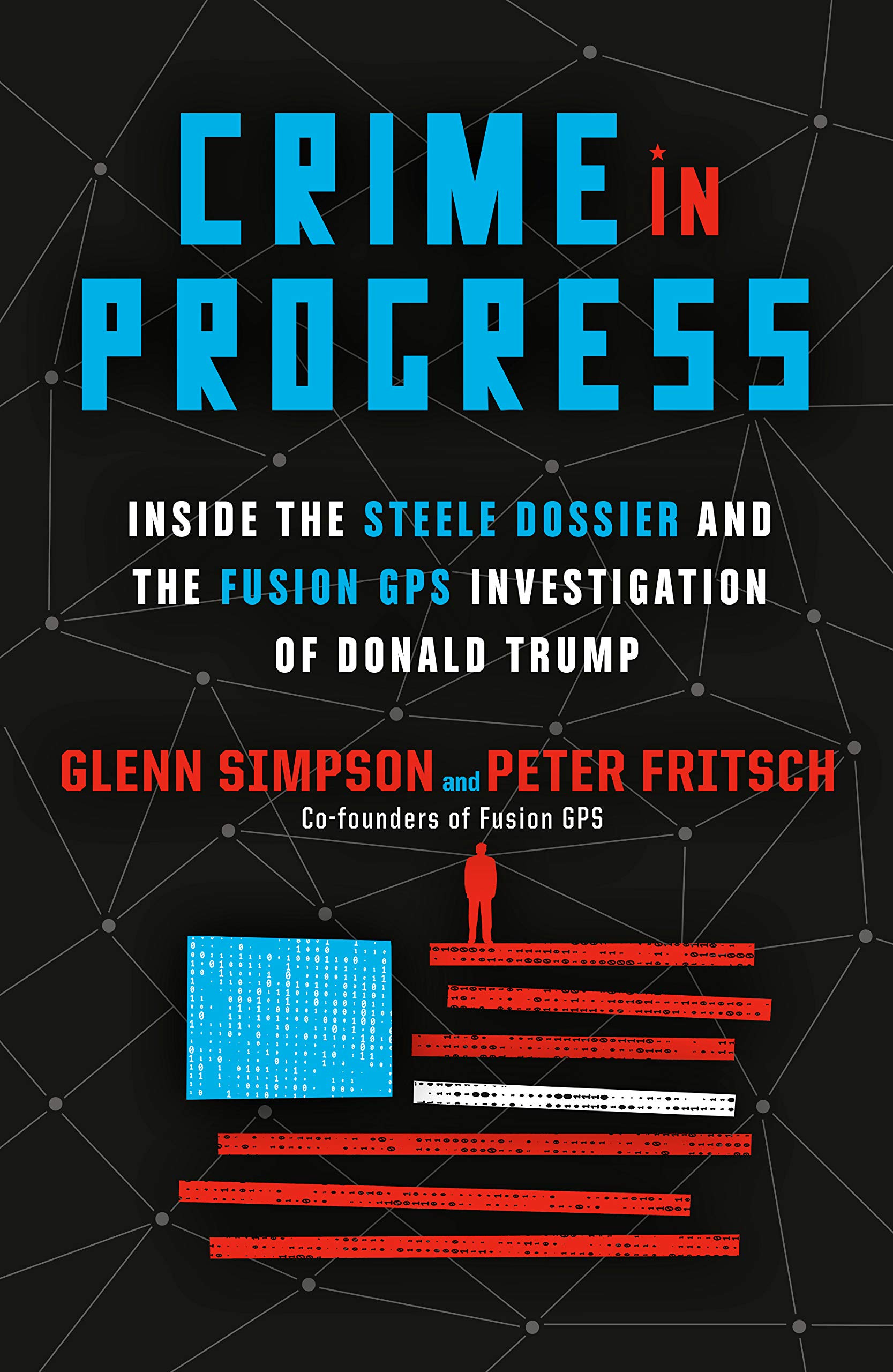
Book cover of Crime in Progress

Crime in Progress Summary

Lifestyle

By Peter Fritsch

Random House · November 26, 2019

Summary

Crime in Progress, penned by Glenn Simpson and Peter Fritsch, is a captivating book that delves deep into the realm of criminal activities as they happen. The authors draw on their expertise and access to real-life crime scenarios to provide a vivid and engaging account. In this book, readers will find themselves immersed in the dynamic world of crime, from the initial signs of a potential offense to the complex investigations that follow. It showcases the various methods criminals use and the strategies law enforcement agencies employ to counter them. Through detailed narratives, the book offers a behind-the-scenes look at how crimes are detected, analyzed, and ultimately solved. It's not just about the action; it also explores the human element, including the motivations of criminals and the dedication of those working to keep society safe. Whether you're interested in true crime stories or want to understand the inner workings of the criminal justice system, this book is a must-read.

About the Author

Glenn Simpson and Peter Fritsch are investigative journalists. They focus on crime-related writing. Their style in "Crime in Progress" is fact-based, presenting in-depth and engaging crime investigations.

Chapters

1

Introduction to Crime in Progress

"Crime in Progress" is a compelling book co-written by Glenn Simpson and Peter Fritsch. This work delves deep into the complex world of crime, exploring various aspects from the nature of criminal activities to the legal and social responses. It offers a comprehensive view that is both educational and thought-provoking. By understanding the core concepts presented in this book, readers can gain valuable insights into the criminal justice system and the broader implications of crime in society.


2

The Nature of Crime

Crime is not a monolithic concept. It encompasses a wide range of activities, from petty theft to large-scale organized crime. In this book, we learn that crime often stems from a combination of factors, including economic, social, and psychological elements. For example, poverty can drive individuals to commit theft as a means of survival. On the other hand, some criminals are motivated by a desire for power, control, or the thrill of breaking the law.The book also examines the different types of crime, such as violent crime, property crime, and white-collar crime. Violent crimes, like murder and assault, have a direct and immediate impact on victims. Property crimes, such as burglary and robbery, involve the theft of someone else's belongings. White-collar crimes, which are often committed by individuals in professional or business settings, can cause significant financial damage to companies and individuals.Understanding the nature of crime is crucial for developing effective strategies to prevent and combat it. By analyzing the root causes and patterns of criminal behavior, law enforcement agencies and policymakers can make more informed decisions.

3

Organized Crime Networks

Organized crime is a major concern in modern society. These criminal networks operate across national and international boundaries, engaging in a variety of illegal activities. They are often highly structured, with clear hierarchies and division of labor.One of the key characteristics of organized crime is its ability to adapt and evolve. For instance, as law enforcement agencies crack down on traditional forms of organized crime, such as drug trafficking, these groups may shift their focus to other areas, like cyber-crime. The book details how organized crime groups use sophisticated methods to launder money, hide their assets, and avoid detection.They also have a significant impact on the economies of the regions where they operate. They can disrupt legitimate businesses, undermine the rule of law, and corrupt public officials. By studying these organized crime networks, we can better understand how to disrupt their operations and protect society from their harmful effects.

4

The Role of Law Enforcement

Law enforcement agencies play a vital role in combating crime. They are responsible for investigating criminal activities, making arrests, and bringing criminals to justice. However, they face numerous challenges in their work.One of the challenges is the limited resources available to law enforcement. They often have to deal with a large number of cases with a relatively small number of officers. This can lead to delays in investigations and prosecution. Additionally, criminals are constantly finding new ways to evade detection, such as using advanced technology.The book also discusses the importance of cooperation between different law enforcement agencies, both at the local and international levels. By sharing information and resources, they can be more effective in combating crime. For example, international cooperation is essential in dealing with transnational organized crime.

5

Criminal Justice System

The criminal justice system is a complex set of institutions and processes designed to enforce the law and punish criminals. It includes the police, the courts, and the correctional facilities.The police are responsible for investigating crimes and making arrests. Once a suspect is arrested, the case goes to the courts. The courts are responsible for determining guilt or innocence and imposing appropriate sentences. If a person is found guilty, they may be sent to a correctional facility, such as a prison or a probation program.However, the criminal justice system is not without its flaws. There are issues such as racial and economic disparities in the system. For example, minorities are often more likely to be arrested, convicted, and receive harsher sentences compared to their white counterparts. The book explores these issues and suggests ways to improve the fairness and effectiveness of the criminal justice system.

5 more chapters available

Continue listening in the Spickor app — free download on the App Store.

Listen in App

Why Spickor?

At Spickor, we believe knowledge should have no paywalls. Every book summary can be unlocked for free by watching a short ad — or you can choose an ad-free subscription. Unlike other apps, there's no "1 book per day" free limit. Learn at your own pace, on your own terms.

FeatureSpickorBlinkistHeadway
Free accessAll books free via ad unlock1 book/day only1 book/day only
Book library2,200+ across 8 categories9,000+ (non-fiction only)2,000+ (personal growth focus)
Paid subscriptionNo forced subscription; ad-supportedRequired; from $99.99/yrRequired; from $89.99/yr
Audio for all summariesYesPremium onlyPremium only
Novels & fictionYesNoNo
PlatformsiOS (Android & Web in dev)iOS / Android / WebiOS / Android only

All Books, Truly Free

Unlock any book with a short ad. No daily limits, no hidden fees.

Listen for Free

Every summary includes high-quality audio. No "premium only" labels.

Beyond Self-Help

8 categories including business, technology, and novels.

Listen in App
9 m 41 s