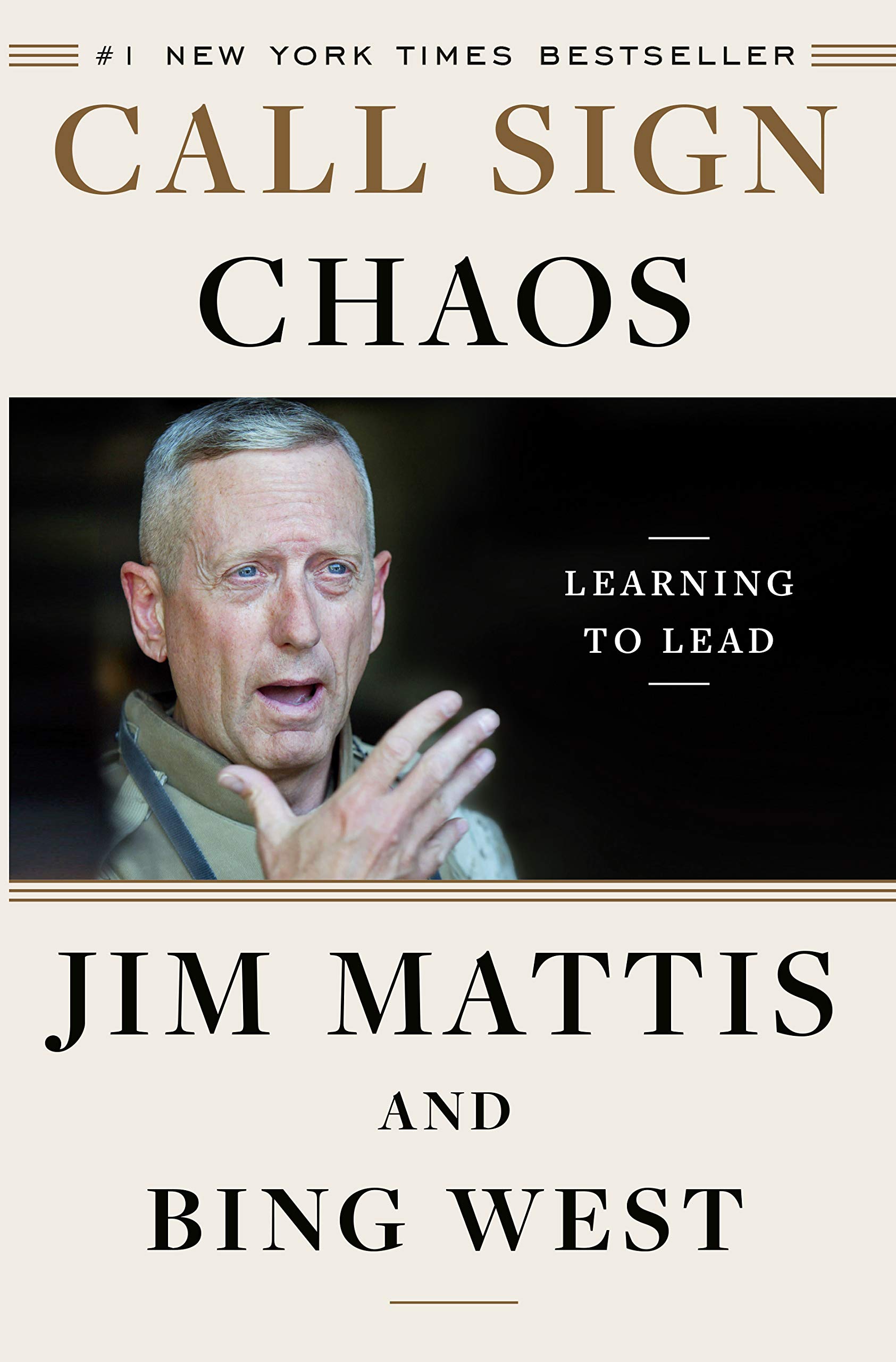
Book cover of Call Sign Chaos

Call Sign Chaos Summary

Humanity & Culture

By Bing West

Random House · September 3, 2019

Summary

Call Sign Chaos is a remarkable book co-authored by Jim Mattis, a highly respected military figure, and Bing West. The book delves deep into the military realm, presenting a rich tapestry of stories and lessons. It takes readers on a journey through various military campaigns and operations. Through vivid descriptions, it showcases the complex nature of military leadership, the importance of teamwork, and the art of making tough decisions under pressure. Mattis and West share their firsthand experiences, which not only provide a window into the military's inner workings but also offer universal wisdom that can be applied in different aspects of life. Whether it's understanding the dynamics of group cooperation or learning about strategic planning, this book has something to offer. It is a captivating read for those interested in military history, leadership, and the human side of warfare.

About the Author

Jim Mattis and Bing West are military-related authors. They focus on military and strategic themes. Their writing in "Call Sign Chaos" is fact-based and engaging, presenting in-depth military insights.

Chapters

1

Introduction to Leadership and Strategy

In "Call Sign Chaos," Jim Mattis and Bing West offer a profound exploration of leadership and strategy through real-world military experiences. The book is not just a military memoir but a guide on how to lead effectively in high-pressure and complex situations. Mattis, a highly respected military leader, shares his insights on decision-making, teamwork, and the importance of understanding the cultural and political context in any operation. The authors emphasize that leadership is not about holding a high-ranking position but about inspiring and guiding others to achieve common goals. They introduce the concept of "shared risk," where leaders are willing to put themselves in the same dangerous situations as their subordinates. This builds trust and loyalty within the team. In the military, strategy is not only about winning battles but also about achieving long-term objectives. Mattis and West explain that a good strategy requires a deep understanding of the enemy, the terrain, and the available resources. It also involves being flexible and adaptable, as the situation on the ground can change rapidly.


2

The Foundation of Leadership

Effective leadership starts with self-awareness. Leaders need to understand their own strengths and weaknesses. Mattis emphasizes the importance of continuous learning and self-improvement. A leader should be well-read, not just in military tactics but also in history, philosophy, and other fields. This broad knowledge base helps in making more informed decisions. Another key aspect of leadership is the ability to communicate clearly. In the military, miscommunication can lead to disastrous consequences. Leaders must be able to convey their intentions, plans, and expectations to their team members. They should also be good listeners, as the insights of subordinates can be invaluable. Teamwork is the cornerstone of successful leadership. A leader should create an environment where team members feel valued and respected. Encouraging open communication and collaboration within the team helps to leverage the diverse skills and perspectives of each individual.

3

Understanding the Enemy

In military operations, understanding the enemy is crucial. Mattis and West discuss the importance of intelligence gathering. This involves not only knowing the enemy's military capabilities but also their cultural, political, and social context. For example, in the Middle East, understanding the tribal structures and religious beliefs can provide valuable insights into the enemy's behavior. The authors also stress the need to avoid stereotypes. Just because an enemy belongs to a certain group or has a particular ideology does not mean they all think and act the same way. By studying the enemy in detail, leaders can develop more effective strategies to counter them. Moreover, the concept of "winning hearts and minds" is introduced. Instead of just focusing on military force, it is important to gain the support of the local population. This can be achieved through providing basic services, respecting local customs, and building relationships.

4

Decision-Making Under Pressure

In the military, decisions often need to be made quickly under extreme pressure. Mattis and West explain that good decision-making is based on a combination of experience, knowledge, and intuition. Leaders should not be afraid to take risks, but they should also calculate the potential consequences. The authors introduce the concept of "mission command." This means giving subordinates the freedom to make decisions within the framework of the overall mission. This approach not only empowers the team members but also allows for more flexibility in responding to changing situations. During high-pressure situations, it is important for leaders to stay calm and composed. Panic can spread quickly through a team and lead to poor decision-making. By maintaining a sense of calm, leaders can inspire confidence in their subordinates.

5

Cultural Awareness in Military Operations

Cultural awareness is a vital part of military operations, especially in international settings. Mattis and West highlight that different cultures have different values, norms, and ways of communication. For example, in some cultures, direct eye contact may be considered disrespectful, while in others, it is a sign of confidence. Understanding cultural differences can help in building relationships with local populations and allies. It can also prevent misunderstandings that could lead to conflicts. The authors provide examples of how cultural awareness has been used effectively in military operations to gain the trust of the local people. In addition, cultural awareness is important when dealing with enemy groups. By understanding their cultural background, leaders can better predict their behavior and develop more effective strategies to counter them.

5 more chapters available

Continue listening in the Spickor app — free download on the App Store.

Listen in App

Why Spickor?

At Spickor, we believe knowledge should have no paywalls. Every book summary can be unlocked for free by watching a short ad — or you can choose an ad-free subscription. Unlike other apps, there's no "1 book per day" free limit. Learn at your own pace, on your own terms.

FeatureSpickorBlinkistHeadway
Free accessAll books free via ad unlock1 book/day only1 book/day only
Book library2,200+ across 8 categories9,000+ (non-fiction only)2,000+ (personal growth focus)
Paid subscriptionNo forced subscription; ad-supportedRequired; from $99.99/yrRequired; from $89.99/yr
Audio for all summariesYesPremium onlyPremium only
Novels & fictionYesNoNo
PlatformsiOS (Android & Web in dev)iOS / Android / WebiOS / Android only

All Books, Truly Free

Unlock any book with a short ad. No daily limits, no hidden fees.

Listen for Free

Every summary includes high-quality audio. No "premium only" labels.

Beyond Self-Help

8 categories including business, technology, and novels.

Listen in App
9 m 27 s