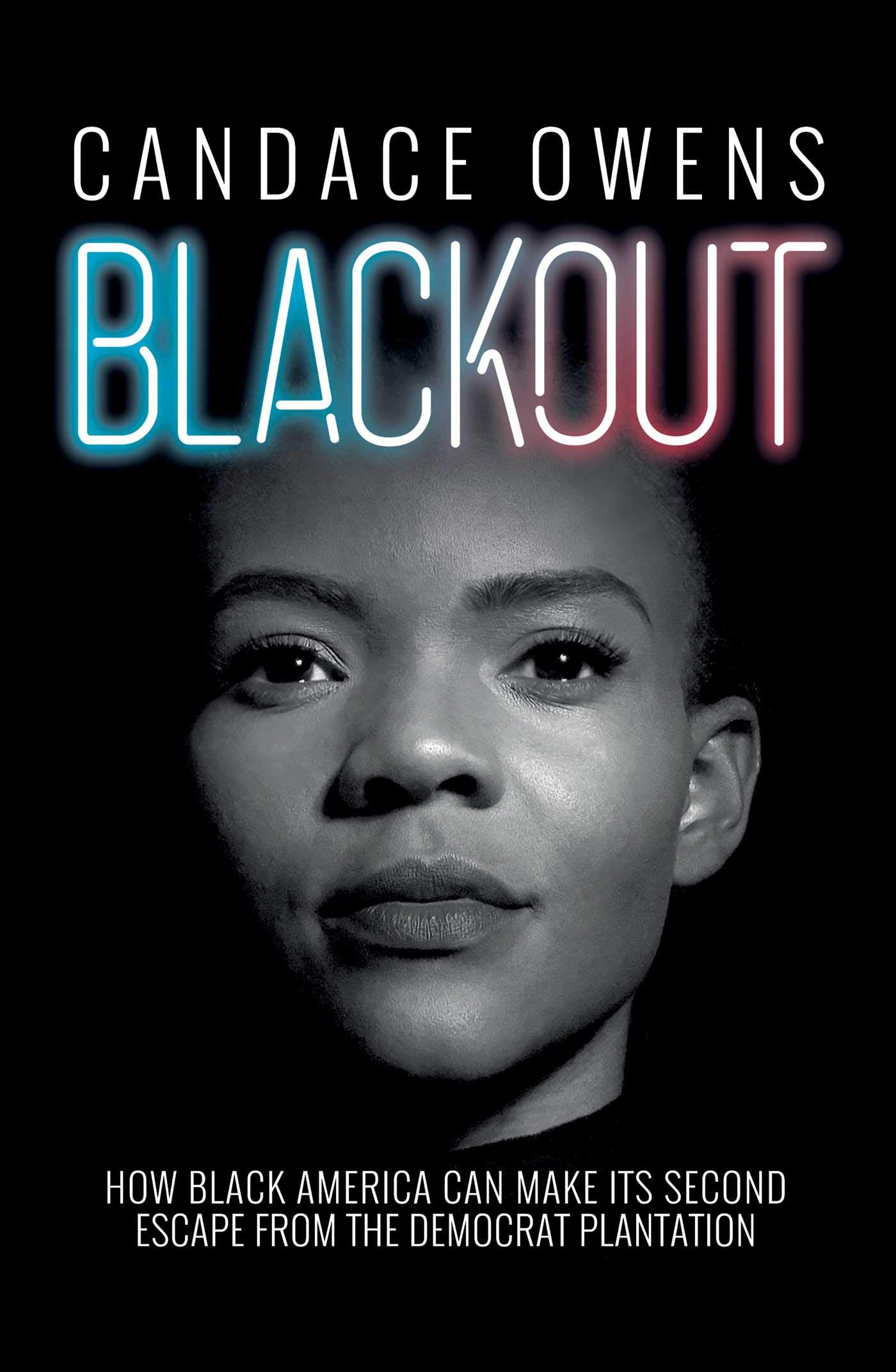
Book cover of Blackout

Blackout Summary

Humanity & Culture

By Candace Owens

Threshold Editions · September 15, 2020

Summary

Blackout, penned by Candace Owens, is a captivating literary work that delves deep into the current social and cultural landscape. Owens, known for her unapologetic stance, uses this book as a platform to voice her opinions on a wide range of topics. She navigates through controversial subjects, offering a fresh and often contrarian take. Her writing style is engaging, making it accessible to a broad audience. Whether it's discussions about race, politics, or social norms, Owens presents her arguments with conviction. This book is not just about stating facts; it's about sparking conversations and making readers question their own beliefs. It's an invitation to step out of the echo-chamber and engage in meaningful dialogue about the issues that matter most in contemporary society.

About the Author

Candace Owens is a well-known conservative commentator and author. She specializes in writing on political and social issues. Her style in "Blackout" is direct, incisive, and unapologetically opinionated.

Chapters

1

Introduction to "Blackout"

"Blackout" by Candace Owens is a thought-provoking book that delves deep into various aspects of modern society, especially focusing on issues related to race, culture, and personal responsibility. Owens challenges many of the mainstream narratives and offers a fresh perspective on how individuals, particularly those in the black community, can take control of their lives and futures.


2

The Illusion of Victimhood

In this chapter, the book addresses the widespread perception of victimhood that has become prevalent in modern society, especially within the black community. Many people have been conditioned to believe that they are victims of systemic oppression, and this mindset has led to a sense of helplessness. However, Owens argues that this victim-centered view is an illusion. She points out that while there have been historical injustices, constantly dwelling on them and using them as an excuse for lack of progress is counterproductive. For example, in the education system, some students may blame their poor performance on the so-called "systemic racism" rather than taking responsibility for their own studies. Owens believes that by breaking free from the victim mindset, individuals can start to make positive changes in their lives. They can focus on self-improvement, set goals, and work towards achieving them. This shift in mindset is crucial for personal growth and for the betterment of the community as a whole. Moreover, the victimhood narrative often leads to a sense of entitlement. People who see themselves as victims may expect handouts or special treatment, rather than working hard to earn what they want. Owens encourages individuals to recognize their own potential and take the initiative to create opportunities for themselves. By doing so, they can break the cycle of dependency and build a more prosperous future.

3

Media Manipulation

The media plays a significant role in shaping public opinion, and "Blackout" highlights how the media often manipulates the truth, especially when it comes to issues of race. The mainstream media has a tendency to present a one-sided view, often exaggerating certain events to fit a particular narrative. For instance, when it comes to incidents involving police and black individuals, the media may focus on the negative aspects and create a false image of widespread police brutality. This can lead to public outrage and social unrest. Owens argues that the media fails to present the full context of these events, and in doing so, it fuels division and animosity. The media also has a role in promoting certain political agendas. It often presents a narrative that aligns with the interests of certain groups, rather than providing objective information. This can be seen in the way the media covers issues such as affirmative action or social welfare programs. By manipulating the public's perception, the media can influence people's opinions and voting behavior. To counter this, Owens encourages readers to be critical of the information they receive from the media. They should seek out multiple sources of information and analyze the facts for themselves. By being informed and discerning, individuals can make more rational decisions and not be swayed by the media's false narratives.

4

The Importance of Personal Responsibility

Personal responsibility is a central theme in "Blackout". Owens emphasizes that each individual is responsible for their own actions and choices. In a society where there is a growing trend of blaming external factors for one's problems, Owens argues that taking personal responsibility is the key to success.For example, in the economic sphere, many people may blame the system for their financial difficulties. However, Owens points out that individuals have the power to make better financial decisions, such as saving money, investing, and developing skills that can lead to better job opportunities. By taking control of their finances, people can break free from the cycle of poverty.In the area of education, students should take responsibility for their learning. Instead of relying on teachers or the school system to provide all the answers, they should be proactive in seeking knowledge and improving their skills. This self-directed approach to learning can lead to better academic outcomes.Personal responsibility also extends to one's health. People should take care of their bodies by eating a healthy diet, exercising regularly, and avoiding harmful habits. By taking responsibility for their health, individuals can lead happier and more productive lives.

5

The Dangers of Identity Politics

Identity politics has become a dominant force in modern society, and "Blackout" warns about its dangers. Identity politics divides people based on their race, gender, or other characteristics, creating a sense of "us" versus "them". This can lead to social fragmentation and a breakdown in communication.For example, in the political arena, candidates often appeal to specific identity groups, promising to address their particular concerns. This can lead to a situation where different groups are pitted against each other, rather than working towards common goals. Owens argues that this approach is counterproductive and can lead to a more divided society.Identity politics also has a negative impact on individual freedom. When people are defined by their group identity, they may feel pressured to conform to the group's ideology. This can limit their ability to think independently and express their own opinions. Moreover, identity politics can lead to a sense of victimhood within certain groups. By emphasizing the group's historical grievances, it can create a culture of resentment and entitlement. Owens believes that we should move beyond identity politics and focus on individual merit and shared values.

6 more chapters available

Continue listening in the Spickor app — free download on the App Store.

Listen in App

Why Spickor?

At Spickor, we believe knowledge should have no paywalls. Every book summary can be unlocked for free by watching a short ad — or you can choose an ad-free subscription. Unlike other apps, there's no "1 book per day" free limit. Learn at your own pace, on your own terms.

FeatureSpickorBlinkistHeadway
Free accessAll books free via ad unlock1 book/day only1 book/day only
Book library2,200+ across 8 categories9,000+ (non-fiction only)2,000+ (personal growth focus)
Paid subscriptionNo forced subscription; ad-supportedRequired; from $99.99/yrRequired; from $89.99/yr
Audio for all summariesYesPremium onlyPremium only
Novels & fictionYesNoNo
PlatformsiOS (Android & Web in dev)iOS / Android / WebiOS / Android only

All Books, Truly Free

Unlock any book with a short ad. No daily limits, no hidden fees.

Listen for Free

Every summary includes high-quality audio. No "premium only" labels.

Beyond Self-Help

8 categories including business, technology, and novels.

Listen in App
12 m 51 s