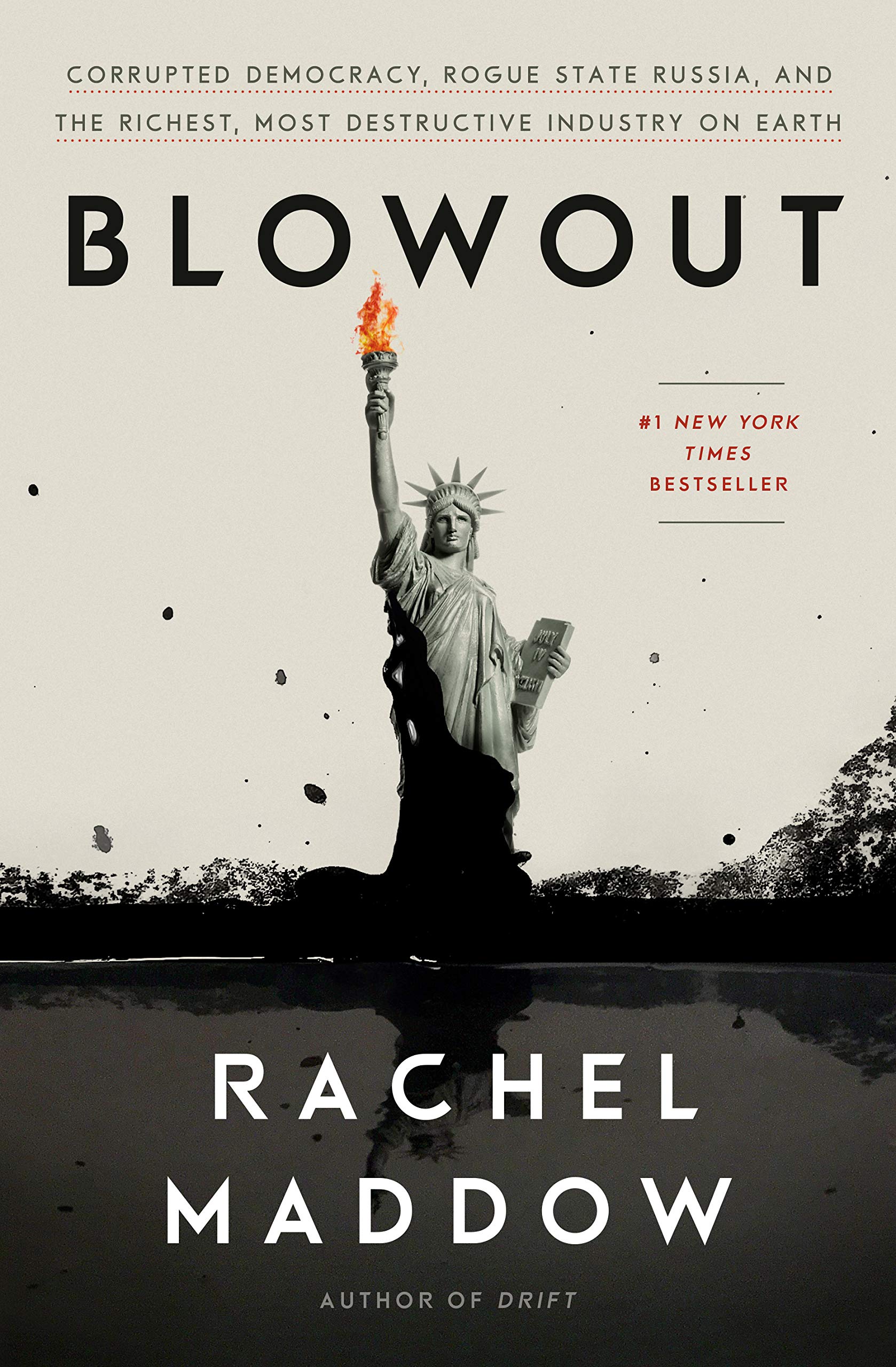
Book cover of Blowout

Blowout Summary

Humanity & Culture

By Rachel Maddow

Crown · October 1, 2019

Summary

Blowout, written by Rachel Maddow, is a captivating exploration of the energy industry. Maddow takes readers on a journey through the complex web of energy production, from oil and gas to renewable sources. She uncovers the often-overlooked environmental consequences of our energy choices, such as pollution and climate change. The book also shines a light on the political power plays within the industry, where big corporations and governments interact. Maddow uses real-life examples and in-depth research to present a comprehensive view. Whether it's the fracking boom in the United States or the global race for clean energy, Blowout offers a fresh perspective. It challenges readers to think about the future of energy and how our current actions can shape it. This is not just a book about energy; it's a call to action for a more sustainable world.

About the Author

Rachel Maddow is a well-known American journalist and author. She specializes in political and environmental writing. Her style in "Blowout" is incisive, combining in-depth research with engaging storytelling.

Chapters

1

Introduction to the Energy Landscape

The book "Blowout" delves deep into the complex and often hidden world of the energy industry. It starts by painting a broad picture of the current state of the energy sector, which is dominated by fossil fuels. Fossil fuels, including oil, coal, and natural gas, have been the primary sources of energy for decades. They power our cars, heat our homes, and fuel industries around the world. However, this heavy reliance on fossil fuels comes with a high cost.The extraction and consumption of fossil fuels have led to significant environmental problems. For example, burning coal releases large amounts of carbon dioxide into the atmosphere, contributing to global warming. Oil spills during extraction and transportation can cause severe damage to marine ecosystems. Natural gas extraction, especially through methods like fracking, has also raised concerns about water pollution and seismic activity.In addition to environmental issues, the energy industry is also marked by geopolitical tensions. Many countries are highly dependent on imported oil and gas, which can lead to political instability and conflicts. The control of energy resources has become a major factor in international relations, with countries vying for access to oil fields and pipelines.


2

The History of Fossil Fuel Extraction

The history of fossil fuel extraction dates back centuries. The first commercial coal mines were established in the 18th century, and the discovery of oil in the 19th century revolutionized the energy industry. The development of new extraction technologies, such as the drilling rig, made it possible to access oil and gas reserves deep underground.Over time, the scale of fossil fuel extraction has grown exponentially. Large oil companies have emerged, controlling vast reserves and influencing global energy markets. These companies have invested heavily in exploration and production, using advanced technologies to extract more oil and gas from the ground.However, the history of fossil fuel extraction is also marked by numerous disasters. Oil spills, such as the Exxon Valdez spill in 1989 and the Deepwater Horizon spill in 2010, have had a devastating impact on the environment. Coal mining accidents have also claimed the lives of thousands of workers. These disasters have highlighted the risks associated with fossil fuel extraction and the need for better safety regulations.

3

The Role of Big Oil Companies

Big oil companies play a central role in the energy industry. They have significant financial resources and political influence, which allows them to shape energy policies and regulations. These companies are often involved in large-scale exploration and production projects, both at home and abroad.One of the key strategies of big oil companies is to expand their reserves. They invest in exploration activities to find new oil and gas fields, often in remote and environmentally sensitive areas. This has led to conflicts with local communities and environmental groups, who are concerned about the impact of these projects on the environment and their way of life.Big oil companies also have a significant influence on government policies. They lobby for favorable regulations, such as tax breaks and subsidies, to support their operations. In some cases, they have been accused of using their political influence to block efforts to transition to renewable energy sources.

4

Environmental Impacts of Fossil Fuels

The environmental impacts of fossil fuels are far-reaching. As mentioned earlier, the burning of fossil fuels releases greenhouse gases, which contribute to climate change. Climate change is causing rising temperatures, melting ice caps, and more extreme weather events, such as hurricanes and droughts.In addition to climate change, fossil fuel extraction also has a direct impact on the environment. Oil spills can contaminate water sources, kill wildlife, and damage ecosystems. Coal mining can lead to deforestation, soil erosion, and water pollution. Fracking, a method used to extract natural gas, has been linked to groundwater contamination and seismic activity.The environmental impacts of fossil fuels are not limited to the extraction and consumption stages. The disposal of waste products, such as coal ash and oil sludge, also poses a significant environmental risk. These waste products can contain toxic chemicals that can leach into the soil and water, causing long-term damage to the environment.

5

Geopolitical Tensions in the Energy Sector

The energy sector is a major source of geopolitical tensions. Many countries are highly dependent on imported oil and gas, which makes them vulnerable to supply disruptions. This has led to conflicts and political instability in many parts of the world.For example, the Middle East is a major oil-producing region, and control of its oil resources has been a source of conflict for decades. The United States and other Western countries have been involved in military interventions in the region to secure access to oil. These interventions have often led to political unrest and human rights violations.In addition to the Middle East, other regions, such as Africa and South America, are also rich in energy resources. However, these regions often face challenges in developing their energy sectors due to political instability, corruption, and lack of infrastructure.

5 more chapters available

Continue listening in the Spickor app — free download on the App Store.

Listen in App

Why Spickor?

At Spickor, we believe knowledge should have no paywalls. Every book summary can be unlocked for free by watching a short ad — or you can choose an ad-free subscription. Unlike other apps, there's no "1 book per day" free limit. Learn at your own pace, on your own terms.

FeatureSpickorBlinkistHeadway
Free accessAll books free via ad unlock1 book/day only1 book/day only
Book library2,200+ across 8 categories9,000+ (non-fiction only)2,000+ (personal growth focus)
Paid subscriptionNo forced subscription; ad-supportedRequired; from $99.99/yrRequired; from $89.99/yr
Audio for all summariesYesPremium onlyPremium only
Novels & fictionYesNoNo
PlatformsiOS (Android & Web in dev)iOS / Android / WebiOS / Android only

All Books, Truly Free

Unlock any book with a short ad. No daily limits, no hidden fees.

Listen for Free

Every summary includes high-quality audio. No "premium only" labels.

Beyond Self-Help

8 categories including business, technology, and novels.

Listen in App
10 m 33 s