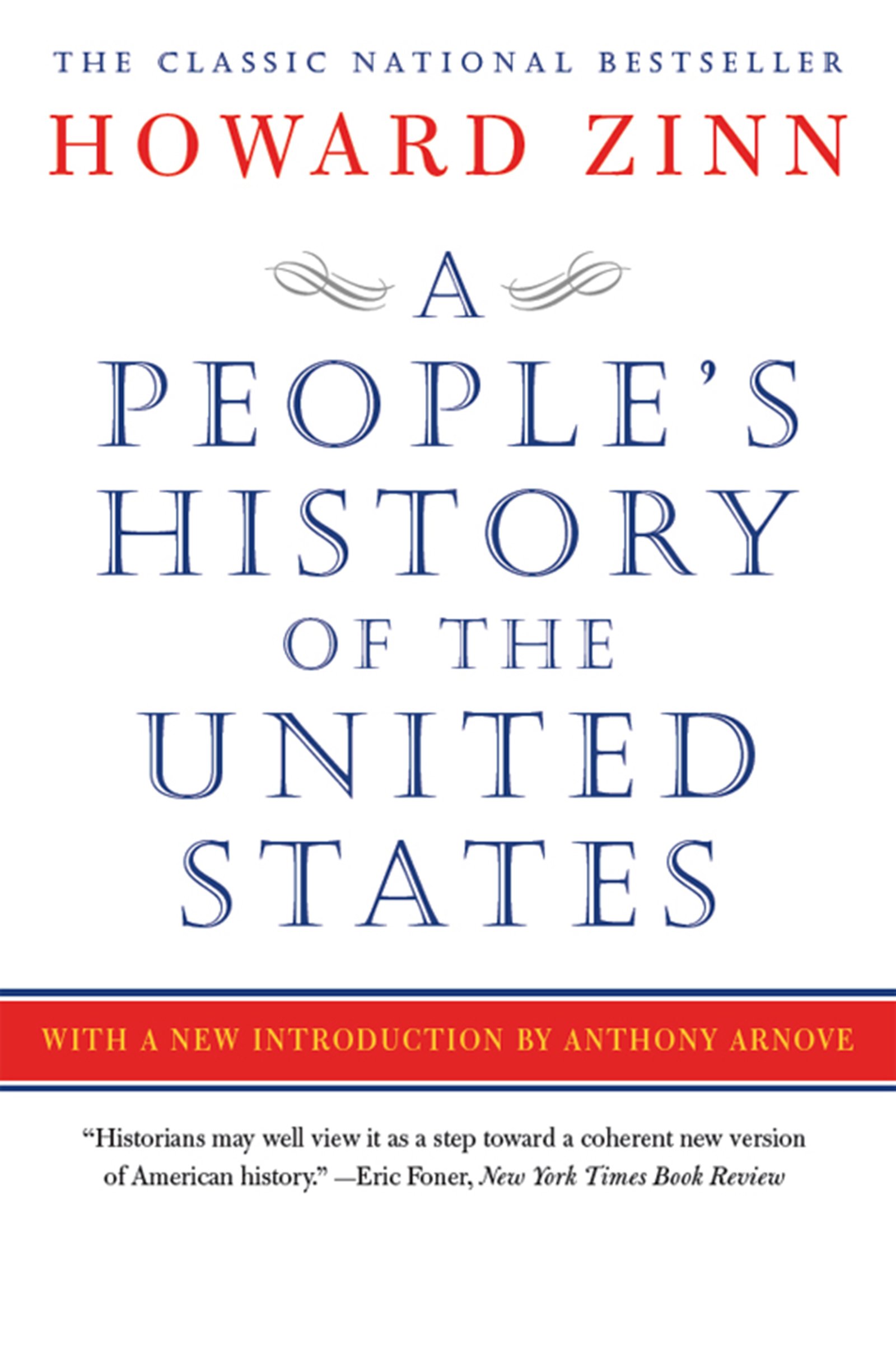
Book cover of A People's History of the United States

A People's History of the United States Summary

Humanity & Culture

By Howard Zinn

Harper Perennial · November 17, 2015

Summary

'A People's History of the United States' by Howard Zinn is a groundbreaking work that challenges the traditional narrative of American history. Most history books tend to highlight the achievements of the powerful and the well-known, but Zinn turns his attention to the marginalized groups such as Native Americans, African-Americans, and laborers. Through meticulous research and vivid storytelling, he presents a comprehensive account of how these groups have influenced the course of the nation. The book starts from the arrival of Christopher Columbus and traces the development of the United States through various historical periods, including wars, social movements, and political changes. It shows how the actions and voices of the common people have been both suppressed and, at times, triumphant. By reading this book, readers can gain a more nuanced and empathetic view of American history, understanding that the nation's story is not just about a few heroes but about the collective experiences of millions.

About the Author

Howard Zinn was an American historian, author, and social activist. He specialized in writing about American history from a people-centered perspective. His style was straightforward and accessible, as seen in "A People's History of the United States".

Chapters

1

Introduction to *A People's History of the United States*

*A People's History of the United States* by Howard Zinn offers a unique perspective on American history. Unlike traditional histories that often focus on the actions of the powerful and the elite, this book shines a light on the experiences of ordinary people, including Native Americans, African-Americans, women, and the working class. It aims to present a more comprehensive and inclusive view of the United States' past, challenging the dominant narratives.

2

The Arrival of Europeans and the Native American Experience

When European explorers first arrived in the Americas, they encountered a vast and diverse array of Native American tribes. Christopher Columbus, often celebrated as a hero, was in fact a brutal conqueror. His arrival led to the exploitation and decimation of Native American populations. The Europeans brought with them diseases to which the Native Americans had no immunity, and they also engaged in violent conflicts to seize land.The Spanish conquistadors, in particular, were extremely cruel. They enslaved Native Americans, forced them to work in mines, and subjected them to inhumane treatment. The Native Americans, however, did not passively accept this. They resisted the European invaders in various ways, through armed resistance, cultural preservation, and diplomatic efforts. But over time, due to the overwhelming military power and the spread of diseases, their populations declined significantly, and their way of life was severely disrupted.

3

Slavery and the African-American Struggle

Slavery was a fundamental part of the early United States. African slaves were brought to the Americas in large numbers to work on plantations, especially in the South. The conditions on the plantations were extremely harsh. Slaves were treated as property, with no rights or freedoms. They were forced to work long hours in the fields, endured physical abuse, and had no control over their own lives.Despite these terrible conditions, African-Americans resisted slavery in many ways. There were slave revolts, such as the Stono Rebellion, where slaves tried to fight for their freedom. They also maintained their cultural heritage, passing down traditions, music, and stories from generation to generation. As the nation grew, the issue of slavery became a major point of contention, leading to the Civil War.

4

The Civil War and Reconstruction

The Civil War was a turning point in American history. It was fought primarily over the issue of slavery. The North, which was more industrialized, opposed slavery, while the South, with its plantation-based economy, relied on slave labor. The war was extremely costly in terms of human lives, with hundreds of thousands of soldiers dying on both sides.After the war, Reconstruction began. The goal was to rebuild the South and integrate freed slaves into society. Amendments to the Constitution, such as the 13th, 14th, and 15th Amendments, were passed to abolish slavery, grant equal protection under the law, and give African-American men the right to vote. However, Reconstruction faced many challenges. White supremacist groups, like the Ku Klux Klan, used violence and intimidation to prevent African-Americans from exercising their rights. Eventually, Reconstruction was abandoned, and African-Americans were left in a state of second-class citizenship.

5

The Industrial Revolution and the Working Class

The Industrial Revolution brought significant changes to the United States. Factories were built, and mass production became the norm. This led to the growth of a large working class. Workers in factories faced long hours, low pay, and dangerous working conditions. They had to work in cramped spaces, often with heavy machinery that could cause serious injuries.To improve their situation, workers began to organize. Labor unions were formed, and they went on strikes to demand better pay, shorter hours, and safer working conditions. The struggle between workers and factory owners was intense. There were many violent confrontations, such as the Haymarket Riot, where workers were protesting for an eight-hour workday. Despite the challenges, the labor movement gradually made some progress, and workers were able to gain some rights and protections.

5 more chapters available

Continue listening in the Spickor app — free download on the App Store.

Listen in App

Why Spickor?

At Spickor, we believe knowledge should have no paywalls. Every book summary can be unlocked for free by watching a short ad — or you can choose an ad-free subscription. Unlike other apps, there's no "1 book per day" free limit. Learn at your own pace, on your own terms.

FeatureSpickorBlinkistHeadway
Free accessAll books free via ad unlock1 book/day only1 book/day only
Book library2,200+ across 8 categories9,000+ (non-fiction only)2,000+ (personal growth focus)
Paid subscriptionNo forced subscription; ad-supportedRequired; from $99.99/yrRequired; from $89.99/yr
Audio for all summariesYesPremium onlyPremium only
Novels & fictionYesNoNo
PlatformsiOS (Android & Web in dev)iOS / Android / WebiOS / Android only

All Books, Truly Free

Unlock any book with a short ad. No daily limits, no hidden fees.

Listen for Free

Every summary includes high-quality audio. No "premium only" labels.

Beyond Self-Help

8 categories including business, technology, and novels.

Listen in App
9 m 29 s