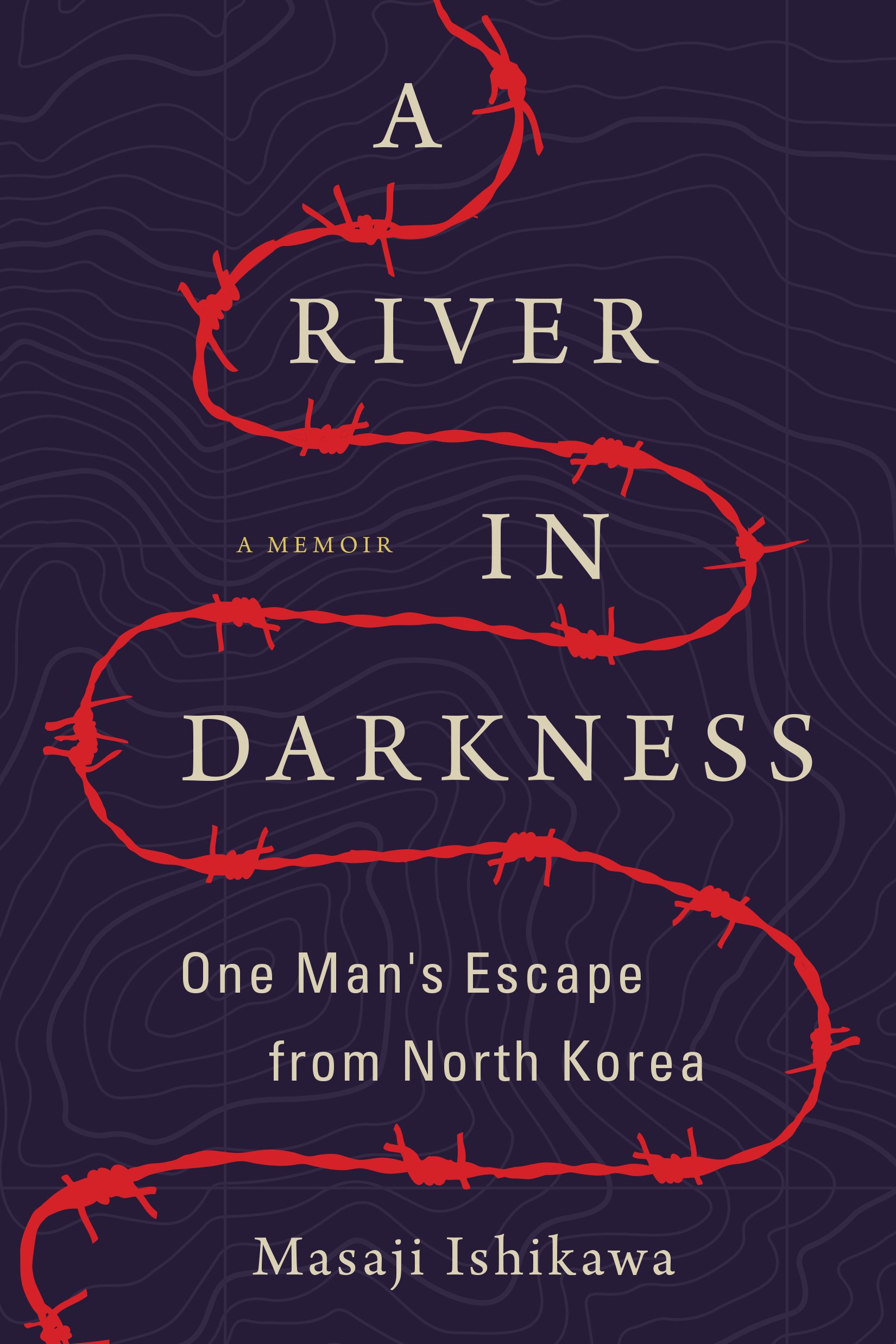
Book cover of A River in Darkness

A River in Darkness Summary

Humanity & Culture

By Masaji Ishikawa

Amazon Crossing · January 1, 2018

Summary

A River in Darkness, penned by Masaji Ishikawa, is a deeply moving and eye-opening memoir. The author takes the readers on an extraordinary journey as he recounts his experiences of growing up in North Korea and his daring escape. Ishikawa's narrative is filled with vivid descriptions of the harsh living conditions, strict social controls, and the constant fear that pervaded daily life in the country. His flight across the border is fraught with danger, from evading patrols to surviving in the wilderness. As he navigates through various challenges, his determination to reach freedom becomes palpable. This book not only provides a personal perspective but also serves as an important document about a country that is often misunderstood. It's a story of resilience, courage, and the human spirit's indomitable will to break free.

About the Author

Masaji Ishikawa is a Japanese author. He writes about personal experiences and social issues. His style in *A River in Darkness* is straightforward, vividly presenting his real-life stories and emotions.

Chapters

1

Introduction to the Author and the Book

Masaji Ishikawa's "A River in Darkness" is a powerful and harrowing memoir that offers a first-hand account of life in North Korea and the desperate journey to escape. Ishikawa was born in North Korea and lived under the regime for many years before making a daring escape. This book serves as a window into the realities of North Korean society, including its strict political control, economic hardships, and human rights issues.


2

Life in North Korea

North Korea is a country that operates under a unique political system. The government has a high level of control over every aspect of people's lives. In North Korea, citizens are taught from a young age to idolize the leaders. Children are indoctrinated in schools to believe that their leaders are almost god-like figures, and that North Korea is the best country in the world.The economic situation in North Korea is often difficult. Food shortages are a common problem. People have to rely on the government-issued rations, which are sometimes not enough to meet their basic needs. Many North Koreans have to engage in small-scale farming or black-market activities to supplement their food supply.There is also a strict social hierarchy. The ruling class enjoys certain privileges, while the common people face many restrictions. There is limited access to information from the outside world. The media is state-controlled, and only information that is approved by the government is disseminated. This lack of access to diverse information makes it difficult for North Koreans to have a comprehensive understanding of the world.

3

The Decision to Escape

As Ishikawa grew older, he became increasingly disillusioned with life in North Korea. He witnessed the suffering of his fellow citizens, the shortages of basic necessities, and the strict control over people's lives. These experiences led him to consider the possibility of escape.The decision to escape was not an easy one. It involved great risks. Those who were caught trying to escape could face severe punishment, including imprisonment, torture, and even execution. However, the desire for a better life, with more freedom and access to basic resources, outweighed the risks in Ishikawa's mind.He started to plan his escape carefully. He needed to gather information about the escape routes, find a way to cross the border, and prepare for the long and dangerous journey ahead. This involved making connections with other people who had experience in escaping or who could provide him with the necessary resources.

4

The Escape Route

The escape route was a treacherous one. North Korea is surrounded by natural barriers, such as rivers and mountains. The border with China is one of the main escape routes for North Korean defectors. Ishikawa had to cross the Tumen River, which was not only cold and fast-flowing but also heavily guarded.Once he crossed the river, he entered China. However, his troubles were far from over. In China, North Korean defectors are often considered illegal immigrants. They face the risk of being deported back to North Korea, where they would face severe consequences. Ishikawa had to hide from the Chinese authorities and find a way to move further to a safer place.He had to rely on the help of smugglers and underground networks. These networks provided him with shelter, food, and guidance on how to move safely through China. However, dealing with smugglers also had its own risks. Some smugglers were more interested in making money than in helping the defectors, and there were cases of defectors being exploited or even betrayed.

5

Life in China

In China, Ishikawa faced a new set of challenges. He had to adapt to a new culture and language. He also had to constantly be on the run to avoid being caught by the Chinese authorities. He lived in hiding, often in small, cramped spaces with other defectors.Finding food and work was difficult. Since he was an illegal immigrant, he could not legally work in China. He had to rely on the kindness of some Chinese people who were willing to help North Korean defectors. Some defectors were able to find menial jobs in the black market, but these jobs were often low-paying and unstable.There was also a constant fear of being deported. The Chinese government has a policy of repatriating North Korean defectors, and many defectors lived in constant fear of being caught and sent back to North Korea. Ishikawa and other defectors had to be very careful about their movements and interactions with others.

5 more chapters available

Continue listening in the Spickor app — free download on the App Store.

Listen in App

Why Spickor?

At Spickor, we believe knowledge should have no paywalls. Every book summary can be unlocked for free by watching a short ad — or you can choose an ad-free subscription. Unlike other apps, there's no "1 book per day" free limit. Learn at your own pace, on your own terms.

FeatureSpickorBlinkistHeadway
Free accessAll books free via ad unlock1 book/day only1 book/day only
Book library2,200+ across 8 categories9,000+ (non-fiction only)2,000+ (personal growth focus)
Paid subscriptionNo forced subscription; ad-supportedRequired; from $99.99/yrRequired; from $89.99/yr
Audio for all summariesYesPremium onlyPremium only
Novels & fictionYesNoNo
PlatformsiOS (Android & Web in dev)iOS / Android / WebiOS / Android only

All Books, Truly Free

Unlock any book with a short ad. No daily limits, no hidden fees.

Listen for Free

Every summary includes high-quality audio. No "premium only" labels.

Beyond Self-Help

8 categories including business, technology, and novels.

Listen in App
9 m 11 s