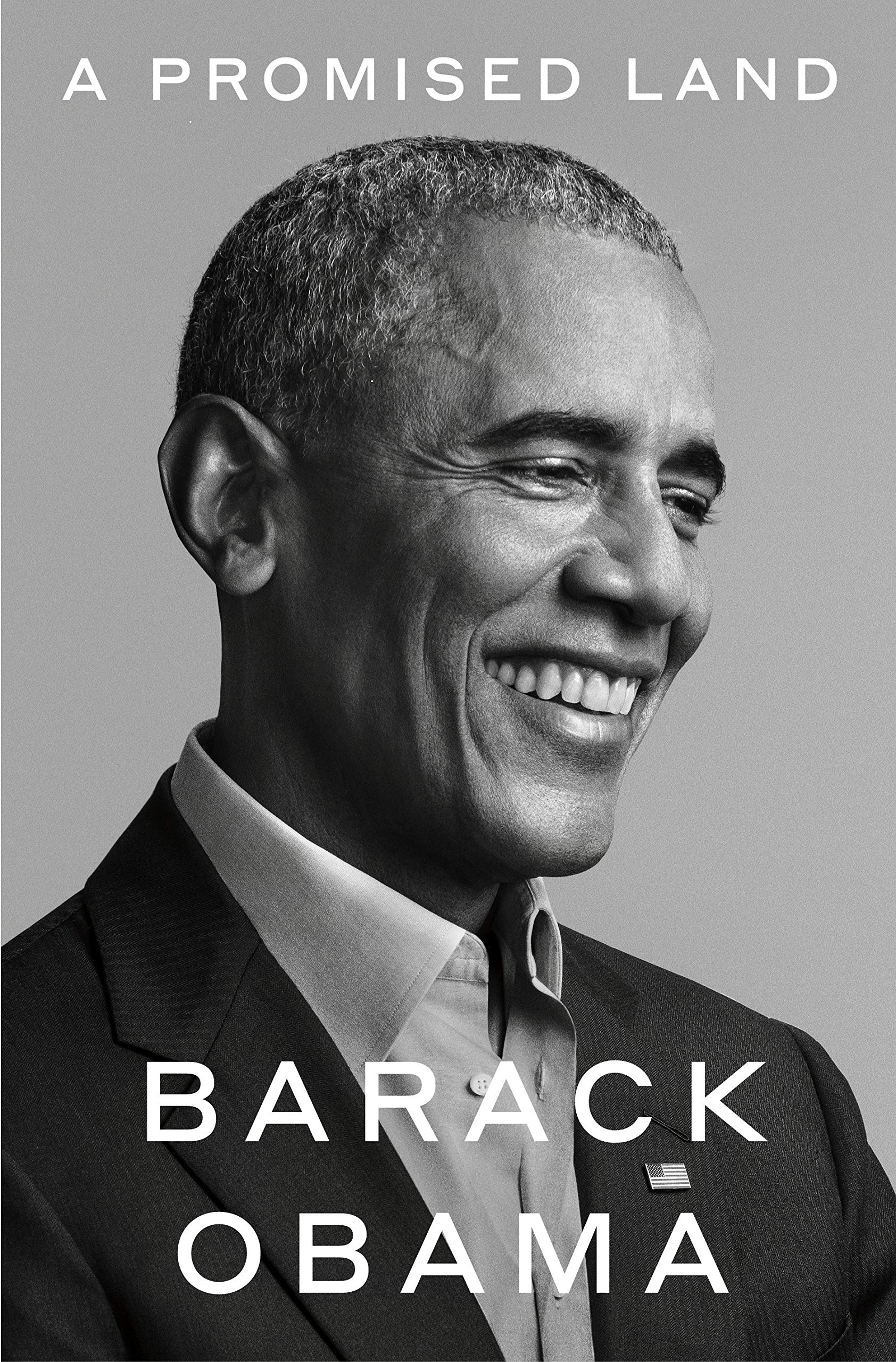
Book cover of A Promised Land

A Promised Land Summary

Humanity & Culture

By Barack Obama

Crown · November 17, 2020

Summary

In "A Promised Land," Barack Obama takes readers on an extraordinary journey through his early life, his rise in politics, and his tenure as the 44th President of the United States. With his characteristic eloquence and honesty, Obama shares the behind-the-scenes stories of his presidency. He delves into the complex issues he faced, from the global financial crisis to the pursuit of healthcare reform. The book not only offers a political narrative but also a personal one, showing the man behind the office. It's a powerful exploration of leadership, hope, and the pursuit of a better future. Through his words, readers can understand the complexities of governing a nation and the impact of a leader's decisions. Whether you're a political enthusiast or simply interested in an inspiring life story, this memoir is a must-read.

About the Author

Barack Obama, the 44th President of the US, is an accomplished author. In "A Promised Land", he writes about politics and his experiences. His style is sincere, detailed, offering profound insights.

Chapters

1

Introduction to the Journey

"A Promised Land" is a memoir by Barack Obama, the 44th President of the United States. This book takes readers on a deep-dive into his early political career, the 2008 presidential campaign, and the first years of his presidency. It offers a unique perspective on the political landscape, social issues, and international relations during that time.

2

Early Life and Political Awakening

Barack Obama's early life was marked by a diverse upbringing. He was born in Hawaii, with a Kenyan father and an American mother. His childhood was a blend of different cultures, which influenced his worldview. As a young man, he became involved in community organizing in Chicago. This experience was a turning point, as it exposed him to the harsh realities of poverty, racial inequality, and social injustice. It was during this time that he developed a strong sense of purpose and a desire to make a difference. He saw firsthand the struggles of the working-class and minority communities, and he was determined to fight for their rights. Obama's entry into politics was gradual. He first ran for the Illinois State Senate in 1996. His campaign was based on a platform of reform, focusing on issues such as healthcare, education, and economic development. His ability to connect with people from all walks of life and his eloquent speaking style helped him win the election. In the state senate, he worked on a variety of bills, including those related to criminal justice reform and expanding access to healthcare.

3

The 2008 Presidential Campaign

The 2008 presidential campaign was a historic moment in American politics. Obama announced his candidacy in 2007, facing a crowded field of Democratic contenders. His message of hope and change resonated with a wide range of voters. He emphasized the need for unity in a divided nation, promising to bring people together across party lines. One of the key aspects of his campaign was his ability to mobilize a large-scale grassroots movement. Volunteers from all over the country were inspired by his vision and worked tirelessly to get him elected. His campaign also made effective use of social media, which helped him reach a younger and more diverse audience. The primary race was tough, with Hillary Clinton being a strong competitor. However, Obama's campaign strategy, which focused on building a broad coalition of supporters, paid off. He won the Democratic nomination and went on to face John McCain in the general election. The general election was a high-stakes battle. McCain was a well-known and respected figure in American politics. But Obama's message of change and his ability to connect with voters gave him an edge. On November 4, 2008, Obama was elected the 44th President of the United States, becoming the first African-American to hold the office.

4

Taking Office and the Economic Crisis

When Obama took office in January 2009, the United States was in the midst of a severe economic crisis. The housing market had collapsed, banks were on the verge of failure, and unemployment was soaring. His administration immediately set to work on formulating a plan to address the crisis. The American Recovery and Reinvestment Act was one of the first major initiatives. This act aimed to stimulate the economy by investing in infrastructure, education, and clean energy. It also provided tax breaks for individuals and businesses. The goal was to create jobs and jump-start economic growth. In addition to the economic stimulus, the administration also took steps to stabilize the financial system. The Troubled Asset Relief Program (TARP) was used to inject capital into banks and prevent a complete collapse of the financial sector. These measures were controversial, as many people were angry about bailing out the banks. However, they were seen as necessary to prevent a deeper economic depression.

5

Healthcare Reform

One of Obama's major policy goals was to reform the healthcare system in the United States. The existing system was expensive, inefficient, and left millions of Americans uninsured. The Affordable Care Act, also known as Obamacare, was a comprehensive piece of legislation aimed at addressing these issues. The ACA had several key provisions. It required insurance companies to cover pre-existing conditions, which meant that people with chronic illnesses could no longer be denied coverage. It also established health insurance exchanges, where individuals and small businesses could shop for affordable insurance plans. In addition, the law expanded Medicaid, providing healthcare coverage to millions of low-income Americans. The implementation of the ACA was not without challenges. There were technical glitches with the healthcare exchanges, and there was strong opposition from Republicans. However, over time, the law has helped millions of Americans gain access to healthcare.

5 more chapters available

Continue listening in the Spickor app — free download on the App Store.

Listen in App

Why Spickor?

At Spickor, we believe knowledge should have no paywalls. Every book summary can be unlocked for free by watching a short ad — or you can choose an ad-free subscription. Unlike other apps, there's no "1 book per day" free limit. Learn at your own pace, on your own terms.

FeatureSpickorBlinkistHeadway
Free accessAll books free via ad unlock1 book/day only1 book/day only
Book library2,200+ across 8 categories9,000+ (non-fiction only)2,000+ (personal growth focus)
Paid subscriptionNo forced subscription; ad-supportedRequired; from $99.99/yrRequired; from $89.99/yr
Audio for all summariesYesPremium onlyPremium only
Novels & fictionYesNoNo
PlatformsiOS (Android & Web in dev)iOS / Android / WebiOS / Android only

All Books, Truly Free

Unlock any book with a short ad. No daily limits, no hidden fees.

Listen for Free

Every summary includes high-quality audio. No "premium only" labels.

Beyond Self-Help

8 categories including business, technology, and novels.

Listen in App
9 m 22 s