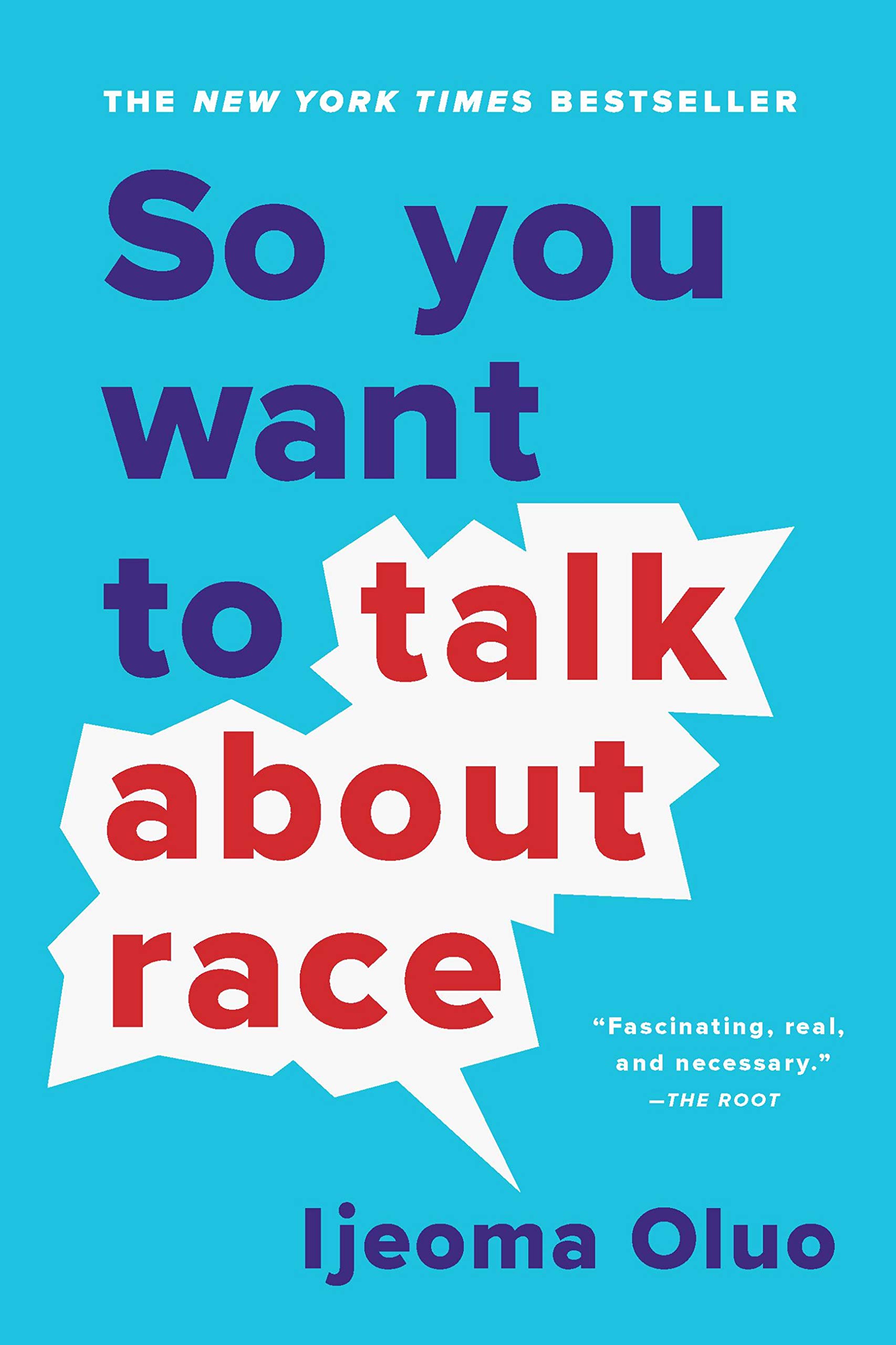
Book cover of So You Want to Talk About Race

So You Want to Talk About Race Summary

Humanity & Culture

By Ijeoma Oluo

Seal Press · September 24, 2019

Summary

In the thought-provoking book 'So You Want to Talk About Race', author Ijeoma Oluo delves deep into one of the most complex and crucial topics of our time: race. Oluo, with her empathetic and straightforward approach, provides a safe and accessible space for readers to engage in meaningful discussions about race. The book acknowledges the discomfort and challenges that often come with these conversations but encourages us not to shy away. Instead, it equips us with the knowledge and tools to communicate more effectively. Through personal anecdotes and well-researched information, Oluo addresses a wide range of issues, from microaggressions to systemic racism. It's not just about having theoretical discussions; it's about taking action and making a positive impact on society. By reading this book, you'll gain a better understanding of different perspectives and learn how to be an ally in the fight for racial equality. It's a journey that will challenge your assumptions and broaden your horizons.

About the Author

Ijeoma Oluo is a prominent author. Her writing focuses on race-related issues. In "So You Want to Talk About Race", she uses a straightforward and engaging style, making complex racial topics accessible and thought-provoking.

Chapters

1

Introduction: The Importance of Talking About Race

In today's society, race is a topic that often stirs up strong emotions and complex discussions. "So You Want to Talk About Race" by Ijeoma Oluo is a powerful guide that aims to help people engage in meaningful conversations about race. This book is essential because it provides a framework for understanding the various aspects of race, from historical context to contemporary issues. It encourages readers to confront their own biases and take steps towards creating a more inclusive and equitable society.


2

Understanding Race and Racism

Race is a social construct, not a biological one. It is a way that society categorizes people based on physical characteristics such as skin color, hair texture, and facial features. Racism, on the other hand, is the system of oppression and discrimination that is based on race. It can manifest in many forms, including individual acts of prejudice, institutional policies, and systemic inequalities.To understand racism, we need to look at its historical roots. For example, the trans-Atlantic slave trade was a major event that shaped the racial landscape in the United States and other parts of the world. Enslaved Africans were brought to the Americas against their will and were treated as property. This history has had long-lasting effects on the lives of Black people, including economic disparities, educational inequalities, and social marginalization.Institutional racism is also a significant issue. It can be seen in areas such as the criminal justice system, where Black people are more likely to be arrested, convicted, and receive harsher sentences compared to white people. In the workplace, there are often barriers to career advancement for people of color, and they may face discrimination in hiring, promotion, and pay.

3

Intersectionality and Race

Intersectionality is the idea that people's identities are made up of multiple factors, such as race, gender, class, and sexual orientation. These factors intersect and interact with each other, creating unique experiences of oppression and privilege.For example, a Black woman may face discrimination based on both her race and her gender. She may experience sexism in the workplace, where she is paid less than her male colleagues, and also face racism, such as being passed over for promotions. Similarly, a transgender person of color may face discrimination based on their race, gender identity, and sexual orientation.Understanding intersectionality is crucial when talking about race because it helps us to see the full picture of people's experiences. It allows us to recognize that different groups of people face different forms of oppression and that we need to address these issues in a comprehensive way.

4

Microaggressions and Their Impact

Microaggressions are subtle, often unconscious acts of discrimination or bias. They can be verbal, non-verbal, or behavioral. For example, asking a person of color where they are "really from" implies that they are not truly from the country they currently live in. Another example is assuming that a Black person is athletic or a Latino person is good at manual labor.These microaggressions may seem small, but they can have a significant impact on the mental and emotional well-being of the people who experience them. They can make people feel marginalized, invalidated, and unwelcome. Over time, the cumulative effect of microaggressions can lead to stress, anxiety, and a sense of alienation.It is important for people to be aware of their own microaggressions and to take steps to avoid them. This includes being more mindful of the language we use, the assumptions we make, and the way we interact with people from different racial backgrounds.

5

White Privilege

White privilege refers to the unearned advantages that white people have in society simply because of their race. These advantages can include better access to education, employment opportunities, and healthcare. White people are also less likely to be targeted by the criminal justice system and are more likely to be treated fairly in social and economic situations.White privilege is not something that white people necessarily choose to have, but it is a result of historical and social structures. For example, white people have benefited from policies such as redlining, which restricted people of color from buying homes in certain areas. This has led to wealth disparities between white and non-white communities.Recognizing white privilege is an important step in the process of talking about race. White people need to understand that they have a responsibility to use their privilege to advocate for racial justice. This can involve speaking out against racism, supporting policies that promote equality, and listening to the experiences of people of color.

5 more chapters available

Continue listening in the Spickor app — free download on the App Store.

Listen in App

Why Spickor?

At Spickor, we believe knowledge should have no paywalls. Every book summary can be unlocked for free by watching a short ad — or you can choose an ad-free subscription. Unlike other apps, there's no "1 book per day" free limit. Learn at your own pace, on your own terms.

FeatureSpickorBlinkistHeadway
Free accessAll books free via ad unlock1 book/day only1 book/day only
Book library2,200+ across 8 categories9,000+ (non-fiction only)2,000+ (personal growth focus)
Paid subscriptionNo forced subscription; ad-supportedRequired; from $99.99/yrRequired; from $89.99/yr
Audio for all summariesYesPremium onlyPremium only
Novels & fictionYesNoNo
PlatformsiOS (Android & Web in dev)iOS / Android / WebiOS / Android only

All Books, Truly Free

Unlock any book with a short ad. No daily limits, no hidden fees.

Listen for Free

Every summary includes high-quality audio. No "premium only" labels.

Beyond Self-Help

8 categories including business, technology, and novels.

Listen in App
9 m 26 s