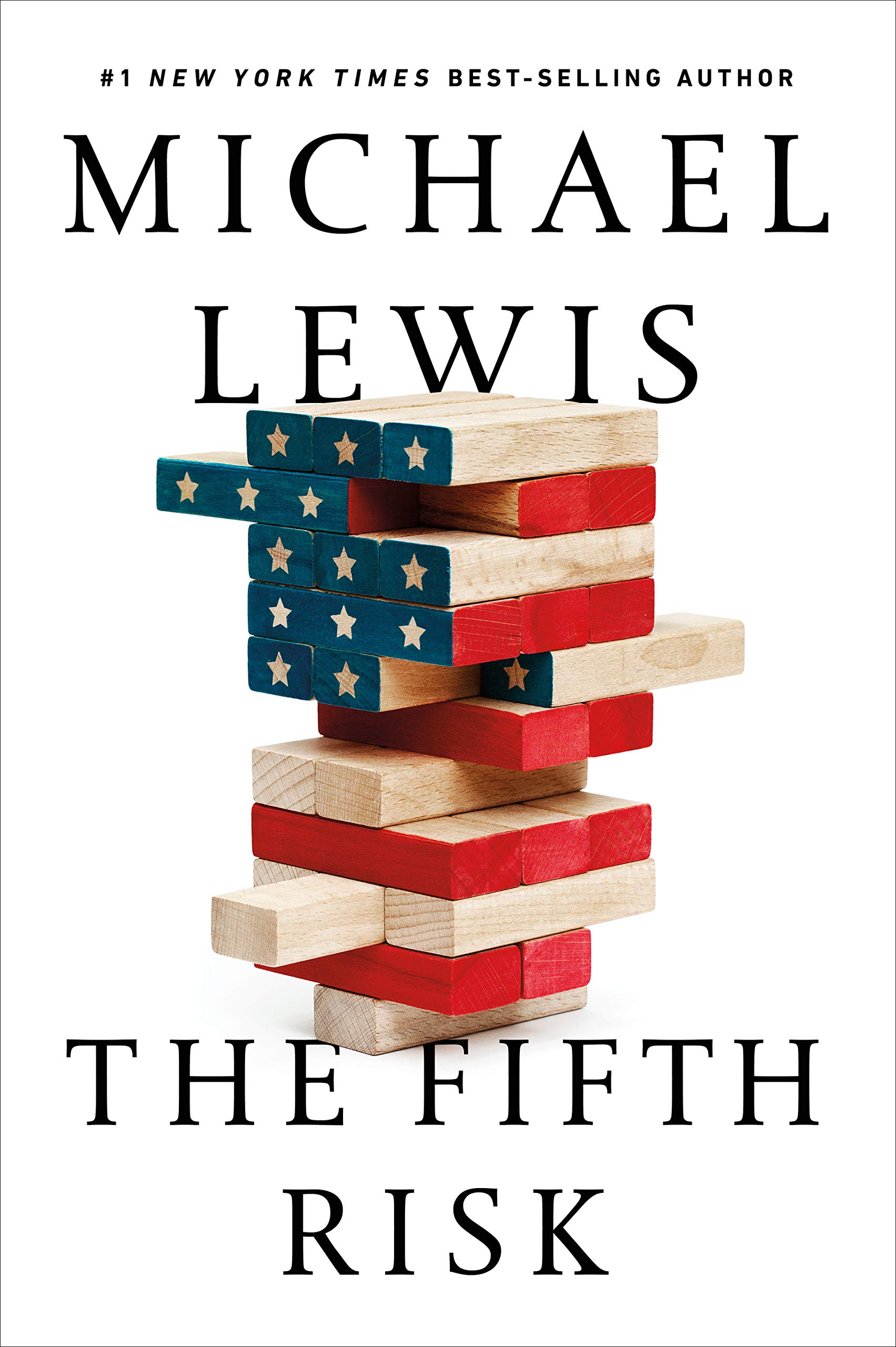
Book cover of The Fifth Risk

The Fifth Risk Summary

Humanity & Culture

By Michael Lewis

W. W. Norton & Company · October 2, 2018

Summary

Michael Lewis, the renowned author behind best-selling books like 'Moneyball' and 'The Big Short', turns his attention to a less-explored area in 'The Fifth Risk'. In this book, he takes the readers on a journey through the various departments of the government. He uncovers the complex web of operations that are crucial for a nation's stability, from food safety to nuclear waste management. Lewis uses engaging storytelling to explain how these systems are vulnerable to mismanagement and neglect. By interviewing key figures in these fields, he paints a vivid picture of the potential risks that could have dire consequences if not properly addressed. The book is not just about the problems but also about the dedicated individuals working to safeguard these essential functions. It offers a unique perspective on the often-taken-for-granted aspects of government and the importance of having a well-functioning bureaucracy.

About the Author

Michael Lewis is a well-known American author. He specializes in non-fiction, often focusing on finance and public policy. His writing is engaging, blending data with vivid storytelling, as seen in *The Fifth Risk*.

Chapters

1

The Unseen Risks in Governance

In "The Fifth Risk," we are introduced to the often-overlooked aspects of government operations. The so-called "fifth risk" refers to the risk of not having the right people in place to manage the government's most critical functions. When a new administration takes over, there is a transfer of power, but this transfer can be fraught with danger.The book starts by highlighting how the government is a complex machine with many moving parts. Each department has its own set of responsibilities, from ensuring food safety to managing the nation's energy resources. However, when a new political regime comes in, there is a tendency to focus on the big-ticket items and overlook the nuts and bolts of governance.For example, in the Department of Energy, there are teams of experts who manage the nation's nuclear stockpile. These experts have in-depth knowledge of the technology, safety protocols, and international agreements related to nuclear weapons. But when new political appointees come in, they may not understand the intricacies of these operations. This lack of understanding can lead to serious risks, such as mismanagement of nuclear materials or a breakdown in international relations regarding nuclear disarmament.


2

The Transition Process and Its Pitfalls

The transition from one administration to another is a critical period. It involves a handover of information, responsibilities, and power. But this process is often not as smooth as it should be.During a transition, there are usually two groups: the outgoing officials who have in-depth knowledge of how things work and the incoming officials who are eager to make their mark. The problem is that the incoming officials may not take the time to learn from the outgoing ones. They may be more interested in implementing their own agendas rather than understanding the existing systems.In some cases, the incoming officials may not even have the necessary qualifications or experience for the positions they are taking. This can lead to a situation where important decisions are made without a full understanding of the consequences. For instance, in the Department of Agriculture, decisions about food safety regulations can have a direct impact on the health of the nation's population. If the new officials do not understand the science behind these regulations, they may make changes that could put people at risk.

3

The Importance of Expertise

Expertise is crucial in government operations. The people who work in various government departments have spent years, if not decades, learning about their fields. They understand the nuances of their work, the potential risks, and the best ways to mitigate those risks.Take the Department of Commerce, for example. The experts in this department are responsible for collecting and analyzing economic data. This data is used to make important decisions about trade policies, economic development, and job creation. Without the expertise of these individuals, the government would be flying blind when it comes to making economic decisions.However, in recent years, there has been a trend of devaluing expertise. Politicians may see experts as obstacles to their political goals. They may try to replace experienced civil servants with political appointees who may not have the same level of knowledge or skills. This can lead to a decline in the quality of government services and an increase in the risks associated with government operations.

4

The Impact on National Security

National security is one of the most critical areas affected by the fifth risk. The government's ability to protect the nation from external threats depends on having a well-functioning and knowledgeable workforce.In the Department of Defense, for example, there are experts who understand the latest military technologies, intelligence gathering, and strategic planning. These experts play a crucial role in ensuring the nation's security. But when there is a disruption in the transfer of knowledge during a transition, it can have serious consequences.If new political appointees do not understand the military's capabilities and limitations, they may make decisions that put the nation at risk. For instance, they may order military operations without a full understanding of the potential outcomes or the resources required. This can lead to unnecessary casualties and a weakening of the nation's military position.

5

The Role of Science in Governance

Science plays a vital role in government decision-making. In many government departments, scientific research is used to inform policies related to health, the environment, and technology.In the Environmental Protection Agency (EPA), scientists study the impact of pollution on the environment and human health. Their research is used to develop regulations that protect the air, water, and land. However, when there is a lack of respect for science in government, these regulations may be undermined.New political appointees may not understand the scientific basis of these regulations. They may be influenced by special interests or political ideologies and try to roll back environmental protections. This can have long-term consequences for the environment and the health of the population.

5 more chapters available

Continue listening in the Spickor app — free download on the App Store.

Listen in App

Why Spickor?

At Spickor, we believe knowledge should have no paywalls. Every book summary can be unlocked for free by watching a short ad — or you can choose an ad-free subscription. Unlike other apps, there's no "1 book per day" free limit. Learn at your own pace, on your own terms.

FeatureSpickorBlinkistHeadway
Free accessAll books free via ad unlock1 book/day only1 book/day only
Book library2,200+ across 8 categories9,000+ (non-fiction only)2,000+ (personal growth focus)
Paid subscriptionNo forced subscription; ad-supportedRequired; from $99.99/yrRequired; from $89.99/yr
Audio for all summariesYesPremium onlyPremium only
Novels & fictionYesNoNo
PlatformsiOS (Android & Web in dev)iOS / Android / WebiOS / Android only

All Books, Truly Free

Unlock any book with a short ad. No daily limits, no hidden fees.

Listen for Free

Every summary includes high-quality audio. No "premium only" labels.

Beyond Self-Help

8 categories including business, technology, and novels.

Listen in App
8 m 52 s