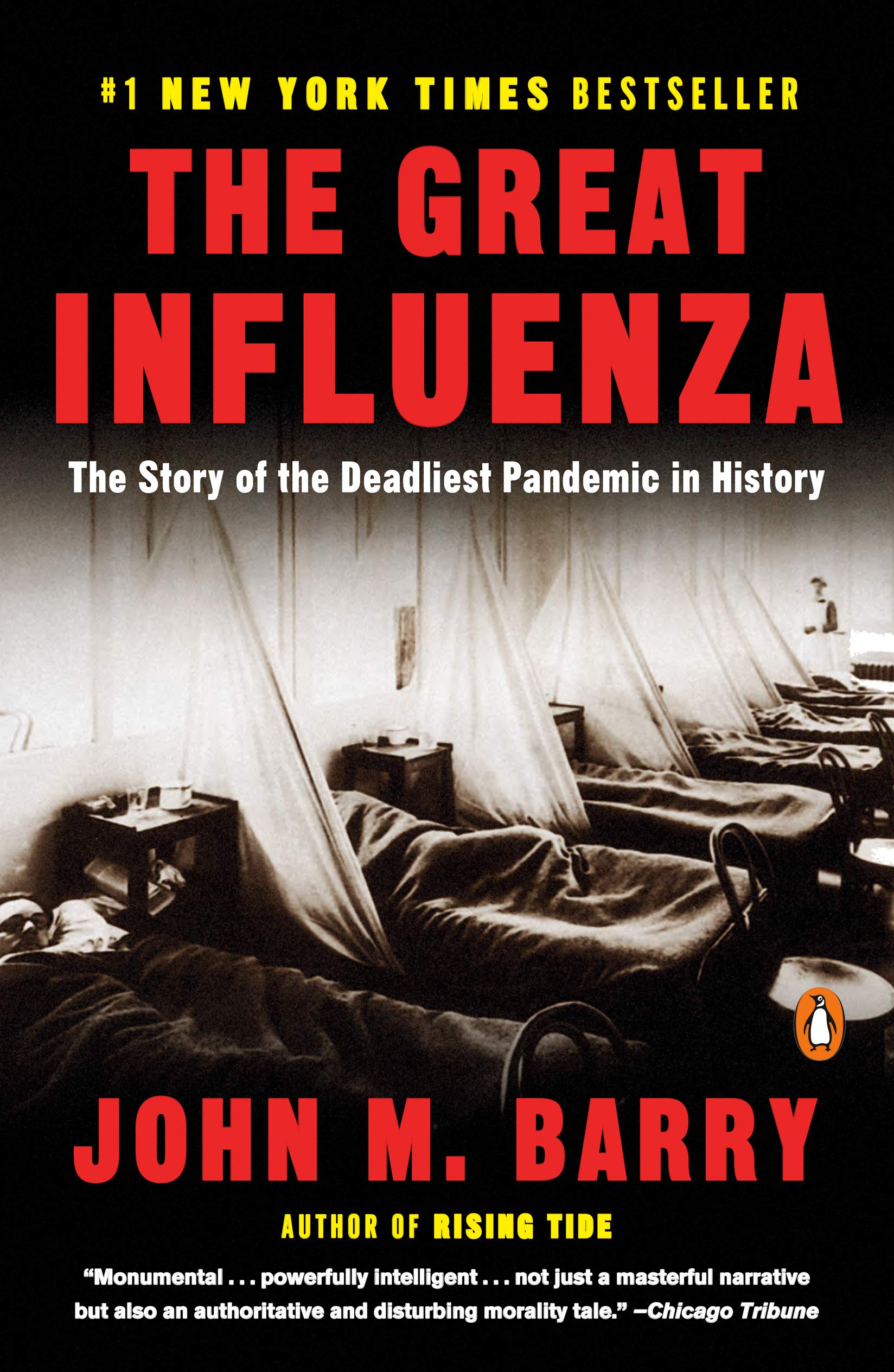
Book cover of The Great Influenza

The Great Influenza Summary

Humanity & Culture

By John M. Barry

Penguin Books · October 4, 2005

Summary

The Great Influenza by John M. Barry is a remarkable exploration of the 1918 influenza pandemic, one of the deadliest events in human history. Barry takes readers on a journey through the scientific, social, and political landscapes of that time. He details the efforts of scientists to understand and combat the virus, as well as the challenges faced by governments and communities. This book not only provides a vivid picture of the pandemic but also offers valuable lessons for modern-day public health. It shows how a virus can spread rapidly across the globe, overwhelming healthcare systems and causing widespread panic. By examining the past, Barry helps us better prepare for future health crises. His writing is engaging and accessible, making it a great read for anyone interested in history, science, or public health.

About the Author

John M. Barry is a well-known author. Specializing in historical non-fiction, especially pandemic history. His style is detailed and engaging, as seen in his acclaimed work *The Great Influenza*.

Chapters

1

Introduction to the Great Influenza

The Great Influenza is a comprehensive account of the 1918 influenza pandemic, one of the most devastating events in human history. This pandemic, also known as the Spanish Flu, swept across the globe, infecting an estimated one-third of the world's population and causing tens of millions of deaths. John M. Barry delves deep into the scientific, social, and historical aspects of this event, providing valuable insights into how a virus can reshape the world.The book begins by setting the stage in the early 20th century. At that time, the world was on the brink of significant changes. World War I was raging, and the medical field was making progress but still had many limitations. The influenza virus emerged in this complex context, and its spread was accelerated by the movement of troops and the close-quarters living conditions in military camps.


2

The Scientific Foundation

To understand the influenza pandemic, it's essential to know about the nature of the influenza virus. Influenza is a highly contagious virus that can mutate rapidly. These mutations can lead to new strains that the human immune system may not recognize, making it easier for the virus to spread and cause severe illness.Scientists in the early 20th century were still in the process of understanding viruses. The concept of a virus was relatively new, and the technology to study them was limited. However, they were aware that influenza was caused by a pathogen that could be transmitted from person to person. The virus has different subtypes, and the 1918 strain was particularly virulent. It affected people of all ages, but it was especially deadly for young, healthy adults, which was unusual for an influenza virus.

3

The Outbreak in Military Camps

The first major outbreaks of the 1918 influenza occurred in military camps in the United States. These camps were filled with young men living in close quarters, which provided an ideal environment for the virus to spread. The military's focus on the war effort meant that the initial cases of influenza were often overlooked or misdiagnosed.As the virus spread within the camps, it quickly became clear that this was not an ordinary flu. Soldiers were getting sick in large numbers, and many were dying. The military's response was initially slow, as they were more concerned with maintaining troop strength for the war. However, as the situation worsened, they had to take action. Quarantine measures were implemented, but it was often too late, and the virus had already spread beyond the camps.

4

The Global Spread

From the military camps in the United States, the virus quickly spread to other parts of the world. Troop movements during World War I played a significant role in its global dissemination. Soldiers were being shipped to Europe, and they carried the virus with them.In Europe, the situation was even more dire. The war-torn countries were already dealing with food shortages, overcrowded hospitals, and a weakened population. The influenza virus added to their woes. It spread rapidly through cities and rural areas alike. In some places, entire communities were decimated.The virus also reached Asia, Africa, and South America. In these regions, the lack of proper medical infrastructure and resources made it even more difficult to deal with the pandemic. The spread of the virus was not limited by national borders or geographical barriers, and it affected people from all walks of life.

5

Social and Economic Impact

The 1918 influenza pandemic had a profound impact on society and the economy. In many cities, public gatherings were banned, schools and businesses were closed, and people were advised to stay at home. This had a significant effect on daily life.Economically, industries were hit hard. Factories had to shut down due to a lack of workers, and trade was disrupted. The tourism industry also suffered as people were afraid to travel. The loss of life also meant a significant loss of the workforce, which had long-term implications for economic growth.Socially, the pandemic created a sense of fear and panic. People were afraid to leave their homes, and there was a breakdown in social order in some areas. Funerals became a common sight, and the emotional toll on families and communities was immense.

5 more chapters available

Continue listening in the Spickor app — free download on the App Store.

Listen in App

Why Spickor?

At Spickor, we believe knowledge should have no paywalls. Every book summary can be unlocked for free by watching a short ad — or you can choose an ad-free subscription. Unlike other apps, there's no "1 book per day" free limit. Learn at your own pace, on your own terms.

FeatureSpickorBlinkistHeadway
Free accessAll books free via ad unlock1 book/day only1 book/day only
Book library2,200+ across 8 categories9,000+ (non-fiction only)2,000+ (personal growth focus)
Paid subscriptionNo forced subscription; ad-supportedRequired; from $99.99/yrRequired; from $89.99/yr
Audio for all summariesYesPremium onlyPremium only
Novels & fictionYesNoNo
PlatformsiOS (Android & Web in dev)iOS / Android / WebiOS / Android only

All Books, Truly Free

Unlock any book with a short ad. No daily limits, no hidden fees.

Listen for Free

Every summary includes high-quality audio. No "premium only" labels.

Beyond Self-Help

8 categories including business, technology, and novels.

Listen in App
8 m 27 s