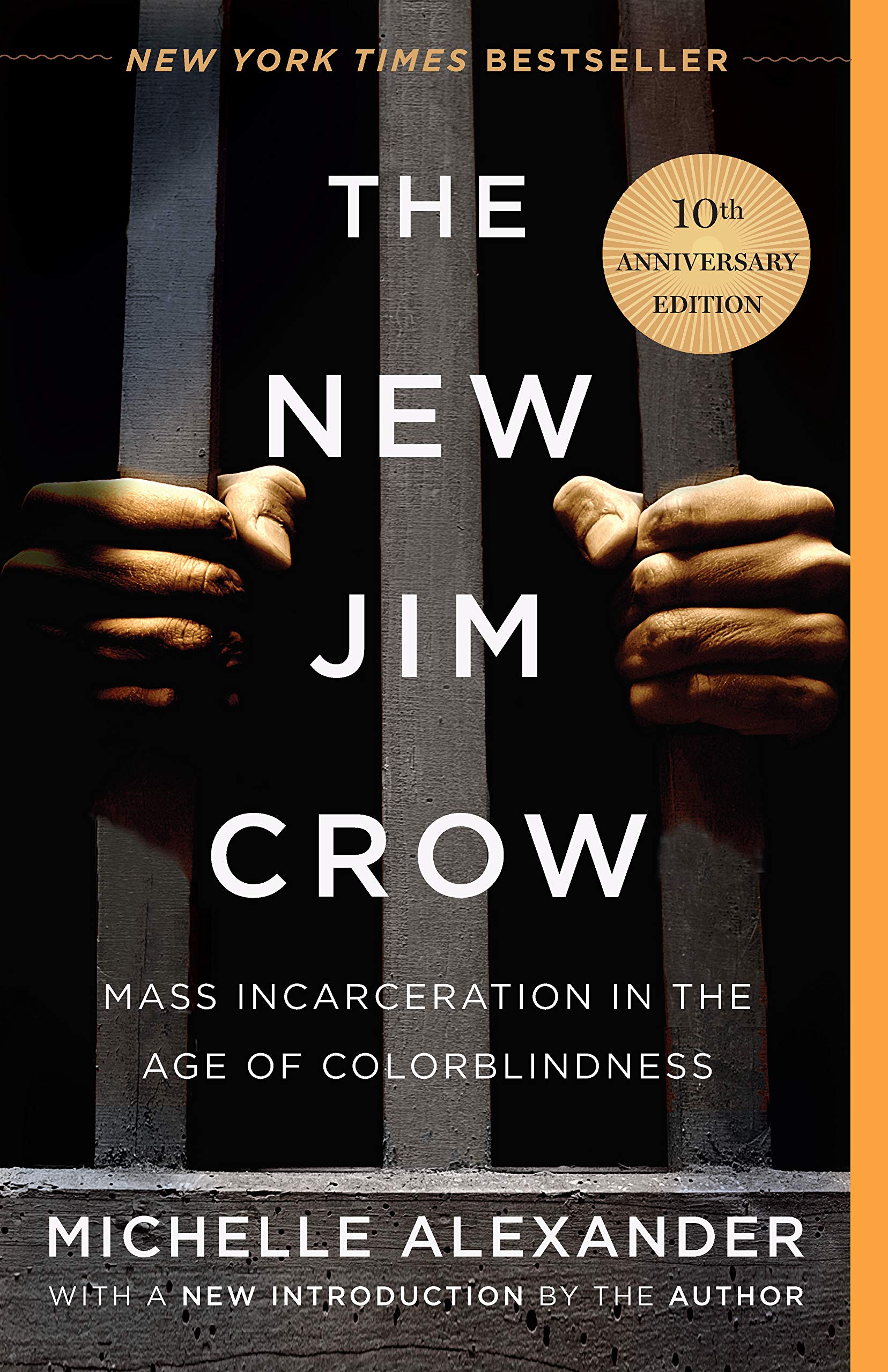
Book cover of The New Jim Crow

The New Jim Crow Summary

Humanity & Culture

By Michelle Alexander

The New Press · January 7, 2020

Summary

The New Jim Crow by Michelle Alexander is a groundbreaking exploration of the modern racial caste system in the United States. Alexander meticulously dissects the so-called 'war on drugs' and shows how it has been used as a tool to control and marginalize African-American communities. Through detailed research and real-life stories, she exposes the harsh reality that millions of black men are being locked away, denied basic rights, and trapped in a cycle of poverty and discrimination. This book not only uncovers the hidden mechanisms of racial injustice but also calls for a radical rethinking of the criminal justice system. It forces readers to confront uncomfortable truths about race, power, and the American Dream. Whether you're a concerned citizen, an advocate for social change, or simply someone interested in understanding the complex dynamics of race in America, this book is a must-read. It will open your eyes to the new form of Jim Crow that persists in the 21st century.

About the Author

Michelle Alexander is a legal scholar and civil rights advocate. She focuses on criminal justice and racial inequality. Her writing in *The New Jim Crow* is incisive, presenting complex issues with clarity and passion.

Chapters

1

Introduction: The New Jim Crow System

The United States, often seen as a beacon of freedom and equality, has a dark underbelly-the new Jim Crow system. This system, centered around mass incarceration, has replaced the old-fashioned racial segregation of the Jim Crow era. It disproportionately affects African-Americans, trapping them in a cycle of poverty, discrimination, and limited opportunities.In the past, laws like the Black Codes and Jim Crow laws were used to control and oppress African-Americans. Today, the criminal justice system serves a similar purpose. It has become a powerful tool to marginalize a large segment of the black population. The new Jim Crow system has far-reaching consequences, not only for the individuals directly involved but also for the entire society. It undermines the principles of justice and equality that the nation claims to uphold.

2

The Drug War: A Catalyst for Mass Incarceration

The so-called "War on Drugs" has been a major driving force behind the mass incarceration in the United States. It was launched in the 1980s under the Reagan administration, ostensibly to combat drug abuse. However, it quickly turned into a tool for racial profiling and mass arrest.The policies associated with the drug war are highly discriminatory. For example, the sentencing disparities between crack cocaine and powder cocaine offenses are staggering. Crack cocaine, which is more commonly used by African-Americans, has much harsher penalties compared to powder cocaine, which is more often used by white people. This has led to a disproportionate number of black people being arrested, convicted, and imprisoned for drug-related offenses.The drug war has also led to aggressive policing in predominantly black neighborhoods. Police use tactics such as stop-and-frisk, which target black individuals without reasonable suspicion. This not only violates the civil rights of black people but also creates an atmosphere of fear and mistrust in these communities.

3

Racial Profiling in the Criminal Justice System

Racial profiling is deeply ingrained in the criminal justice system. Police officers often target black and brown people based on their race. They are more likely to be stopped, searched, and arrested compared to white people. This is evident in traffic stops, where black drivers are disproportionately pulled over.Once in the system, black defendants face more severe treatment. They are more likely to be denied bail, receive harsher sentences, and have limited access to quality legal representation. Prosecutors also play a role in this discrimination. They are more likely to charge black defendants with more serious crimes and seek longer sentences.The media also contributes to racial profiling. News coverage often portrays black people as criminals, which further fuels the public's perception and biases. This cycle of racial profiling in the criminal justice system perpetuates the new Jim Crow system, keeping black people trapped in a cycle of incarceration.

4

The Impact of Incarceration on Communities

Mass incarceration has a devastating impact on black communities. When a large number of men and women are locked up, it disrupts families and communities. Children of incarcerated parents often face emotional, social, and economic challenges. They are more likely to experience poverty, have lower educational attainment, and engage in criminal behavior themselves.Incarceration also leads to a loss of human capital in black communities. Many individuals who are released from prison find it difficult to reintegrate into society. They face barriers to employment, education, and housing due to their criminal records. This further exacerbates the cycle of poverty and crime in these communities.The economic impact is also significant. Communities lose the productive labor of those who are incarcerated, and the cost of maintaining the prison system is a burden on taxpayers. Moreover, the stigma associated with incarceration makes it difficult for former inmates to build a new life, which in turn affects the overall well-being of the community.

5

Collateral Consequences of a Criminal Record

A criminal record has far-reaching collateral consequences for individuals. Once a person has a criminal record, they are often barred from many aspects of society. They may be ineligible for public housing, food stamps, and student loans. This makes it extremely difficult for them to get back on their feet after being released from prison.Employment is a major issue. Many employers are reluctant to hire individuals with criminal records, even for low-skilled jobs. This creates a situation where former inmates are forced into the underground economy, increasing the likelihood of recidivism.The collateral consequences also extend to voting rights. In many states, individuals with felony convictions lose their right to vote, which further disenfranchises the black community. This is a direct violation of the principles of democracy and equality.

4 more chapters available

Continue listening in the Spickor app — free download on the App Store.

Listen in App

Why Spickor?

At Spickor, we believe knowledge should have no paywalls. Every book summary can be unlocked for free by watching a short ad — or you can choose an ad-free subscription. Unlike other apps, there's no "1 book per day" free limit. Learn at your own pace, on your own terms.

FeatureSpickorBlinkistHeadway
Free accessAll books free via ad unlock1 book/day only1 book/day only
Book library2,200+ across 8 categories9,000+ (non-fiction only)2,000+ (personal growth focus)
Paid subscriptionNo forced subscription; ad-supportedRequired; from $99.99/yrRequired; from $89.99/yr
Audio for all summariesYesPremium onlyPremium only
Novels & fictionYesNoNo
PlatformsiOS (Android & Web in dev)iOS / Android / WebiOS / Android only

All Books, Truly Free

Unlock any book with a short ad. No daily limits, no hidden fees.

Listen for Free

Every summary includes high-quality audio. No "premium only" labels.

Beyond Self-Help

8 categories including business, technology, and novels.

Listen in App
8 m 45 s