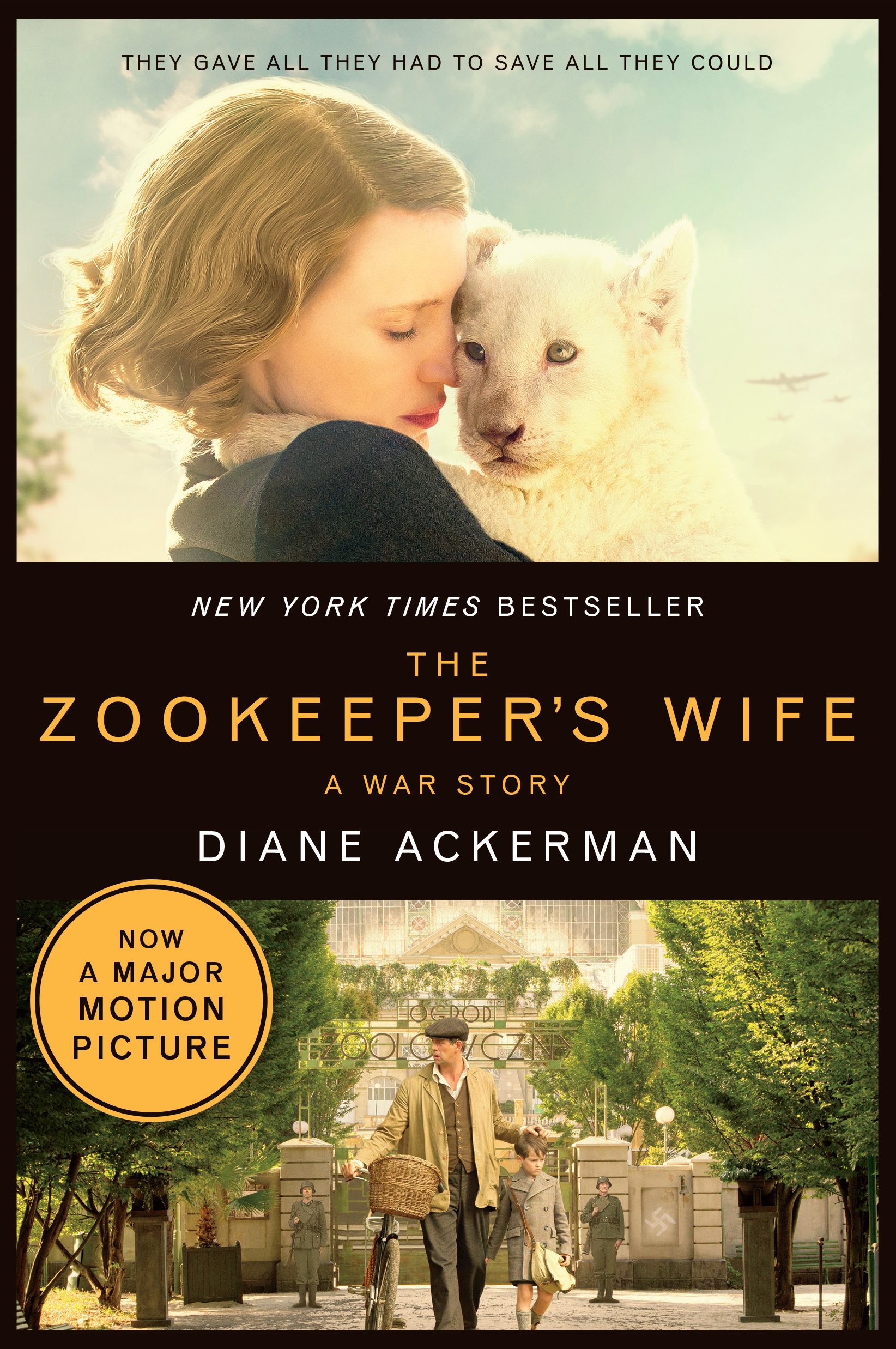
Book cover of The Zookeeper's Wife

The Zookeeper's Wife Summary

Humanity & Culture

By Diane Ackerman

W. W. Norton & Company · February 7, 2017

Summary

The Zookeeper's Wife, penned by Diane Ackerman, is a captivating non-fiction work that delves into the extraordinary life of Antonina Żabińska. During the tumultuous era of World War II, Antonina and her husband Jan were the keepers of the Warsaw Zoo. As the war raged on, the zoo became a target, and most of the animals were either killed or taken away. But Antonina and Jan didn't let this stop them. They transformed their zoo into a secret refuge for Jews, hiding them from the Nazis. Ackerman masterfully weaves together historical facts with personal accounts, bringing to life the daily struggles and triumphs of the Żabińskas. Through their story, we see the resilience of the human spirit, the strength of love, and the importance of standing up against injustice. It's a story that not only educates about a dark period in history but also inspires with tales of hope and heroism.

About the Author

Diane Ackerman is a renowned American author. She specializes in nature, science, and history writing. Her style is vivid and evocative, as seen in *The Zookeeper's Wife*, which brings historical events to life.

Chapters

1

Introduction to the Story

The Zookeeper's Wife is a captivating true-story that unfolds during World War II. It centers around Antonina Zabinski and her husband Jan, who are the keepers of the Warsaw Zoo. At the start of the war, Poland is invaded by Nazi Germany, and the idyllic life at the zoo is shattered. The once-bustling zoo, filled with a diverse collection of animals, becomes a target. Bombs rain down on Warsaw, and many of the zoo's animals are killed or die due to the chaos. The Zabinskis are left with a zoo in ruins, but they soon find themselves in a much more significant and dangerous role.Antonina and Jan are not just zookeepers; they are also compassionate and brave individuals. They decide to use their zoo as a hiding place for Jews who are being persecuted by the Nazis. This decision is not made lightly, as the penalty for hiding Jews is death. But they are driven by a sense of humanity and a desire to help those in need. The story sets the stage for a thrilling and emotional journey of survival, resistance, and sacrifice.
2

The Zoo in Ruins

The Warsaw Zoo, which was once a place of wonder and beauty, is now in a state of disrepair. The enclosures are damaged, and most of the animals are gone. The Nazis have a strange interest in the zoo. They are fascinated by the exotic animals and want to take some of them for their own zoos in Germany. This leads to a series of events where the remaining animals are either captured or killed.Antonina and Jan are faced with the difficult task of rebuilding the zoo to some extent, but their main focus is on creating a safe haven for the Jews. They use the zoo's many buildings, cellars, and hidden spaces to hide the refugees. The process of turning the zoo into a hiding place is not easy. They have to be extremely careful not to arouse the suspicion of the Nazis, who are constantly patrolling the area.The zoo's location is both an advantage and a disadvantage. On one hand, it provides a large and somewhat secluded area for hiding. On the other hand, it is also under the watchful eye of the German authorities. The Zabinskis have to come up with creative ways to feed and care for the Jews while maintaining the appearance of a normal zoo operation.

3

The Arrival of the Refugees

As the situation for Jews in Warsaw becomes more and more dire, word spreads about the zoo's role as a safe haven. Jews start to arrive at the zoo, often in the dead of night. They are terrified, hungry, and in need of shelter. Antonina and Jan welcome them with open arms, but they also know that they have to be extremely cautious.The refugees are hidden in various parts of the zoo. Some are placed in the old animal enclosures, which have been modified to provide living space. Others are hidden in the cellars and attics of the zoo buildings. Antonina takes on the role of a caregiver, providing food, medicine, and emotional support to the refugees. She uses her knowledge of animals and the zoo's resources to keep the refugees alive.The arrival of the refugees also brings new challenges. The more people they hide, the greater the risk of discovery. The Zabinskis have to manage the limited resources of the zoo carefully. They have to ration food and water, and they also have to deal with the psychological stress of the refugees.

4

Dealing with the Nazis

The Zabinskis have to interact with the Nazis on a regular basis. They have to maintain a facade of cooperation while secretly hiding Jews. Jan, in particular, has to deal with the German officers who are in charge of the zoo. He has to be charming and diplomatic, answering their questions and following their orders while protecting the refugees.Antonina also plays a role in dealing with the Nazis. She uses her feminine charm to distract the German soldiers and officers. She invites them to the zoo, shows them the remaining animals, and even serves them tea. This helps to keep the Nazis at bay and gives the Zabinskis more time to protect the refugees.However, there are always moments of danger. The Nazis are suspicious by nature, and they sometimes conduct surprise inspections of the zoo. The Zabinskis have to be prepared for these inspections, hiding the refugees in secret compartments and making sure that there are no signs of their presence.

5

The Role of Animals

Animals play a crucial role in the story. The zoo's remaining animals are not just a part of the setting; they are also used as a cover for the hiding of the Jews. Antonina uses her knowledge of animal behavior to create a normal-looking zoo environment. For example, she makes sure that the animals are fed and cared for, and she uses the sounds and smells of the animals to mask the presence of the refugees.The animals also provide emotional support to the refugees. The sight of a friendly animal can lift the spirits of those who are living in fear. Some of the animals, like the elephants and the lions, become symbols of hope and strength in the midst of the chaos.In addition, the Zabinskis use the animals' enclosures as hiding places. The large enclosures provide enough space for the refugees to move around and stay hidden. The animals' presence also helps to keep the Nazis from suspecting that there are people hiding in the zoo.

5 more chapters available

Continue listening in the Spickor app — free download on the App Store.

Listen in App

Why Spickor?

At Spickor, we believe knowledge should have no paywalls. Every book summary can be unlocked for free by watching a short ad — or you can choose an ad-free subscription. Unlike other apps, there's no "1 book per day" free limit. Learn at your own pace, on your own terms.

FeatureSpickorBlinkistHeadway
Free accessAll books free via ad unlock1 book/day only1 book/day only
Book library2,200+ across 8 categories9,000+ (non-fiction only)2,000+ (personal growth focus)
Paid subscriptionNo forced subscription; ad-supportedRequired; from $99.99/yrRequired; from $89.99/yr
Audio for all summariesYesPremium onlyPremium only
Novels & fictionYesNoNo
PlatformsiOS (Android & Web in dev)iOS / Android / WebiOS / Android only

All Books, Truly Free

Unlock any book with a short ad. No daily limits, no hidden fees.

Listen for Free

Every summary includes high-quality audio. No "premium only" labels.

Beyond Self-Help

8 categories including business, technology, and novels.

Listen in App
10 m 15 s