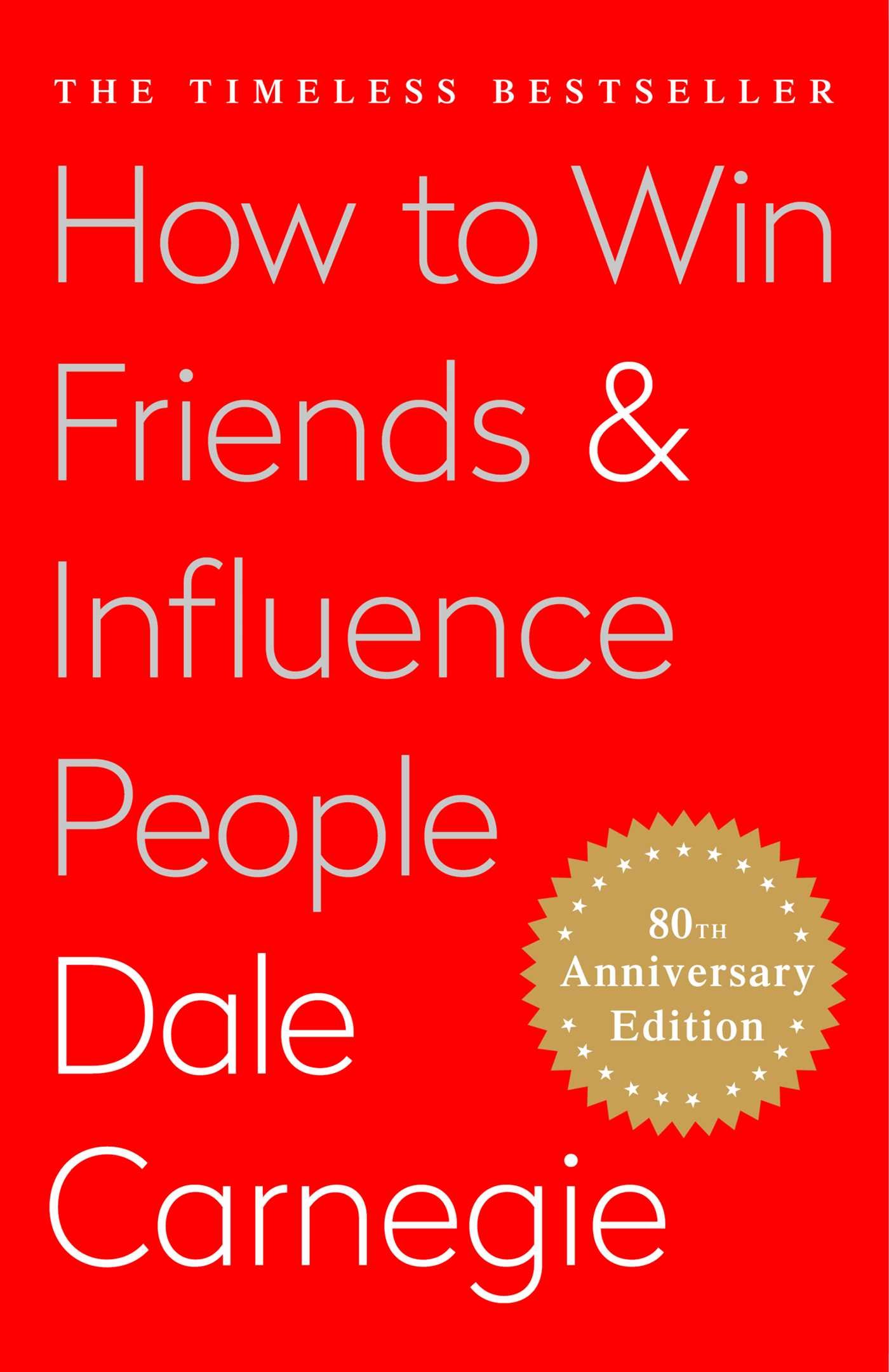
Book cover of How to Win Friends and Influence People

How to Win Friends and Influence People Summary

Personal Growth

By Dale Carnegie

Simon & Schuster · February 6, 2013

Summary

How to Win Friends and Influence People, written by Dale Carnegie, is a must-read for anyone looking to enhance their social and professional skills. In this book, Carnegie shares a variety of proven techniques and principles. He dives into the art of making people like you, handling criticism gracefully, and inspiring others to take action. The examples and stories provided are relatable and easy to understand, making it accessible for readers from all walks of life. Whether you're a budding entrepreneur, a student, or someone simply looking to improve your interpersonal relationships, this book offers valuable insights that can be applied immediately. It has withstood the test of time and continues to be a best-seller, guiding countless individuals towards greater social and professional success.

About the Author

Dale Carnegie is a renowned American self-help author. He specializes in self-improvement and interpersonal skills. His writing style is practical and accessible, offering useful advice, as seen in *How to Win Friends and Influence People*.

Chapters

1

Introduction to the Book's Significance

In a world where human interaction is the cornerstone of success, "How to Win Friends and Influence People" by Dale Carnegie stands as a timeless guide. This book is not just about making friends or getting your way; it's about understanding human nature at its core and using that knowledge to build meaningful, mutually beneficial relationships. Whether in personal life, business, or social settings, the principles outlined in this book can transform the way you interact with others. It offers practical advice that has helped millions of people around the globe improve their communication skills, enhance their influence, and lead more fulfilling lives.


2

The Fundamental Techniques in Handling People

One of the key takeaways from this book is the importance of not criticizing, condemning, or complaining. When we criticize others, we often put them on the defensive, which can damage relationships. Instead, we should try to understand their perspective and look for the good in them. For example, if an employee makes a mistake at work, rather than scolding them, we can point out the positive aspects of their work and then gently suggest how they can improve.Another fundamental technique is to give honest and sincere appreciation. People crave recognition and praise, and a simple word of appreciation can go a long way in making someone's day. We should look for opportunities to genuinely compliment others on their achievements, big or small. This can strengthen our relationships and make others more receptive to our ideas.Finally, arousing in the other person an eager want is crucial. If we want someone to do something, we need to show them how it benefits them. For instance, if we are trying to sell a product, we should focus on how it can solve the customer's problems or meet their needs, rather than just listing its features.

3

Six Ways to Make People Like You

The first way is to become genuinely interested in other people. When we show a sincere interest in others, they feel valued and important. We can do this by asking questions, listening actively, and remembering details about their lives. For example, if we meet someone at a party, we can ask about their hobbies or work and then listen attentively to their answers.Smiling is another powerful way to make people like us. A smile is contagious and can create a positive atmosphere. It shows that we are friendly and approachable. Even over the phone, a smile in our voice can make a big difference in how we are perceived.Remembering people's names is also essential. A person's name is the sweetest sound in any language to them. When we remember someone's name, it shows that we respect and value them. We can use mnemonic devices or repeat the name several times during a conversation to help us remember it.Listening more than talking is a great way to build relationships. When we listen to others, we show that we care about their thoughts and feelings. We should avoid interrupting and give them our full attention. This not only makes the other person feel good but also helps us understand them better.Talking in terms of the other person's interests is a smart strategy. By discussing topics that the other person is passionate about, we can create a connection and engage in a more meaningful conversation. For example, if someone is interested in gardening, we can ask about their favorite plants or share some gardening tips.Making the other person feel important is the ultimate goal. We can do this by showing respect for their opinions, giving them credit for their work, and making them feel that their contributions are valuable. When people feel important, they are more likely to like us and be willing to cooperate with us.

4

How to Win People to Your Way of Thinking

The first step in winning people to our way of thinking is to avoid arguments. Arguments rarely end in a win-win situation. Instead, they often leave both parties feeling frustrated and resentful. If we find ourselves in a disagreement, we should try to see the other person's point of view and look for common ground.A key principle is to show respect for the other person's opinions. Even if we strongly disagree, we should avoid belittling or dismissing their views. We can start by acknowledging that they have a right to their opinion and then present our own perspective in a calm and rational manner.Admitting our own mistakes is a powerful way to build trust and credibility. When we are willing to admit when we are wrong, it shows that we are honest and humble. This can make the other person more likely to listen to our ideas and be open to changing their own views.Beginning in a friendly way is crucial when trying to influence others. A friendly approach can disarm the other person and make them more receptive to our message. We can start a conversation with a compliment or a positive comment to set a good tone.Getting the other person to say "yes" early in the conversation is a psychological technique. When people say "yes," they are more likely to continue in a positive frame of mind and be more open to our suggestions. We can ask questions that are easy for them to answer affirmatively.Letting the other person do a great deal of the talking is also important. By allowing them to express their thoughts and feelings, we can better understand their perspective and find ways to align our ideas with theirs.

5

Be a Leader: How to Change People Without Giving Offense or Arousing Resentment

When it comes to leading others, we should start with praise and honest appreciation. Before pointing out a problem, we can mention the person's positive qualities and achievements. This softens the blow and makes the person more likely to be receptive to our feedback.We should call attention to people's mistakes indirectly. Instead of directly criticizing someone, we can use examples or stories to illustrate the issue. This allows the person to see the problem without feeling attacked.Talk about your own mistakes before criticizing the other person. By sharing our own experiences of making mistakes and learning from them, we can make the other person feel less defensive and more willing to accept our criticism.Ask questions instead of giving direct orders. When we ask questions, we involve the other person in the decision-making process. This gives them a sense of ownership and makes them more likely to follow through with the solution.Let the other person save face. Everyone makes mistakes, and we should avoid embarrassing or shaming them. We can find a way to address the issue while still maintaining their dignity.Praising every improvement is important. When people see that their efforts are being recognized, they are motivated to continue making progress. We should be specific in our praise and point out exactly what they did well.Give the other person a fine reputation to live up to. When we believe in someone's potential and let them know it, they are more likely to strive to meet our expectations.Use encouragement. Make the fault seem easy to correct. By showing confidence in the person's ability to improve, we can boost their self-esteem and make them more willing to take action.

5 more chapters available

Continue listening in the Spickor app — free download on the App Store.

Listen in App

Why Spickor?

At Spickor, we believe knowledge should have no paywalls. Every book summary can be unlocked for free by watching a short ad — or you can choose an ad-free subscription. Unlike other apps, there's no "1 book per day" free limit. Learn at your own pace, on your own terms.

FeatureSpickorBlinkistHeadway
Free accessAll books free via ad unlock1 book/day only1 book/day only
Book library2,200+ across 8 categories9,000+ (non-fiction only)2,000+ (personal growth focus)
Paid subscriptionNo forced subscription; ad-supportedRequired; from $99.99/yrRequired; from $89.99/yr
Audio for all summariesYesPremium onlyPremium only
Novels & fictionYesNoNo
PlatformsiOS (Android & Web in dev)iOS / Android / WebiOS / Android only

All Books, Truly Free

Unlock any book with a short ad. No daily limits, no hidden fees.

Listen for Free

Every summary includes high-quality audio. No "premium only" labels.

Beyond Self-Help

8 categories including business, technology, and novels.

Listen in App
11 m 51 s