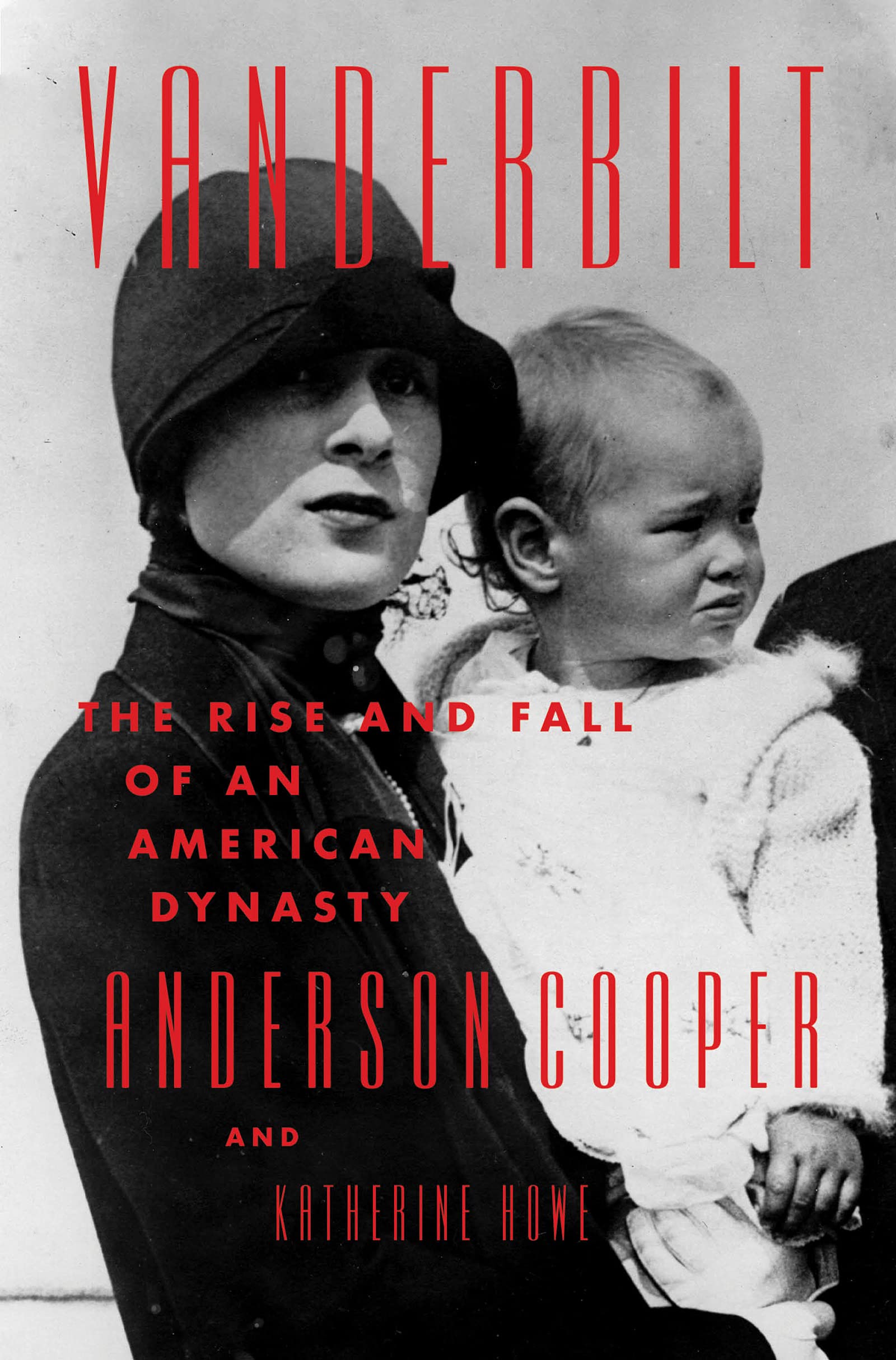
Book cover of Vanderbilt

Vanderbilt Summary

Humanity & Culture

By Anderson Cooper

Harper · September 21, 2021

Summary

Vanderbilt, a remarkable book penned by Anderson Cooper and Katherine Howe, offers a deep-seated exploration of the Vanderbilt family. The Vanderbilts were not just another wealthy family; they were the titans of industry in 19th-century America. Their story is one of rags-to-riches, from Cornelius Vanderbilt's humble beginnings in shipping to the family's expansion into railroads and real estate. As you read, you'll be transported to a time of grand mansions, high-society galas, and cut-throat business deals. The authors skillfully blend historical facts with engaging storytelling, making it easy for readers to understand the complex web of relationships and events within the family. You'll learn about the family's philanthropy, their influence on American culture, and the challenges they faced as they navigated the changing social and economic landscape. It's a tale of ambition, wealth, and the price of fame.

About the Author

Anderson Cooper, a well-known journalist, and Katherine Howe, an author, co-wrote "Vanderbilt". Their writing combines factual details with engaging storytelling, presenting a vivid and immersive account.

Chapters

1

Introduction to the Vanderbilt Family

The Vanderbilt family is one of the most prominent and wealthy families in American history. Their story is a saga of rags-to-riches, power, influence, and opulence. This book delves deep into the lives of the Vanderbilts, from their humble beginnings to their status as titans of industry and society. The family's rise can be traced back to Cornelius Vanderbilt, a shrewd and tenacious entrepreneur. He started with a small ferry business in New York Harbor and gradually expanded his operations. Through a combination of hard work, business acumen, and a willingness to take risks, he built an empire in the shipping and railroad industries. His success laid the foundation for the Vanderbilt fortune that would be passed down through generations.The Vanderbilts' influence extended far beyond business. They played significant roles in shaping American society, from philanthropy to architecture. Their mansions, such as the Biltmore Estate, are not only symbols of their wealth but also important cultural and historical landmarks.


2

The Founding Father: Cornelius Vanderbilt

Cornelius Vanderbilt, also known as "Commodore" Vanderbilt, was the patriarch of the Vanderbilt family. He was born in 1794 on Staten Island, New York, into a family of modest means. At the age of 16, he borrowed $100 from his mother and started a ferry business. He was known for his no-nonsense approach and his ability to outmaneuver his competitors.In the shipping industry, Vanderbilt quickly made a name for himself. He introduced more efficient and reliable services, undercutting his rivals' prices. His success in shipping led him to expand into the railroad business. He acquired and consolidated several railroad lines, creating a vast network that connected major cities in the United States.Vanderbilt's business practices were often controversial. He was accused of monopolistic behavior and using ruthless tactics to eliminate competition. However, his contributions to the development of transportation in the United States cannot be ignored. His railroads played a crucial role in the economic growth of the nation, facilitating the movement of goods and people.Despite his wealth, Vanderbilt was a relatively frugal man. He lived a simple life compared to the opulent lifestyles of his descendants. He believed in the value of hard work and self-reliance, and he instilled these values in his children.

3

The Gilded Age and the Vanderbilt Dynasty

The Gilded Age in America, from the late 19th to the early 20th century, was a time of great economic growth and social change. The Vanderbilt family was at the forefront of this era, using their wealth to build a dynasty that would dominate American society.The Vanderbilts' wealth allowed them to live in a level of luxury that was unprecedented. They built palatial mansions in New York City, Newport, and other locations. These mansions were filled with the finest art, furniture, and decorations from around the world. The Biltmore Estate in North Carolina, built by George Washington Vanderbilt II, is one of the most famous examples. It is a 250-room French Renaissance chateau set on a vast estate, and it showcases the family's love for art and architecture.The Vanderbilts also played an important role in social events. They hosted elaborate parties and balls, attracting the most prominent figures in society. These events were not only a display of their wealth but also a way to network and gain influence.However, the Gilded Age also brought about social and economic inequality. The Vanderbilt family's extreme wealth was in stark contrast to the poverty of many working-class Americans. This led to growing criticism of the wealthy elite, and the Vanderbilts were often at the center of these debates.

4

Philanthropy and Social Impact

The Vanderbilt family was not just about wealth and luxury. They also made significant contributions to society through philanthropy. Cornelius Vanderbilt made a large donation to Central University, which was later renamed Vanderbilt University in his honor. This donation helped to establish the university as a leading educational institution in the United States.Other members of the family also engaged in philanthropy. They supported causes such as education, healthcare, and the arts. For example, the Vanderbilt family donated to hospitals and museums, helping to improve the quality of life in the communities where they lived.In addition to their financial contributions, the Vanderbilts also influenced social change through their actions. They were involved in various social and political causes, using their influence to advocate for issues such as women's rights and labor reforms. Their social status gave them a platform to bring attention to important issues and make a difference in society.

5

Family Dynamics and Succession

The Vanderbilt family was not without its internal conflicts. As the family grew and the wealth was passed down through generations, there were disputes over inheritance and control of the family businesses.One of the most notable succession battles was between Cornelius Vanderbilt's sons, William Henry Vanderbilt and Cornelius Jeremiah Vanderbilt. After Cornelius' death, William Henry took over the family business and continued to expand it. However, there were tensions between the brothers, and this led to a rift within the family.As the family entered the 20th century, the younger generations faced new challenges. The changing economic and social landscape required a different approach to business and wealth management. Some members of the family were able to adapt, while others struggled to maintain their status.The family's wealth also had an impact on the personal lives of its members. The pressure to live up to the family name, along with the expectations of society, often led to stress and unhappiness. Many Vanderbilts faced personal and family problems, such as divorce and mental health issues.

5 more chapters available

Continue listening in the Spickor app — free download on the App Store.

Listen in App

Why Spickor?

At Spickor, we believe knowledge should have no paywalls. Every book summary can be unlocked for free by watching a short ad — or you can choose an ad-free subscription. Unlike other apps, there's no "1 book per day" free limit. Learn at your own pace, on your own terms.

FeatureSpickorBlinkistHeadway
Free accessAll books free via ad unlock1 book/day only1 book/day only
Book library2,200+ across 8 categories9,000+ (non-fiction only)2,000+ (personal growth focus)
Paid subscriptionNo forced subscription; ad-supportedRequired; from $99.99/yrRequired; from $89.99/yr
Audio for all summariesYesPremium onlyPremium only
Novels & fictionYesNoNo
PlatformsiOS (Android & Web in dev)iOS / Android / WebiOS / Android only

All Books, Truly Free

Unlock any book with a short ad. No daily limits, no hidden fees.

Listen for Free

Every summary includes high-quality audio. No "premium only" labels.

Beyond Self-Help

8 categories including business, technology, and novels.

Listen in App
11 m 35 s